Florida man protests Flock cameras by blocking them with signs
Authorities say the protester isn’t violating any laws.

Courtesy of The Flock Blocker/Instagram via Cybernews.

 Follow us
- A Florida protester is blocking Flock license plate cameras with a sign to oppose privacy risks without damaging equipment.
- Police agencies say Flock cameras help solve crimes, find stolen cars, and identify suspects by scanning vehicle license plates.
- Critics warn the system can expose sensitive movements and has reportedly been misused by officers to stalk people.
- As Flock expands into drone cameras, privacy advocates fear faster surveillance growth with weak public oversight.
Key Takeaways by nexos.ai, reviewed by Cybernews staff.
The controversial Flock cameras are already getting mobbed in America. There’s a smarter way to protest against their use, though. In Florida, a man goes up to a different camera each day and holds a sign in front of its lens.
That’s the protester’s chosen method of preventing the Flock cameras from scanning passing vehicles’ license plates. The individual says he wants to draw attention to concerns about privacy and surveillance.
77-year-old Carl Gunn is only holding a sign – it says “Down with Flock” in front of the camera and is not touching, damaging, or interfering with the equipment itself. Authorities say he is not violating the law.
Supporters of the Flock cameras, including law enforcement agencies across the US, say they’re a valuable tool that allows the police to solve crimes, locate stolen cars, or identify suspects.



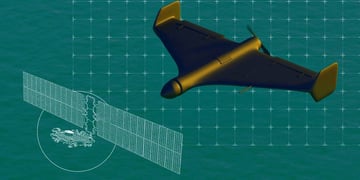

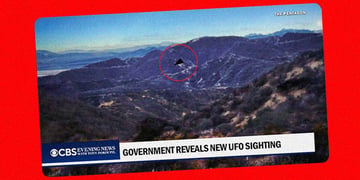
The Flock ALPR system captures every car that comes into its cameras’ view, recording license plate, timestamp, location, and direction of travel, and compares the information against data from law enforcement agencies.
Critics, though, point to a growing number of incidents when the cops were found to have used Flock license plate readers to stalk people, for instance, their exes.
Indeed, knowing the location of an owner’s car can be used to deduce sensitive information such as religious beliefs, personal relationships, doctors’ appointments, and so on. Furthermore, stills captured by the camera can include passersby, and therefore, expose more innocent people.
Other protestors aren’t as innovative as Gunn. Earlier this week, Florida investigators said a 19-year-old spraypainted several Flock cameras in Atlantic Beach, Neptune Beach, and Jacksonville Beach to make them stop operating.
Critics point to a growing number of incidents when the cops were found to have used Flock license plate readers to stalk people, for instance, their exes.
The Guardian recently identified at least 33 incidents when people across 23 US states damaged, vandalized, or destroyed Flock cameras.
There’s probably more to come as the use of the tech spreads. The Lancaster Police Department in the state of New York is planning to start using Flock drone cameras in September, The Lancaster Bee recently reported.
Unlike standard static Flock cameras attached to street poles, these drones will fly over designated areas to provide rapid response capabilities.
The community is unhappy. According to John Scott-Railton, a senior researcher at the University of Toronto's Citizen Lab, Flock wants to outrun oversight and bypass the public. That’s why the company is pushing to deploy its tech as fast as possible.
“The same kind of official who abused Flock poles will abuse Flock drones, especially as the sensors multiply and data gets richer. And the same pressures that lead to petty police misconduct and intimidation will only grow with the ability to buzz a home with a drone,” said Scott-Railton.
“Yes, people feel insecure. And Flock talks about solving crimes, but these things are not binary. Technology can simultaneously help police catch criminals, and represent an intolerable surveillance overreach.”
