"To see a play, you must now pay with your privacy”: backlash over facial recognition expansion in London’s West End
The Met Police is extending its use of static live facial recognition cameras into some of London’s busiest areas, including the West End and Soho, prompting warnings that millions of shoppers and theatre goers could be scanned.
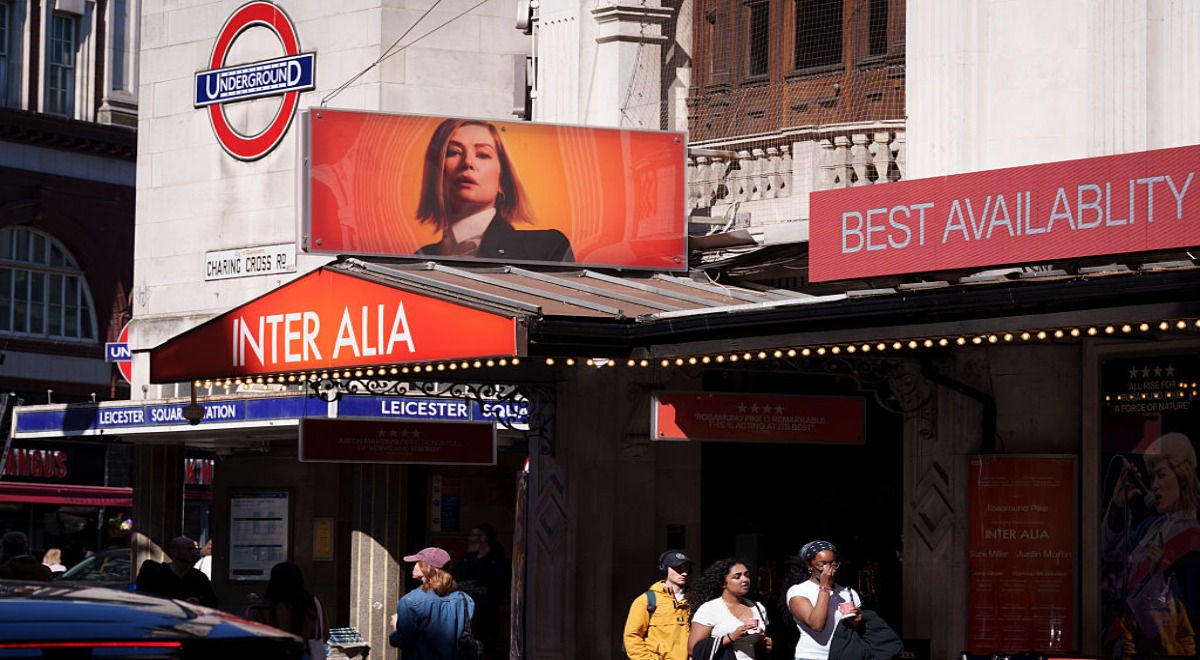
Photo by Richard Baker / In Pictures via Getty Images

 Follow us
The UK’s biggest police force is to expand the use of static live facial recognition (LFR) cameras into some of London's busiest areas, prompting warnings that millions of shoppers and theatre goers could be scanned.
- The Metropolitan Police is expanding static live facial recognition cameras into London’s West End and Soho, with installation expected by Christmas and six more areas planned next year.
- The rollout is controversial because the system scans large numbers of innocent people, raising privacy and civil liberties concerns about what critics call a mass “digital police lineup.”
- Police argue the technology helps catch suspects efficiently, but critics warn about bias, especially racial discrimination, and the broader use of AI-driven surveillance in public spaces.
Key Takeaways by nexos.ai, reviewed by Cybernews staff.
To be scanned, or not scanned, that is the question facing millions of theatre goers and shoppers in the UK’s capital, as LFR critics warned that millions of innocent people risk being subjected to a “digital police lineup.”






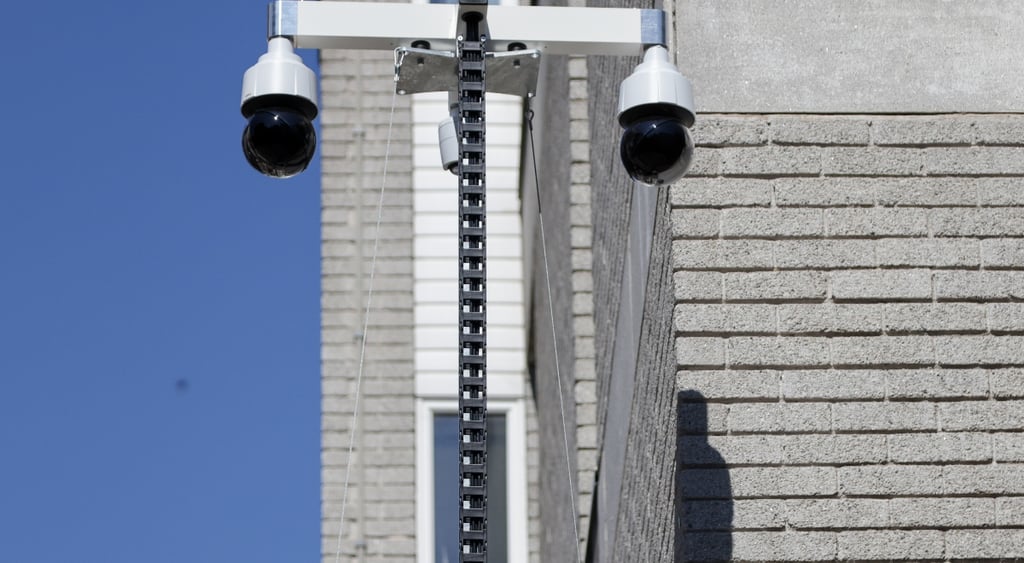
According to reports the cameras – which could be attached to street furniture such as lampposts and street signs – will be installed by Christmas and rolled out in six further areas next year.




LFRs scan the faces of people passing its camera’s lens, and then compares it with a watchlist of wanted suspects. The technology is controversial because it predominantly captures the faces of the innocent when they walk past the system’s cameras.
The algorithm used to power the surveillance system has also been known to contain racial bias and discriminate against Black people.
In March it was reported that a force in Essex had paused the use of LFR technology after a study found cameras were significantly more likely to target black people than people of other ethnicities.
The Met said the use of LFR cameras would be advertised beforehand and added that faces that were not a match for a suspect are deleted from its system nearly instantaneously.
Silkie Carlo, privacy advocate at Big Brother Watch branded cameras “Orwellian,” adding that the move infringed on the privacy of millions of people who would find their face in a police database, albeit on a temporary basis.
"Expanding the use of live facial recognition to static cameras is an alarming escalation of an intrusive technology which has already scanned the faces of millions of innocent Londoners.
“Forcing people to enter a digital police lineup in the capital’s busiest and most popular destinations is an affront to the idea that you should not have to identify yourself to the police if you have done nothing wrong.Silkie Carlo, Big Brother Watch.
“To see a play, you must now pay with your privacy."
Announcing the LFR expansion plans in a speech on Wednesday, Metropolitan Police Commissioner Mark Rowley said the move was necessary because criminals were “already using technology to become more organised, more connected and harder to catch.”
“Right now, policing is trying to keep up using systems that are too slow and too restrictive. If that does not change, we won’t succeed."Metropolitan Police Commissioner Mark Rowley.
The move to install the cameras in central London follows trials of the technology and using vans and a pilot of LFR cameras in Croydon, where the technology was deployed at both ends of the high street.
According to the Met, this led to almost 180 arrests during the six-month pilot. The force says only one person was wrongly identified by LFR out of 470,000 faces scanned, and was allowed to go and was not arrested.
Strong password generator

Rowley added that the force was also using AI-powered video analytics to unlock the vast amounts of CCTV footage captured across London, to “find evidence faster and act earlier.”
Unlock more exclusive Cybernews content on YouTube.