Meta hits pause on tracking employees’ keystrokes after internal leak
Meta has announced it’s pausing the controversial program that tracks employee mouse movements and digital activity for AI training. The tech giant claims it is now investigating data security concerns.
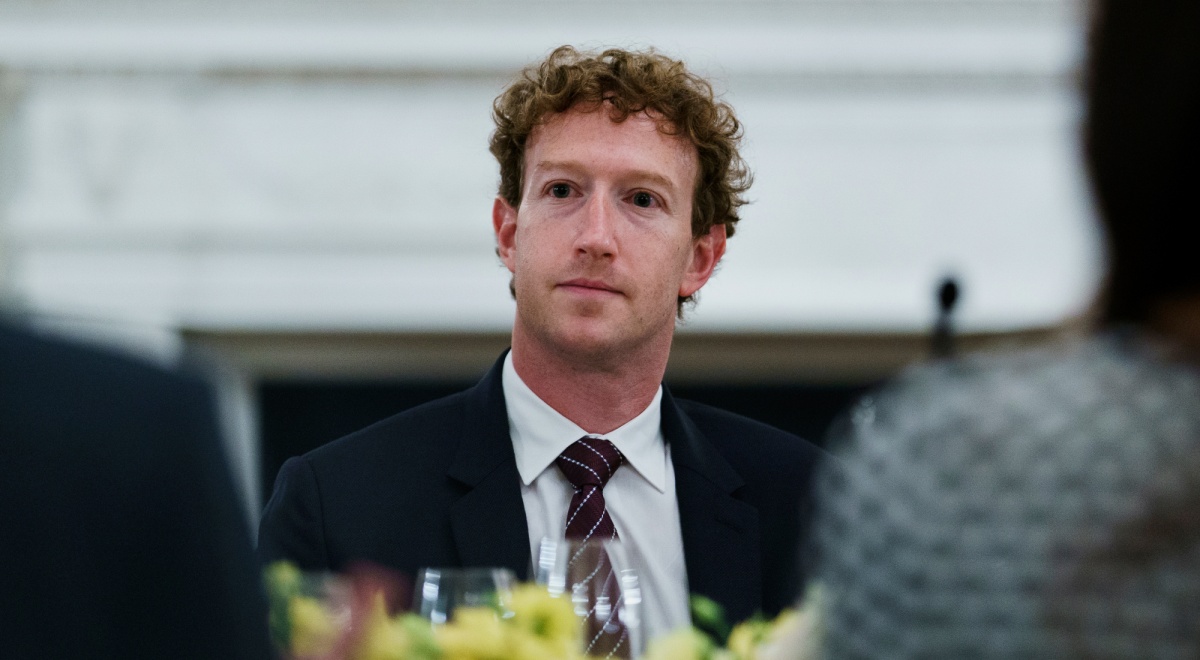
Mark Zuckerberg, chief executive officer of Meta. Will Oliver/EPA/Bloomberg/Getty.

 Follow us
Meta has announced it’s pausing the controversial program that tracks employee mouse movements and digital activity for AI training. The tech giant claims it is now investigating data security concerns.
- Meta has suspended its Model Capability Initiative (MCI), a program that tracked employees’ keystrokes, mouse movements and other digital activity for AI training purposes.
- The pause follows an internal data leak that reportedly exposed private employee conversations, performance information and meeting transcriptions.
- The incident was classified as a SEV 2, a mid-to-high severity level on Meta’s internal scale, and the company says it is investigating.
- Meta says there is currently no evidence that employees improperly accessed the exposed data.
Key Takeaways by nexos.ai, reviewed by Cybernews staff.
The programme, known as the Model Capability Initiative (MCI), was designed to help train Meta’s artificial intelligence models. The company had previously decided to collect detailed workplace activity data, including workers’ typing patterns, cursor movements, and interactions with company systems.
However, screenshots seen by Business Insider reveal that the company has collected more information than it has previously declared it would.
A screenshot showed that an internal leak revealed employees' private conversations, performance data, and transcriptions.






Meta classifies incidents on a scale from 0 to 5, where 5 is the most severe. This leak was classified as a SEV 2.
A Meta spokesperson confirmed the incident to Business Insider, which was the first to report on the event, and said the company has started an investigation.
"We have carefully designed this program with privacy safeguards and while we have no indication at this time that any data was improperly accessed by Meta employees, we're pausing it while we investigate," said company spokesperson Tracy Clayton.
According to Reuters, the tool was still recording as of Monday afternoon.
Cybernews previously reported that the main purpose of mCI was to enhance the company's AI model performance in areas where they struggle to mimic how people interact with computers, such as choosing from dropdown menus and using keyboard shortcuts.
In April, Meta’s CTO Andrew Bosworth claimed the vision for which the company was building was where “agents primarily do the work” and the employee’s role “is to direct, review and help them improve”.
Could the leak have been prevented?
Reuters reported in May that the program was collecting more information than initially described and storing that data in unencrypted form, raising privacy concerns among employees.
The internal documentation showed that an employee commented on the SEV discussion, requesting a deeper investigation of the issues.






"I have accessed both personal tax and medical information through my work computer, as have many thousands of employees. We were told this data would be protected and only used for valid business purposes after aggressive filtering," the employee wrote.
Companies follow in the footsteps of Meta
This week, Canadian lender TD Bank has rolled out software that is also designed to track how employees spend their workday.
That includes time spent on browsers, chat platforms, and meetings. The bank described the system as a “standard practice across the industry”.

According to TD, the new monitoring system is designed to increase productivity and improve resource allocation, rather than act as a surveillance tool.
However, employees raised concerns about how the data will be used in practice, including whether it could influence performance management or restrict ordinary activities like browsing the internet during lunch breaks.
"Can I use the internet during my lunch hour?" and "how much time is a colleague expected to have accounted for during the day?" were among the questions asked by employees.
Unlock more exclusive Cybernews content on YouTube.