“When you watch Netflix, Netflix watches you:” Texas sues streaming giant for spying on kids
The State of Texas filed a lawsuit against Netflix on Monday, accusing the streaming giant of spying on children and adult consumers – and illegally collecting their data without knowledge or consent.

Image by Twin Design | Shutterstock

 Follow us
The State of Texas filed a lawsuit against Netflix on Monday, accusing the streaming giant of spying on children and adult consumers and illegally collecting their data without knowledge or consent.
- When you watch Netflix, Texas says Netflix may be watching back — accusing the streaming giant of secretly tracking kids and adults for years.
- The lawsuit claims Netflix collected “billions of behavioral events,” including rewatches, skips, and device activity, while publicly downplaying its data collection practices.
- Texas also accuses Netflix of designing addictive autoplay features to keep children glued to screens while harvesting even more viewer data.
Key Takeaways by nexos.ai, reviewed by Cybernews staff.
Texas State Attorney General (AG) Ken Paxton announced the lawsuit in a press release on Monday, accusing Netflix of “misleading consumers while exploiting their private data to make billions,” in violation of the Texas Deceptive Trade Practices Act (DTPA).
Texas alleges years of hidden tracking






The tracking and logging of user behavior applies to both adult accounts and kids’ profiles, the lawsuit reveals.
What’s more, Paxton argues that the illegal collection and sharing of sensitive consumer data have been ongoing for years, even though the company’s fine print led users to believe otherwise.
“Netflix quietly built a behavioral-surveillance program of staggering scale.”- Texas State Attorney General Ken Paxton
According to the AG, Netflix uses “intentional engineering,” allowing the global streaming service to “track and log users’ viewing habits, preferences, devices, household networks, application usage, and other sensitive behavioral data.”

The lawsuit alleges Netflix secretly sells that logged data to commercial data brokers and advertising technology companies, who then create extensive profiles of individual users – including children – without their knowledge or permission.
The lawsuit further claims Netflix processes “billions of behavioral events,” including:
- Pauses
- Rewatches
- Skips
- Lingering behavior
- Household device activity
- App interactions
Netflix’s privacy promises under fire
“Netflix quietly built a behavioral-surveillance program of staggering scale,” prosecutors say.
The Netflix lawsuit states that in several shareholder communications dating back to 2019, Netflix co-founder and then co-CEO Reed Hastings promised the public they could “be confident” that any suggestion Netflix might be “moving into selling advertising... is false.”
Making the point to classify Netflix separately from Google, Facebook, and Amazon, Hastings noted that the three companies “are just going to integrate incredible amounts of data about everybody that we won’t and we’re not trying to have access to.”
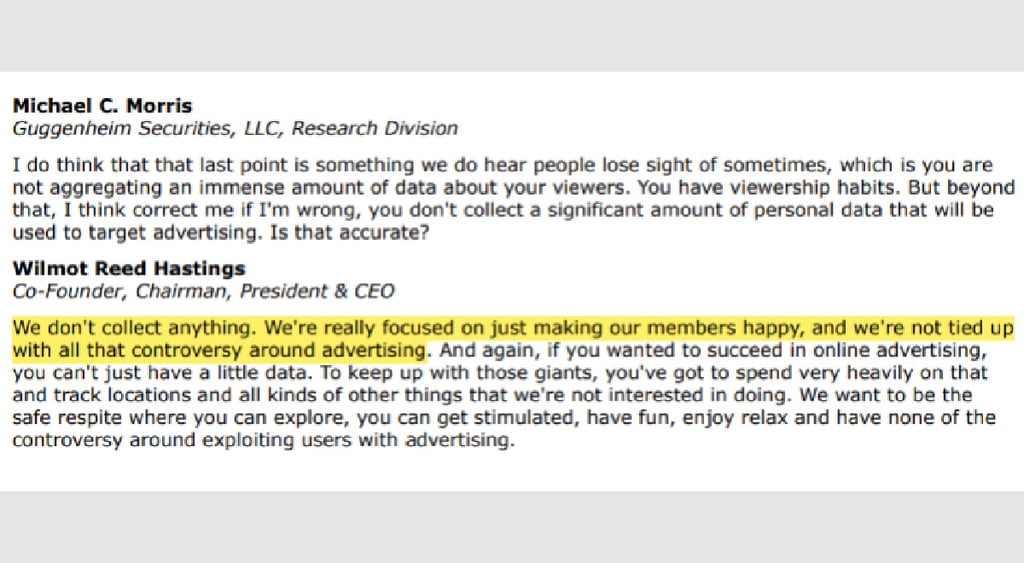
The court documents also cite one instance of Hastings “doubling down” on the subject of Netflix collecting personal data. “We don’t collect anything,” Hastings allegedly said in a 2020 earnings call.
By 2022, when Netflix pivoted to digital advertising, things took a turn, the lawsuit says, accusing Netflix of adopting the same “controversial practices it had always warned were built on harvesting big data to serve the advertiser.”
Designed to manipulate young watchers
Besides illegally collecting and selling customer data, Netflix is also accused of purposefully creating an addictive environment for streaming customers, especially for children under the age of 13.
“Netflix is not the ad-free and kid-friendly platform it claims to be,” Paxton said.
Curious what others think about this story? Contribute your thoughts to the debate below.
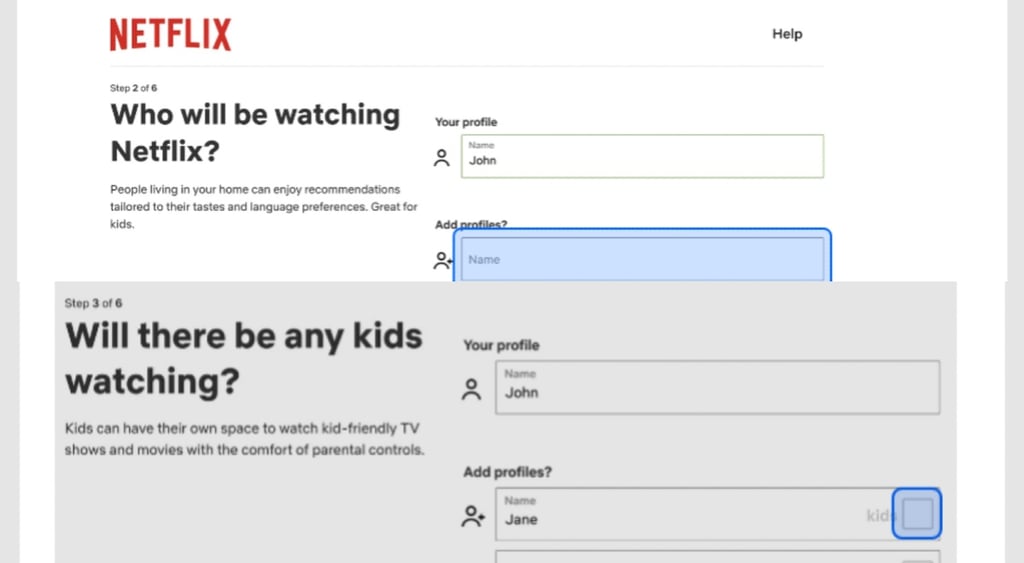
The AG says that Netflix falsely advertised kids' profiles as “specially designed to protect children” leading “droves of Texans” to sign up for the service and “hand their children the remote.”
The lawsuit further claims certain Netflix features “manipulate users,” citing the use of “dark patterns” such as the platform’s autoplay function, which allegedly “creates a continuous stream of content intended to keep users, including children, watching for extended periods of time.”
“This program requires getting Texans and their children glued to the screen and then extracting every possible piece of data about them while they are there,” it said.
In response to Monday’s filing, a Netflix spokesperson said the company plans to address the allegations in court.
“Respectfully to the great state of Texas and Attorney General Paxton, this lawsuit lacks merit and is based on inaccurate and distorted information,” the spokesperson said in a statement reported by Reuters.
“Netflix takes our members’ privacy seriously and complies with privacy and data protection laws everywhere we operate.”






If found guilty of deceptive trade practices, Netflix would be forced to end its current collection and disclosure practices, disable autoplay by default on kids’ profiles, and pay up to $10,000 per violation under the DTPA, along with other civil penalties.
Netflix is said to have a fairly large footprint in Texas, between maintaining physical servers, remote workers, and the “Netflix House Dallas,” one of only two 100,000-square-foot entertainment venues in the country.
Unlock more exclusive Cybernews content on YouTube.