Good news for consumers: NJ bans grocery surveillance pricing
And you can sue businesses that violate the ban.
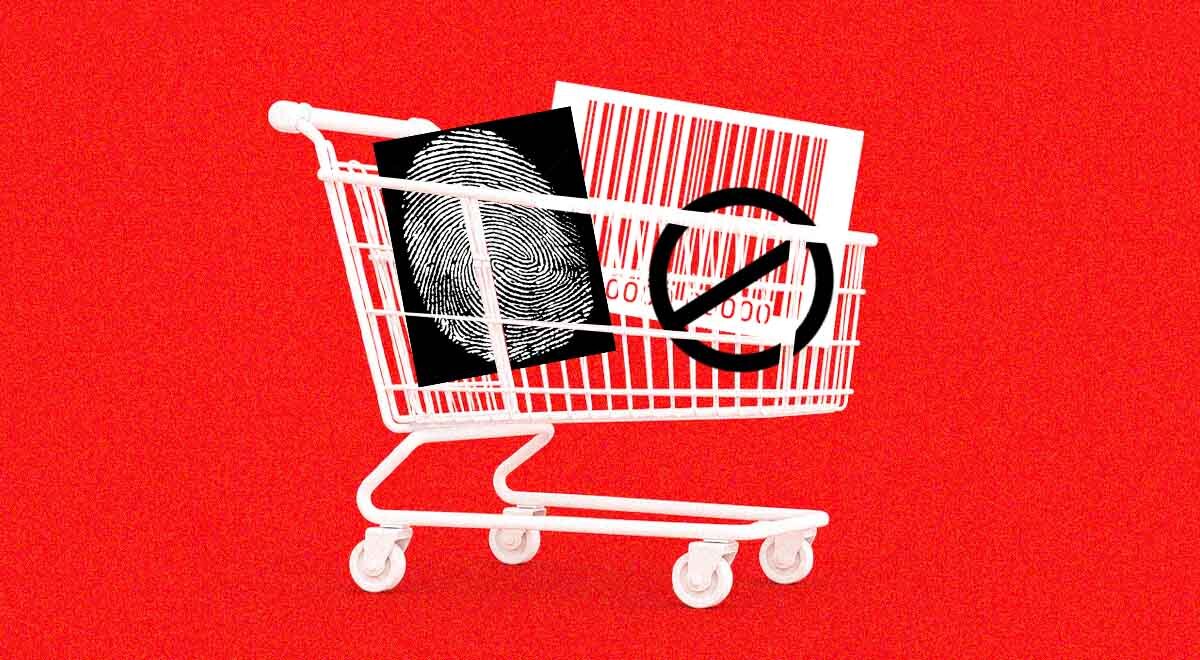
Image by Cybernews.

 Follow us
- New Jersey's Fair Price Protection Act bans grocery stores from using personal data to set individual prices
- Consumers and the attorney general can sue violators, who face fines up to $20,000
- Loyalty programs and coupons remain legal; only AI-driven, data-based surveillance pricing is prohibited
Key Takeaways by nexos.ai, reviewed by Cybernews staff.
Charging different prices for the same basic items based on consumers’ personal data won’t be possible anymore in New Jersey. Surveillance pricing has been banned in the Garden State.
Governor Mikie Sherrill signed the law, called the Fair Price Protection Act, last week, thus making New Jersey one of the first US states to ban the controversial practice.
The law prohibits grocery stores from using shoppers’ digital history, biometric information, or genetic data to tailor prices based on what algorithms predict each customer is willing or able to pay.
This is, of course, discriminatory. Prices can change on demand or during sales, and customers willingly use loyalty discounts – but surveillance pricing estimates the price you’ll pay using your personal data.




Check if your data was exposed
Find out if your email and related personal information have appeared in known data breaches.
“New Jersey families are already feeling the pressure of higher costs. The last thing they need is companies secretly using their personal data to charge them more than someone else for the exact same product,” said Sherrill.
“If businesses want to compete, they should do so by offering better prices, not by finding new ways to squeeze shoppers.”
The law, which takes effect in August 2027, also imposes a one-year pause on electronic shelf labels, which enable such pricing strategies by changing prices instantly.
The state attorney general or consumers will be able to sue businesses that still use surveillance pricing. Grocery stores found liable could be required to issue refunds, lose permits, and face fines of up to $20,000.
In the end, this law will compromise the very cost-saving programs that consumers rely on, particularly during an affordability crisis,Michele Siekerka
Unhappy opponents say the legislation presents a false choice between protecting consumers and improving operational efficiency for grocery stores.
The Fair Price Protection Act “could lead to unintended consequences, such as the end of some loyalty programs, coupons, and customer-specific discounts due to new limits on collecting consumer data,” warns the New Jersey Business & Industry Association.
“In the end, this law will compromise the very cost-saving programs that consumers rely on, particularly during an affordability crisis,” the organization’s President and CEO, Michele Siekerka, said.




Stay updated with our latest stories and follow us on social media
Be the first to discover new stories, ideas, and updates from our team.
“Rather than recognizing the strong consumer protections and unit pricing rules already in place in New Jersey, our policymakers once again sought to go one step further and to make New Jersey businesses the bad guy when most are simply trying to communicate prices in a timelier and more efficient manner.”
Curious what others think about this story? Contribute your thoughts to the debate below.
However, the law explicitly states that it does not apply to discounts, promotions, or customer loyalty programs. In other words, it only targets the use of AI-powered algorithms and the tracking of private data in our everyday shopping.
