Renting a smart apartment? Your landlord may have access to your cameras and locks
In the analog days, arriving at a holiday rental property used to involve awkwardly coordinating key handovers and hoping that the host would answer their phone. All that changed when the digital transformation of everything paved the way for Airbnb and smart home technology.
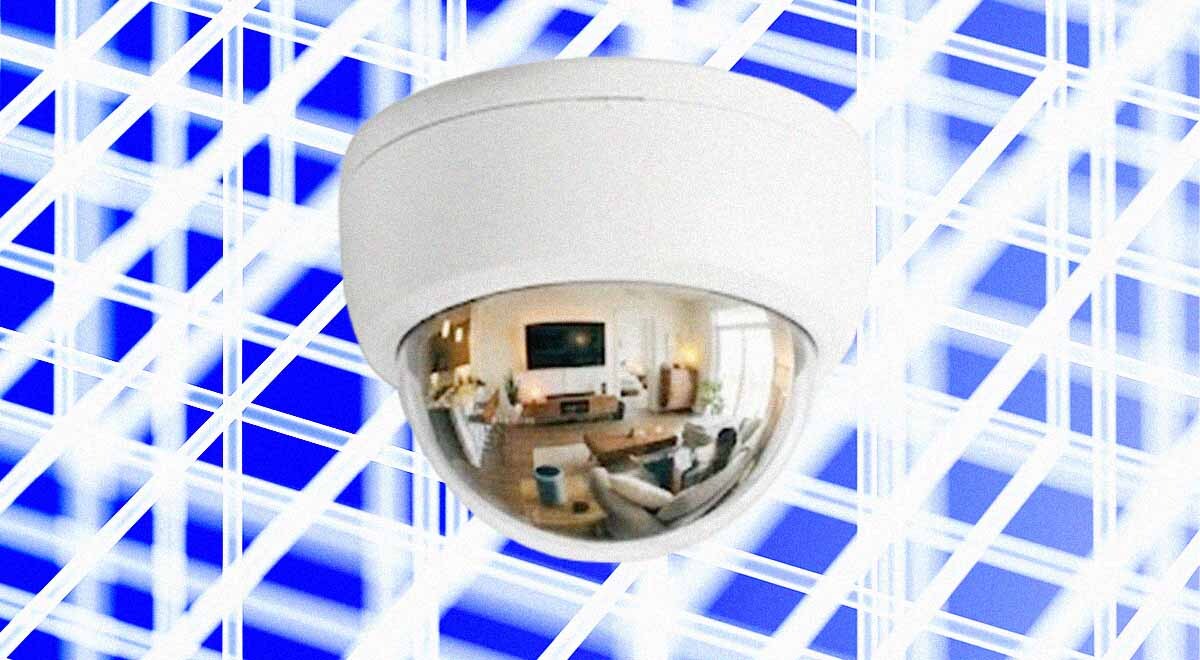
CCTV camera reflecting a smart apartment. Image by Cybernews.

 Follow us
In the analog days, arriving at a holiday rental property used to involve awkwardly coordinating key handovers and hoping that the host would answer their phone. All that changed when the digital transformation of everything paved the way for Airbnb and smart home technology.
- Across the UK, US, and Europe, landlords are fitting apartments with connected devices but face no clear legal requirement to disclose what smart systems are installed or who controls them
- When landlords control smart locks, thermostats, cameras, and other devices, they can remotely monitor occupancy patterns, track arrivals and departures, or even adjust heating and lighting to intimidate tenants.
- The combination of behavioral data from rental properties and AI-powered property management platforms could enable profiling and categorization of tenants with no visibility into what's collected or how it's used.
- Renters need to ask what smart devices are installed, who has admin access, whether data is shared with third parties, if physical keys are available, and whether devices can be disabled or opted out of.
Key Takeaways by nexos.ai, reviewed by Cybernews staff.
From the moment Airbnbs could be unlocked and accessed from a smartphone, everything changed. The late-night stress of a travel dad fumbling around in the dark searching for a key hidden under a flowerpot would soon disappear forever.
What happens to renters' privacy in smart homes?


When smart home technology entered the long-term rental market, privacy-conscious tenants were forced to answer uncomfortable questions.
Who controls the smart home devices? What data are they collecting? Can landlords remotely access locks, monitor occupancy, or track behavior patterns? And perhaps most importantly, are tenants even being told these systems exist in the first place?
Across the UK, the US, and Europe, apartments are increasingly being fitted with connected devices marketed as smart-living upgrades. But there is still no clear requirement for landlords to disclose every smart device installed in a property.






There is obvious appeal to landlords drawn to lower energy bills, predictive maintenance, improved security, and modern conveniences. But privacy advocates warn that some renters could be unknowingly living in environments capable of recording far more information than they realize.
When does convenience become surveillance?
On closer inspection, smart homes are a complex web of contradictions. Sure, smart thermostats can help reduce heating bills, but on the flipside, a smart home can quietly build a picture of occupancy patterns and daily routines.
Smart locks are way more convenient and offer one less thing to carry around. But it also leaves a digital footprint of every arrival and departure.
The same devices designed to create comfort, convenience, and security can also be weaponized against the people living with them. When the landlord is also the admin of smart home devices and connected platforms, they can be used to monitor, intimidate, and control tenants in their homes.
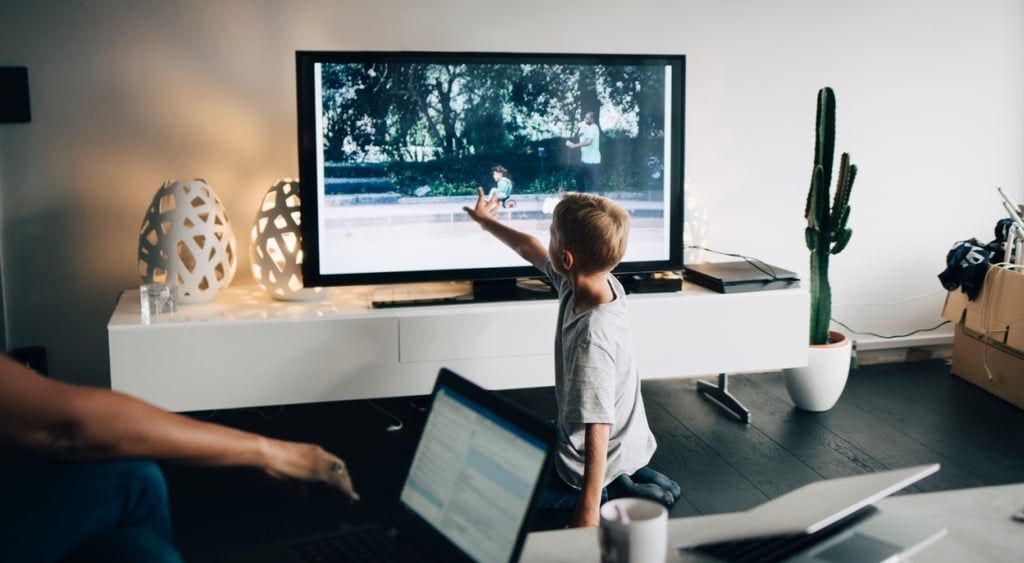
Can you imagine trusting a landlord who has no intent to monitor (listen) to your conversations, using a microphone placed in the corner of a room and/or a hidden camera to record all your actions? In addition, there are many less obvious ways a person can cause problems with smart technology.
With remote access to the heating system, a landlord could adjust the thermostat to create an uncomfortable environment. More mind games could occur by randomly turning the lights on or off to unsettle the tenants.
At face value, each of these individual examples seems minor. However, when combined, they could quickly leave you feeling as paranoid as Gene Hackman in "The Conversation."
The issue is that smart home products have become so integrated into our daily lives that identifying them has become extremely difficult. Many of today's ecosystems allow you to view everything from a single dashboard, including multiple cameras, smart locks, and mobile applications that all share the same account.
In healthy households, this level of connectivity offers convenience. But in abusive situations, perpetrators can remotely intimidate their victims. Some survivors have described feeling as though their smart home had betrayed them.
The Electronic Frontier Foundation warned that smart lock systems can generate "near-perfect" logs of tenant movement and occupancy patterns. In the United States, tenant groups have already challenged landlords over mandatory smart lock systems.
There is also a broader concern emerging around what researchers describe as the "datafication" of renters, especially when combined with AI-powered property management platforms.
The increase in unregulated behavioral data collected from rental properties could quickly turn dark, leaving the door open for profiling, monitoring, and categorizing of tenants who have no knowledge of what information is being collected or how that data could eventually be used against them.
What renters need to know before signing a lease
Smart building technology is already becoming part of housing infrastructure. For renters, the problem is that many tenants have no visibility into what devices are installed, who controls them, what data they collect, or how securely that information is stored.
This is why renters need to start asking harder questions before signing a lease. What smart devices are installed in the property? Who retains administrative access? Can devices be remotely controlled? Is data shared with third-party platforms or vendors? Are physical keys available as a backup? Can devices be disabled or opted out of?
These types of questions might sound excessive and borderline paranoid today. But they could become as normal as asking about utility bills or broadband speeds within the next few years.
Society at large sees surveillance as something that happens in workplaces, on social media platforms, or by governments. But the most intimate form of data collection can occur in homes, where people are supposed to feel safe.
For tenants signing a lease in 2026, one of the most important questions won't be about rent costs, but about how much the property knows about the people living in it.
Unlock more exclusive Cybernews content on YouTube.