Telegram CEO warns against VPNs amid UK social media ban
Why does the CEO of Telegram care about the UK’s under-16 social media ban if Telegram isn’t on the list?
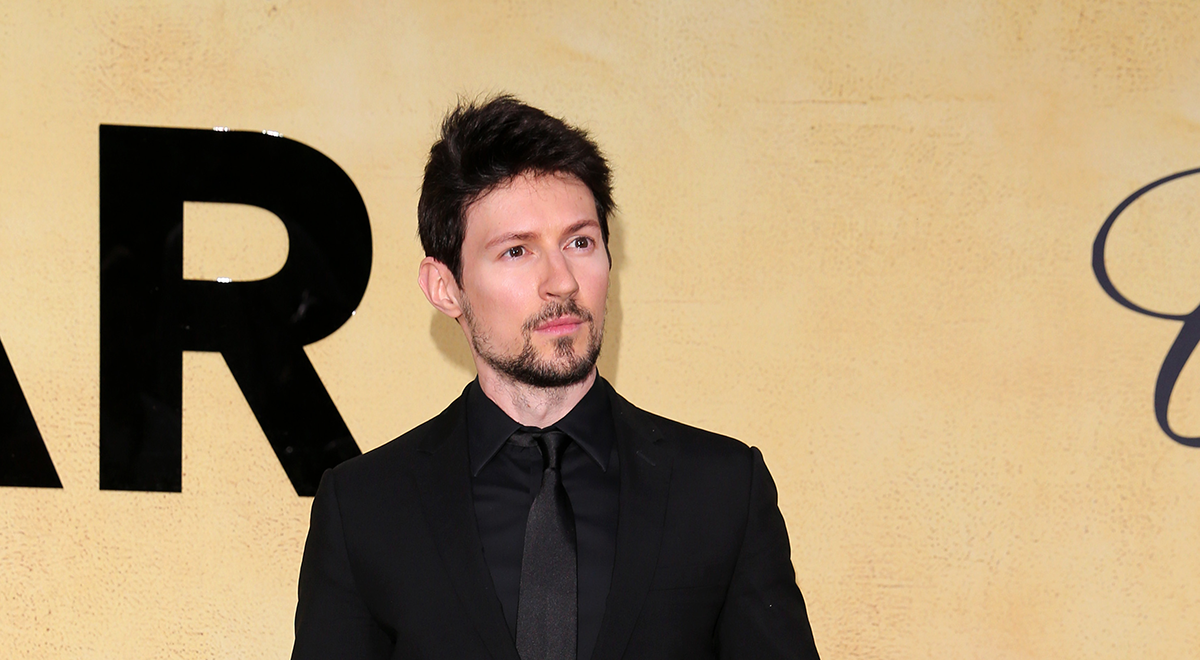
Pavel Durov attends the amfAR Gala Cannes 2025. Photo by Gisela Schober/Getty Images.

 Follow us
Why does the CEO of Telegram care about the UK’s under-16 social media ban if Telegram isn’t on the list?
- Telegram CEO Pavel Durov says the UK’s proposed under-16 social media ban could make teenagers less safe, not more protected.
- His main concern is that teens will bypass restrictions with VPNs, which could expose them to more harmful illegal content and weaken parental or school safety controls.
- The ban could also affect adults because age checks may require people to hand over sensitive data such as ID, biometric details, or payment information.
- Durov argues that broad age-verification systems create privacy and cybersecurity risks for everyone, even if apps like Telegram are not directly included in the ban.
- His criticism reflects a wider fear that online safety rules could expand into stronger digital control, surveillance, and censorship over time.
Key Takeaways by nexos.ai, reviewed by Cybernews staff.
Telegram chief Pavel Durov warns that the UK social media ban will only put teenagers at risk.
The proposed ban will apply to under-16s, blocking the use of popular social media sites like Instagram and TikTok, as well as streaming services like Twitch and Kick.
The UK government also proposed an overnight curfew for under-18s, which would supposedly stop teenagers from doomscrolling.


While the ban won’t affect messaging apps like WhatsApp, Signal, and presumably Telegram, Durov warns the government that young people have and will access alternatives via virtual private networks (VPNs).

“We’ve seen this before. When the Russian government banned Telegram, 95% of Russian teenagers kept using it. They just moved to VPNs,” said the Russian-born tech CEO.
The government has said the ban will set a precedent for future generations, but it is unlikely to address the issue of under-16s who have been brought up online.
The primary concerns raised by Durov center on cybersecurity and public privacy, as the new regulations will affect everyone, not just children.
This is because the UK will require users to show that they’re of age, meaning adults will also have to prove they’re adults by handing over their data.
Whether it’s your ID, biometric data, or your bank card, those who use social media are likely to be affected.
However, the UK government said that many adults won’t need to verify their age if they meet certain criteria.
For example, if they’ve had their accounts for longer than 16 years, if a bank card is attached to their account, or if they have already verified their age through the Online Safety Act.
Durov suggests that this type of data collection is particularly dangerous for UK residents as “thousands…are already being arrested for political posts every year.”

Instead of the UK government regulating social media platforms to protect children, Durov asks, “Is it really about protecting children or identifying more people to arrest?”
While this could sound like the ramblings of a conspiracy theorist, Durov does raise concrete concerns about teenagers' use of VPNs to bypass bans.
VPNs are the key that unlocks what governments are trying to hide
By banning social media, teens who have essentially been brought up online will be “forced to switch to VPNs,” where they can “unlock far worse illegal content,” says Durov.
Whether it’s bypassing bans like these, obscuring your location for cybersecurity reasons, or to unlock content not available in your country, VPNs have various legitimate use cases.
Roughly 21% of children aged 8 to 17 have used a VPN, with most citing privacy as the main reason, according to Childnet and Nominet.
However, a large number (30%) have said that they use VPNs to access content they can’t get in their country.

The number of kids using VPNs in the UK has increased since the Online Safety Act came into effect.
Children have also said they use VPNs to circumvent parental controls, get around WiFi blocks, and avoid safety monitoring.
VPNs let kids access restricted sites blocked by parents and school networks while also accessing pornographic or violent content blocked by the government.
All kids need to do is choose a part of the world that doesn’t have these kinds of regulations.
Why does Durov care?
While it seems strange that Durov would openly criticize the government regarding a ban that may not even affect Telegram, there are a few key reasons why Durov is so vocal about this issue.
The Telegram CEO has been very outspoken about his opinion on free speech and online privacy.
Durov has previously criticized the UK and Australia, accusing them of turning the promise of free information exchange into the “ultimate tool of control.”
“Once-free countries are introducing dystopian measures such as digital IDs (UK), online age checks (Australia), and mass scanning of private messages (EU),” Durov says.
It’s likely that Durov’s criticism of the under-16s social media ban is simply a reflection of his wider principles surrounding privacy and safety.
Durov’s own opinion seems to mirror that of the rival encrypted messaging platform Signal, which slammed the UK for its “dystopian” device scanning proposal.
“Once created, they will be expanded, forming a dangerous tool that will be wielded both in the UK and abroad to censor and surveil whatever they might consider threats or harmful content.”
While Durov’s platform is not immediately impacted, by establishing this framework, the UK can and likely will move the goal posts when it comes to regulating platforms it once deemed safe.






Unlock more exclusive Cybernews content on YouTube.