Best satellite communicators in 2026

When you travel beyond cell coverage, staying connected becomes a safety issue rather than a convenience. Whether you’re hiking in remote terrain, sailing offshore, or working in isolated areas, satellite communicators provide a reliable way to send messages, share your location and call for help when nothing else works.
To build this guide, I worked with the Cybernews research team to evaluate widely available satellite communicators based on real-world priorities – global coverage, emergency reliability, messaging options, battery performance and overall usability. The goal is to highlight devices that make sense for different types of travelers and outdoor users, without relying on marketing claims.
Shortlist of the best satellite communicators
Choosing the right satellite communicator matters because it can determine how reliably you can communicate, navigate and request emergency assistance in remote environments. Here is a selection of the best satellite communicators that stand out for coverage, reliability and practical features.
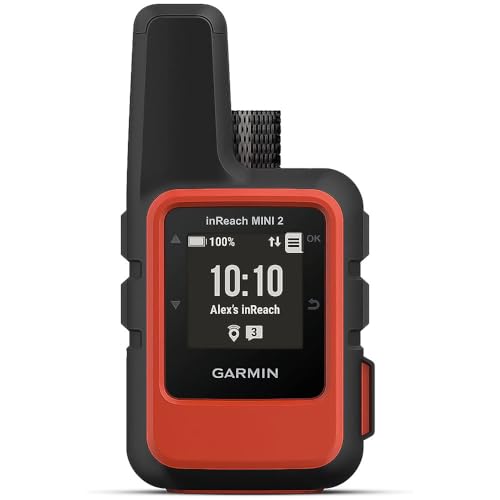
- Garmin inReach Mini 2 – best overall satellite communicator for most users
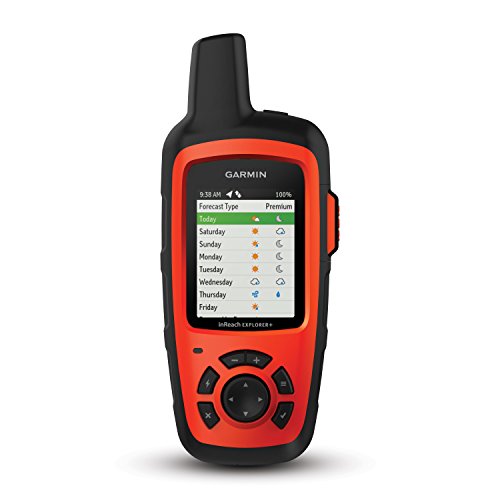
- Garmin inReach Explorer+ – best satellite communicator with built-in navigation
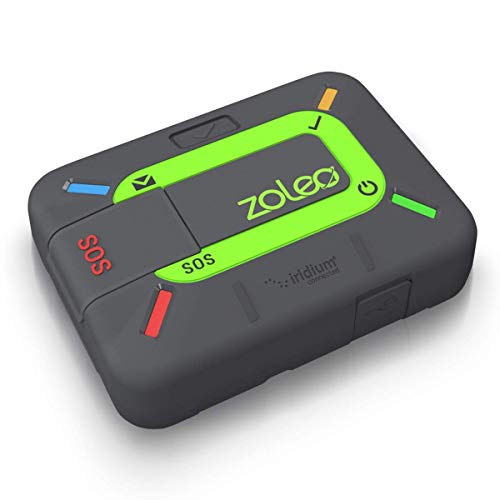
- ZOLEO Satellite Communicator – best value satellite communicator for messaging
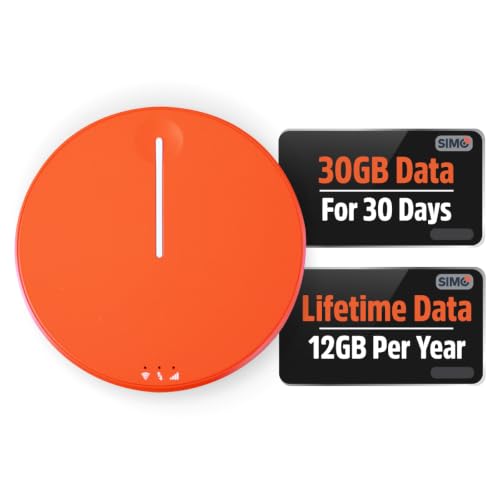
- SIMO Solis Hero 4G – best compact option for travelers
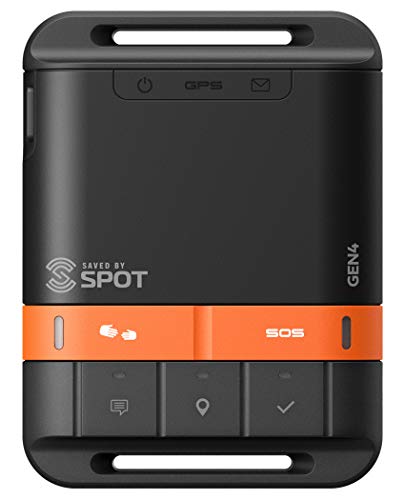
- SPOT Gen4 – best basic satellite communicator for tracking and SOS
Satellite communicator comparison table
To make it easier to compare key differences at a glance, the comparison focuses on buyer-relevant specifications such as satellite network coverage, messaging capabilities, and battery performance rather than headline marketing numbers.
|
|
|
|
|
|
| Title | Garmin inReach Mini 2, Lightweight and Compact Satellite Communicator | Garmin inReach Explorer+ | ZOLEO Satellite Communicator | SIMO Solis Hero 4G | SPOT Gen4 |
| Price | $324.00 $399.99 -19% | $469.99 | $149.00 | $179.99 | $98.70 |
| Battery life | Up to 14 days | Up to 30 days | Up to 7 days | Up to 10 days | Up to 10 days |
| Best for | All-around use | Navigation-focused trips | Budget messaging | Lightweight travel | Tracking-only needs |
| More info | Buy on Amazon Details | Buy on Amazon Details | Buy on Amazon Details | Buy on Amazon Details | Buy on Amazon Details |
Best satellite communicators – detailed list
Below, I break down each satellite communicator in more detail, focusing on who it’s best for, how it performs in real-world use and what limitations to keep in mind.
1. Garmin inReach Mini 2 – best overall satellite communicator
The inReach Mini 2 is designed for users who want maximum safety in a minimal form factor. It’s small and lightweight, yet it offers reliable two-way messaging and SOS functionality through the Iridium satellite network.
It works especially well for hikers, climbers and solo travelers who want dependable communication without carrying bulky gear. While it relies on a companion app for typing messages, the trade-off is excellent portability and strong battery efficiency.
2. Garmin inReach Explorer+ – best with built-in navigation
The inReach Explorer+ combines satellite communication with built-in GPS navigation. It’s aimed at users who want mapping, route tracking and messaging in a single device.
For longer expeditions, the larger size is offset by excellent battery life and on-device navigation tools. It’s a strong option for overland travel, sailing and multi-day trips where phones may not be practical.
3. ZOLEO Satellite Communicator – best value for messaging
The ZOLEO communicator focuses on simple, reliable messaging rather than advanced navigation. It pairs with a smartphone app and automatically switches between cellular, Wi-Fi and satellite networks.
This makes it a practical choice for travelers who spend time both in and out of coverage, as well as for users who want predictable costs and straightforward operation.
4. SIMO Solis Hero 4G – best compact option for travelers
The SIMO Solis Hero 4G is a compact portable hotspot designed for travelers who need dependable internet access without dealing with local SIM cards or contracts. Using a virtual multi-carrier network, it automatically connects to the strongest available signal in each location, making it convenient for international travel.
Its lightweight design and long battery life make it easy to carry on day trips, business travel, or extended journeys. While it doesn’t offer satellite-based SOS features, it’s a practical choice for travelers who prioritize simple, always-on connectivity for navigation, messaging, and online access on the go.
5. SPOT Gen4 – best basic satellite communicator
The SPOT Gen4 is a simpler satellite communicator designed mainly for tracking and SOS alerts. Unlike other options on this list, it does not support two-way messaging, which keeps its operation focused and straightforward.
It’s best for users who want basic safety features at a lower cost and don’t need message replies or navigation tools. This makes it a practical choice for those who prioritize emergency signaling and location tracking over regular communication.
How we choose the best satellite communicators
To evaluate satellite communicators fairly, I worked with the Cybernews research team to focus on criteria that directly affect safety and usability in remote environments:
- Coverage and reliability (35%). Global satellite network reach and connection stability, with particular attention to how consistently a device maintains connection in challenging terrain and remote regions.
- Emergency features (25%). SOS responsiveness and monitoring services, including how quickly alerts are routed to emergency response centers and how clearly location data is transmitted.
- Messaging capabilities (20%). Two-way vs one-way communication and ease of use, focusing on how practical it is to send and receive messages under real-world conditions.
- Battery life (10%). Performance during multi-day trips, including how well devices conserve power when tracking and messaging features are used regularly.
- Value for money (10%). Device cost and subscription flexibility, weighing upfront pricing against ongoing plan costs and included features
These factors help identify devices that remain dependable when communication truly matters.
What is a satellite communicator?
A satellite communicator is a device that connects to satellites instead of cellular networks, allowing you to send messages, share your location and request emergency help from remote areas. Unlike smartphones, it does not rely on nearby cell towers, which makes it reliable in places where traditional mobile service is unavailable.
They’re commonly used by hikers, sailors, pilots and professionals who operate far beyond traditional coverage zones. In these situations, a satellite communicator often serves as a critical safety tool rather than a convenience device.
Satellite communicator vs satellite phone: what’s the difference?
Satellite communicators focus on messaging, tracking and SOS features, while satellite phones allow full voice calls. Because of this narrower focus, communicators are typically smaller, lighter and more affordable, which makes them easier to carry on long hikes, climbs and extended trips where weight and battery efficiency matter.
Satellite phones, by contrast, are better suited to situations where real-time voice communication is essential. Satellite communicators don’t replace phones, but they excel as safety tools, providing reliable emergency communication, location sharing and basic coordination when traditional networks are unavailable.
Who should use a satellite communicator?
Satellite communicators are ideal for people who regularly spend time outside reliable cellular coverage and need a dependable way to stay connected.
They are especially useful for:
- Outdoor adventurers traveling off-grid, where cell service is unreliable or nonexistent
- Solo hikers and climbers who need an added layer of safety in remote terrain
- Boaters and sailors operating far from shore or outside coastal coverage zones
- Remote workers and field professionals working in isolated or undeveloped areas
For these users, having a reliable emergency connection can be critical. In many cases, a satellite communicator serves as a backup lifeline, providing reassurance and practical safety support when traditional communication methods fail.
How to choose the best satellite communicator
When choosing a satellite communicator, consider network coverage first, as this determines where the device will reliably function. Iridium offers near-global coverage, making it a safer choice for international travel and truly remote regions, while other satellite networks may have geographic gaps that limit usability in certain areas.
Battery life, messaging type and subscription plans also play a major role in day-to-day use. Devices that rely on smartphones offer flexibility and easier typing, while standalone units are more self-contained and may be more dependable in situations where phones run out of power or fail.
Final word on the best satellite communicators
For most users, Garmin inReach Mini 2 offers the best balance of coverage, portability and safety features. That said, the right choice depends on how you travel, how long you’re off-grid, and whether messaging or navigation matters more.
Matching the device to your specific use case is the best way to ensure reliable communication when it counts. Factors like trip duration, typical terrain, messaging needs, and how often you’ll be outside cellular coverage all influence which model makes the most sense. Taking the time to align features with real-world conditions helps avoid overpaying for unnecessary tools or underestimating critical safety needs.
FAQ
Do satellite communicators work everywhere?
Yes, satellite communicators work in most remote areas, but coverage depends on the satellite network used.
Do I need a subscription for a satellite communicator?
Yes, most satellite communicators require a subscription, as satellite messaging and SOS services rely on paid networks.
Can satellite communicators replace phones?
No, satellite communicators don’t fully replace phones, but they provide essential communication when cellular networks are unavailable.
Are satellite communicators worth it?
Yes, satellite communicators are worth it for safety, especially if you travel or work far from reliable cellular coverage.