Samsung expands its TV ambitions at CES 2026 with new OLEDs, Micro RGB and massive screens


Samsung’s TV announcements at CES 2026 aren’t about radical redesigns. Instead, the company is refining how people actually use their TVs at home – tackling glare, screen size limits, color accuracy and motion handling across its 2026 lineup.
From upgraded OLEDs to expanded Micro RGB screens and massive Neo QLEDs, Samsung is pushing improvements that are meant to be visible in everyday viewing, not just on spec sheets.
-
Samsung targets real-world viewing issues, focusing on glare reduction, brighter panels, and better color accuracy.
-
OLED improvements trickle down, with glare-free displays now available on mid-range models.
-
Micro RGB expands to smaller sizes, bringing more precise color control to home setups.
-
Neo QLED goes bigger, with new 100-inch options aimed at mainstream buyers.
-
AI features work in the background, improving picture and sound without constant manual tuning.
New OLED TVs aim to fix glare and color limitations
Samsung’s 2026 OLED lineup is led by the new S95H, which continues to build on quantum dot-enhanced OLED technology. For viewers, this means higher brightness and more vivid colors, especially in rooms that aren’t perfectly dark.
The glare-free display finish returns this year, and it matters more than it sounds. Reflections from lamps or windows are one of the biggest complaints OLED owners have, and Samsung’s matte-style coating is designed to reduce those distractions during daytime viewing.
The mid-range S90H brings that same glare-free treatment to a more affordable tier. That change alone makes Samsung’s OLED lineup more practical for living rooms, not just home theaters. Select models will also use QD-OLED panels, which should translate to stronger color performance in brighter scenes.

Micro RGB TVs bring studio-level color closer to home
Micro RGB is Samsung’s most forward-looking TV tech at CES 2026. Previously limited to enormous, ultra-expensive displays, Samsung is now introducing Micro RGB TVs in sizes starting at 55 inches.
For viewers, Micro RGB promises more precise color control because each primary color is handled separately at the backlight level. In practical terms, that can mean more realistic skin tones, better shadow detail and improved contrast in complex scenes.
These TVs are also the first to support HDR10+ Advanced, Samsung’s latest HDR format, which adapts brightness and color on a scene-by-scene basis. Combined with a glare-free screen and upgraded AI processing, the goal is to deliver consistent picture quality regardless of lighting conditions or content type.
Neo QLED targets people who want bigger screens without OLED prices
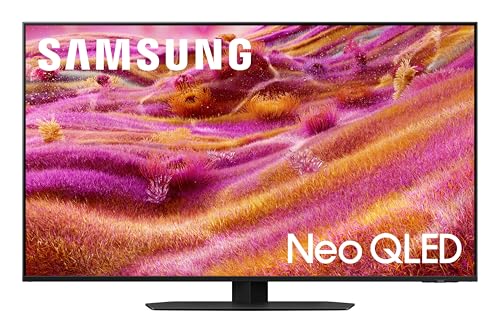
Samsung is also expanding its Neo QLED lineup with a clear message: big screens are no longer niche. The 2026 QN80H and QN70H models will be available in 100-inch sizes, making ultra-large TVs more accessible to mainstream buyers.
Neo QLED uses Mini-LED backlighting, which helps control brightness and contrast across large panels. For viewers, this means fewer blooming artifacts, better HDR performance and strong brightness for sports and live TV.
Smaller sizes will still be available, but CES 2026 makes it clear that Samsung sees demand growing for wall-filling screens that don’t require custom installations.
AI features focus on watching, not tweaking settings
Samsung continues to expand Vision AI across its 2026 TVs, but the emphasis this year is automation rather than customization. New features like AI Sound Controller adjust audio levels in real time, helping dialogue stand out without constant volume changes.
AI Motion Enhancer Pro is designed to improve clarity during fast-moving scenes, which is especially useful for sports, action movies and gaming. On Micro RGB TVs, Samsung adds a dedicated AI engine that analyzes each frame to fine-tune color and brightness.
The common theme is convenience. These features are meant to work quietly in the background, reducing the need for manual picture or sound adjustments.
Live from CES 2026
What Samsung’s CES 2026 TVs mean for buyers
Samsung’s CES 2026 TV lineup isn’t chasing gimmicks. Instead, it addresses practical pain points: glare in bright rooms, limits on screen size, inconsistent color and uneven motion handling.
For buyers, the changes mean more choice at different price levels, larger screen options without extreme installation costs and TVs that adapt better to real-world viewing conditions.