Aadhaar, up close: a digital ID system in India, that can still trip people up
The Aadhaar ID system was first introduced in India in 2010 and has since become a big part of everyday life, with over a billion people using it. However, not everything is as rosy as it seems.

Image by Cybernews

 Follow us
The Aadhaar ID system was first introduced in India in 2010 and has since become a big part of everyday life, with over a billion people using it. However, not everything is as rosy as it seems.
Designed to make everyday tasks easier, Aadhaar can do anything from opening a bank account to helping shopkeepers manage queues. At a higher level, it promotes efficiency by cutting through bureaucracy in matters like distributing government subsidies.
However, there are reported cracks in the system regarding equality and security, as Aadhaar tricks the population into adhering to ultra-state vigilance.
Cybernews spoke to Abhishek Mathur, a cybersecurity researcher specializing in Google Infrastructure, to cast light on matters.
Falling through the cracks



One of the main issues with the Aadhaar system is when your bag containing your phone gets stolen. This was the case for one unlettered labourer, who, months later, could not get a new card, as reported by The Guardian.
And if you don't remember your number, then you’re cast out like all the other underprivileged, amidst reports of misspelled tribal names, excluding those in remote areas.
Not everyone in a country of almost 1.5 billion people is savvy enough to click in and authenticate their way into public spaces.
Mathur explains that something as simple as an address change can become a bureaucratic nightmare.
“Having the energy, free time, and literacy to take advantage of digital ID systems like Aadhaar is still a luxury for many, including low-income citizens,” he says.
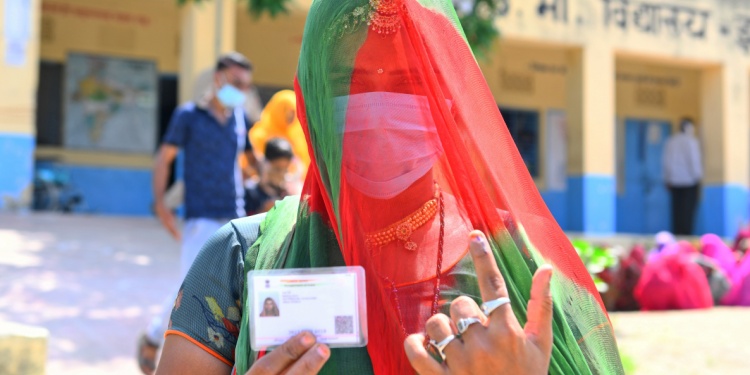
Roughly 60% of the population depends on food rations, bound by Aadhar. This means that irregular internet connections or the malfunction of a fingerprint scanner could leave a citizen without food. The same could be applied to securing a seat for a child in the classroom, with potential deprivation of education just a technical glitch away.
One giant database is one giant target
Presuming everyone is digitally literate, the speed of a transaction can be as convenient as getting a coffee from a vending machine, provided it's in service.
When the entire system is tied to biometric ID, speeding up everyday processes means a centralization of the data of the entire populace.
Mandatory integrations manifest as digital chokepoints for the select few.
“Digital ID systems, when they become the only way to authenticate your identity, often deny basic services to the needy,” Mathur says.
Instead of employing a one-size-fits-all system for society, Mathur suggests “multiple ways of authentication, with at least one biometric option available,” and free access through SMS or IVR channels for those without connectivity.

Data breaches on a mass scale
Another ominous threat would be data breaches. In 2018, the details of over a billion Indians were leaked and put up for sale for around $8. With Aadhaar's database being the largest biometric one in the world, there’s a lot at stake.
The danger lies in the permanence, explains Mathur: “You can change most of the things about yourself, but not biometric data, which is not revocable.”
So, if a threat actor wanted to hack into a bank account or register for a SIM in their name, they could do so from any remote location, even if the victim is living abroad.
Biometrics don’t even change across countries – therefore, a leak of anybody’s fingerprint data in India can be used against them even when they migrate and settle down in other places, like, let’s say, Japan......Mathur explained.
Lack of fluidity
Such a towering biometric infrastructure was always bound to have hitches, but considering it’s been in usage for around 15 years now, perhaps it’s time for better oversight, rollouts, and integration. According to Mathur, the lack of fluidity isn’t limited to India.
“The current system of global digital ID systems, especially Aadhar, is very grim. First, the system should be architected well and not changed too much with revisions, as people find it difficult to keep track of them and stay updated with them every now and then,” he says.
So, as Keir Starmer exchanges ideas with Narendra Modi, to potentially introduce something very similar by 2029, surely he’ll be learning from India’s mistakes.
Perhaps a discourse with the public would be a better method of rollout, rather than making it almost impossible to avoid.
“A gradual rollout is something I personally would suggest, with opinions and even voting on the digital ID systems to see public sentiment, opinion, and most importantly, their concerns, as the digital ID should be for citizens first and last and not for the government at all,” Mathur concludes.






Unlock more exclusive Cybernews content on YouTube.