Hackers exploit GTA VI hype to spread info-stealing malware
GTA VI scam uses ClickFix trick to steal passwords and crypto data.

An ad for the GTA VI. Photo by Alexander Bogatyrev/SOPA Images/LightRocket via Getty Images

 Follow us
- Hackers use a fake GTA VI Windows streaming client because Rockstar has not released a PC version.
- The site tricks visitors into running a PowerShell command that installs malware.
- The malware can steal passwords, browser cookies, tokens, API keys, screenshots, and crypto wallet data.
- Bitdefender says affected users should disconnect, scan for malware, and change passwords from a clean device.
Key Takeaways by nexos.ai, reviewed by Cybernews staff.
Hackers are exploiting the hype around Rockstar Games’ latest release, GTA VI, to distribute info-stealing malware through a fake Windows streaming client.
According to security researchers at Bitdefender, a malicious website called gta6cloud[.]com uses a ClickFix attack to trick visitors into executing a PowerShell command that ultimately installs malware on their systems.
A ClickFix attack is a type of cyberattack that tricks victims into executing a malicious command on their computers. In other words, it relies on social engineering rather than a software vulnerability to compromise a device.
Rockstar Games hasn’t released an official PC version of GTA VI. To work around this, the attackers advertise their software as a streaming client that lets users play the game on an Xbox or PlayStation console.
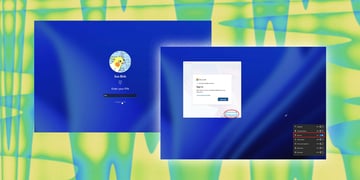

The website offers two installation methods: downloading a ZIP archive named GTA6Cloud.exe or manually executing a PowerShell command via Windows’ Run dialog (Win+R).
According to Bitdefender’s research, the command bypasses PowerShell’s execution policy, downloads a script from the malicious website, runs it, and eventually fetches and launches the fake executable.
Security researchers found multiple ways to evade detection. The executable, disguised as a GTA VI launcher, plays the GTA VI trailer and displays a game-themed decoy page while secretly downloading two additional files. These files are placed in a hidden folder on the computer.


Stay updated with our latest stories and follow us on social media
Be the first to discover new stories, ideas, and updates from our team.
The attackers then abuse a legitimate Windows executable, unlodctr.exe, through DLL side-loading. By placing a malicious DLL alongside the executable, they can execute their payload while leveraging a trusted Windows process.
The malware contains another payload: a Rust-based information stealer capable of harvesting a wide range of sensitive data, including browser credentials, cookies, authentication tokens, AI service credentials, developer API keys, and data from Steam, Discord, and cryptocurrency wallets.
The payload can also access clipboard data and take screenshots.
Anyone who ran the command should assume their computer is compromised. Bitdefender advises disconnecting it from the internet, scanning for malware, and changing important passwords from a clean device, starting with email.
Even before the official launch of GTA VI, we’ve seen our share of scams exploiting the game’s hype. For example, we’ve seen fake copies of the game flooding the internet through SEO poisoning.
We’ve also seen a fake GTA VI PC build that contains malware.