I took this $1,300 exoskeleton to turn myself into a cyborg with good knees
The setup is not for the weak.
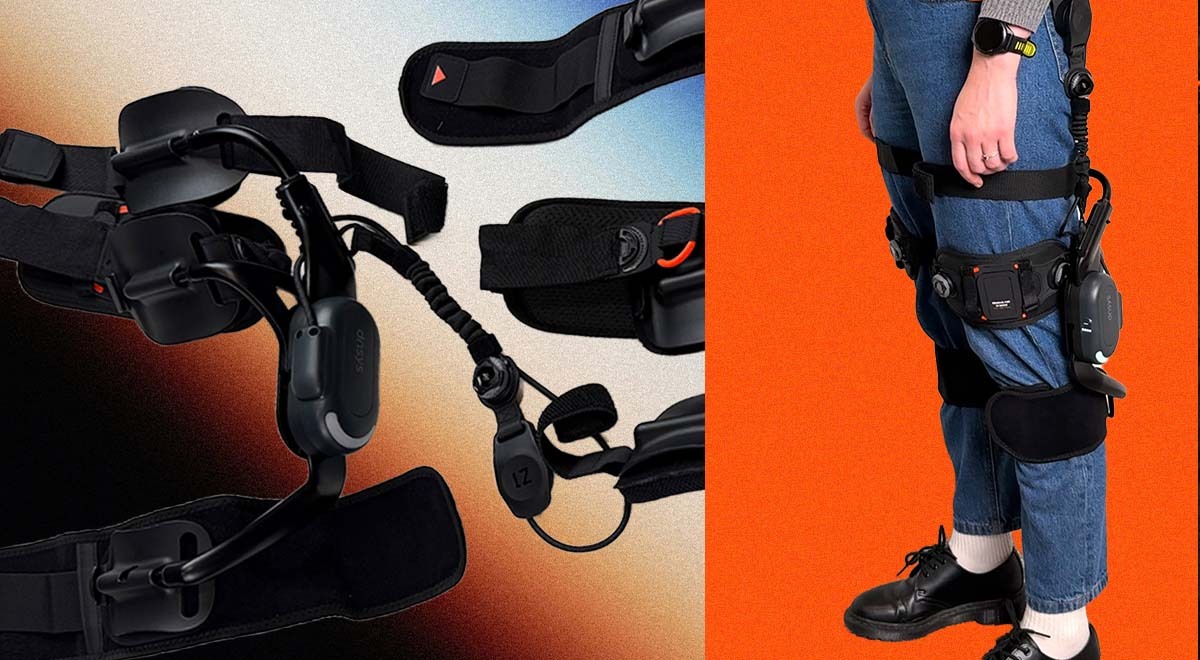
Image by Cybernews

 Follow us
- The $1,300 Dnsys Z1 exoskeleton gives noticeable knee support when squatting, sitting, and climbing stairs.
- Setup takes time at first, but the device becomes easier to use after practice.
- Dnsys says the Z1 is an outdoor mobility aid, not a device for treating medical conditions.
Key Takeaways by nexos.ai, reviewed by Cybernews staff.
While the Dnsys Z1 exoskeleton makes you look like you’re from the future, it was designed to support your knees and enhance mobility. Does it live up to its hype?
The first time I got to try out an exoskeleton was last year during the Consumer Electronics Show (CES). While skeptical, I was interested in how it works and whether it actually helps.
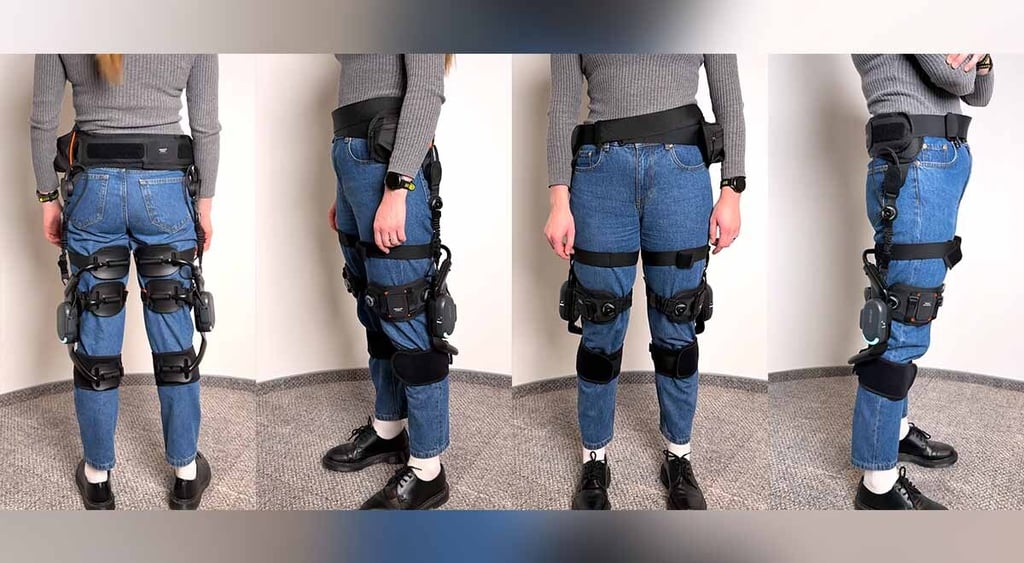
So, I had some idea of what to expect from the Dnsys Z1 exoskeleton, which focuses on supporting the knees.
I’m at a point where I’m healthy enough and haven’t suffered serious traumas that would stop me from living life to the fullest.






But as someone who enjoys hiking and running, I can sympathize with people who want an active lifestyle but are limited by health issues or injuries.
Upon my research of these devices, I noticed that many online users were interested in exoskeletons as a way to stay active without putting pressure on their knees.
While these discussions included more questions than answers, I decided to turn myself into a cyborg and see if the device is worth it.
Setting up Dnsys Z1 exoskeleton
Trying out an exoskeleton is fun. What’s less fun is trying to put it all together for the first time.
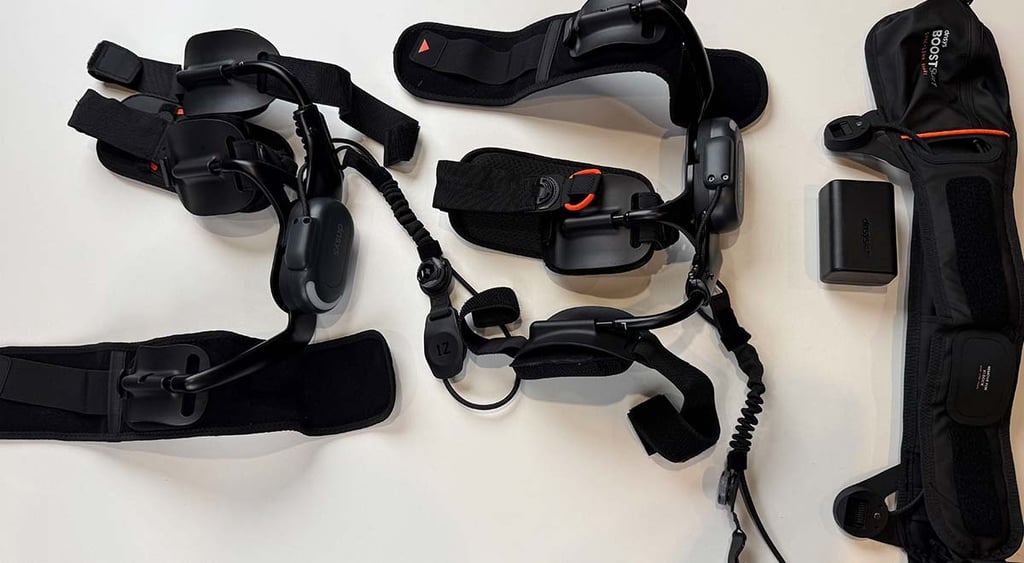
The $1,300 device comes in a package that includes a belt, the main body (left and right knees), a battery, and additional accessories, such as a charging adapter.
It took me a while to set the whole thing up, as it requires precision during assembly to ensure it works at its full potential.
But once I got the gist of it, I was able not only to put the exoskeleton on myself but also to show my colleagues how to put it on themselves, too.
Despite the exoskeleton already being for sale, the company is continually reviewing and updating the hardware and its app.
I noticed after trying to figure out whether I was using the device to its full potential that there are 2 versions of the exoskeleton: Aero and Versa (the model I tried).
The spokesperson for Dnsys shared with Cybernews that the Versa version is “designed to be easier to put on and take off, and accommodates a wider range of body types and weights.”
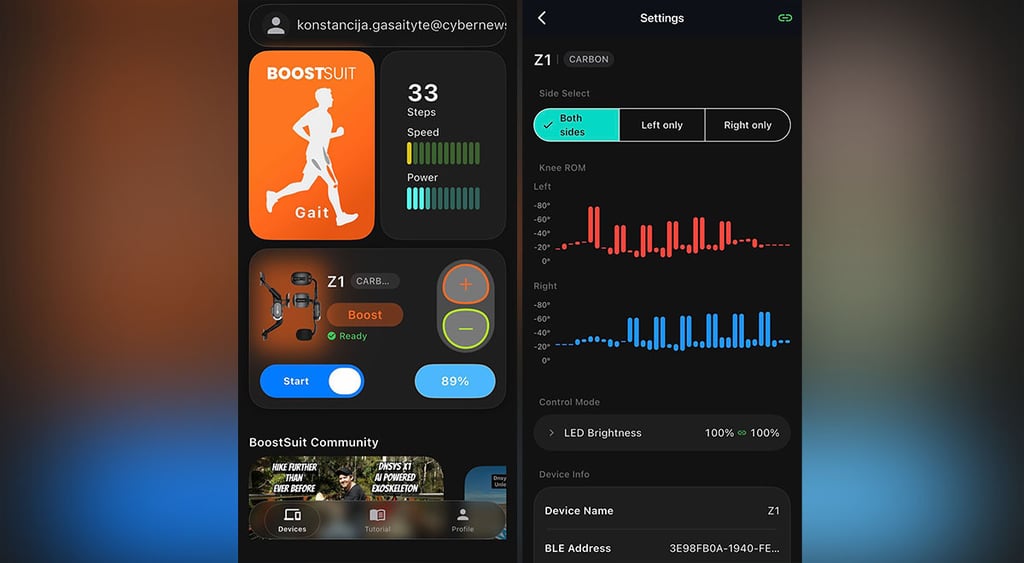
The device also has the Dnsys BoostSuit app, where you can find a tutorial on how to put it on, select your movement mode, and see other device insights.
The exoskeleton includes a button on each knee side, but it can also be controlled via the app.
The application suggests that the exoskeleton can assist during hiking (walking), cycling, and even skiing.
Dnsys Z1 includes 4 different modes: Eco, Sport, Boost, and Boost+. Each mode provides you with a different level of knee support.
The app also shows how many steps were taken and how much power was used. For quick control, I preferred to adjust the mode using the device's built-in buttons.
First impressions of Dnsys Z1 exoskeleton
One important device specification is its battery life, which depends on “terrain, conditions, and the device’s assistance mode.” When it comes to numbers, the device is supposed to last 15 km per unit, or around 3 to 4 hours of continuous use.
I actually didn’t end up using the device for so long. While the device can be packed into a compact case and easily carried, I was afraid it wouldn’t last me a whole day, leaving me with the choice of either carrying it in the case or wearing it without any support.
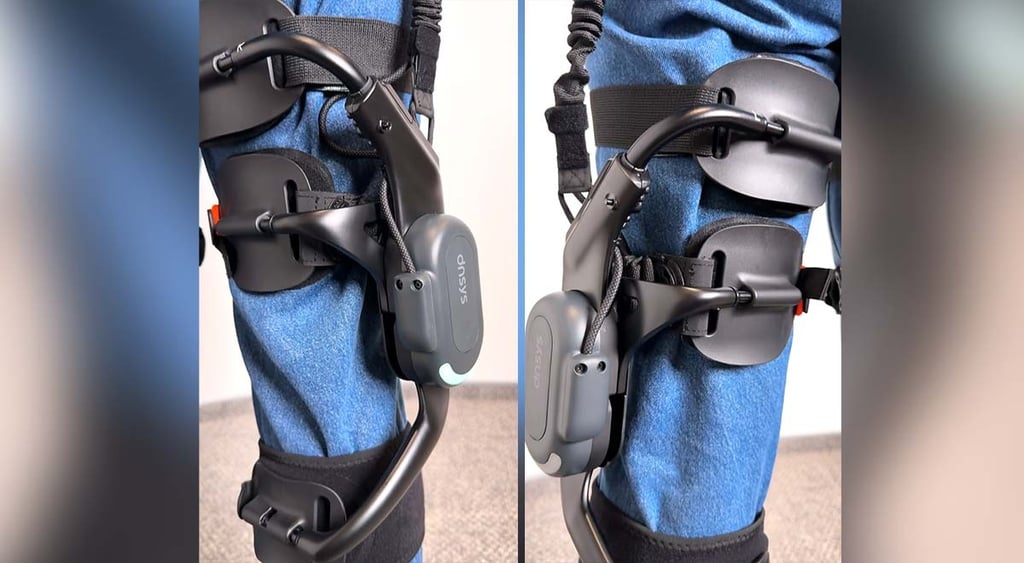
One side of the Z1 exoskeleton weighs about 680g (1.5 lbs), so the whole unit is more than 1,300g (3 lbs). So after wearing it for a bit, I noticed that while it did take pressure off my knees, I felt quite tired afterward.
I also noticed that I kept needing to tighten the belt and straps every time I moved more or was jumping, not sure whether that was because of my build or what I was wearing (perhaps some materials are looser or more slippery).
Dnsys Z1 exoskeleton: Is it a medical device?
While looking into the device, I learned that many users online were interested in how it works for people with injuries or other health-related problems.
The company emphasizes that Dnsys Z1 is a “consumer mobility and outdoor assistance aid rather than a tool for treating, curing, or rehabilitating medical conditions.”
But I do get why it could be a great alternative for those facing certain limitations who still want to move around, as the device provides noticeable assistance to the knees, especially when squatting, sitting down, or climbing stairs.



Stay updated with our latest stories and follow us on social media
Be the first to discover new stories, ideas, and updates from our team.
Dnsys Z1 exoskeleton: Is it worth it?
The Dnsys Z1 exoskeleton isn’t your average device. Despite its hefty price tag, it gets the job done for knee support.
I found the device a bit too heavy to wear for long periods, and would have liked its belt and straps to feel more secure. Nevertheless, given that the company keeps updating the device by issuing new hardware and software versions, I believe this will be addressed in future upgrades.
As a physically active person who isn’t limited by trauma or injuries, I wouldn’t use the device for long-distance hikes and outings, but given that it can help reduce discomfort from health-related issues, I would count on it to make my movement easier.
Pros and cons of Dnsys Z1 exoskeleton
- Provides support to the knees
- Easy to use after initial setup
- Compact to carry (comes with a case)
- Relatively pricy
- The belt and straps shift after moving more
- Starts to feel heavy after wearing it for longer