Social media ID verification used to track dissidents, Dutch minister warns
“The effect on freedom of expression is chilling.”
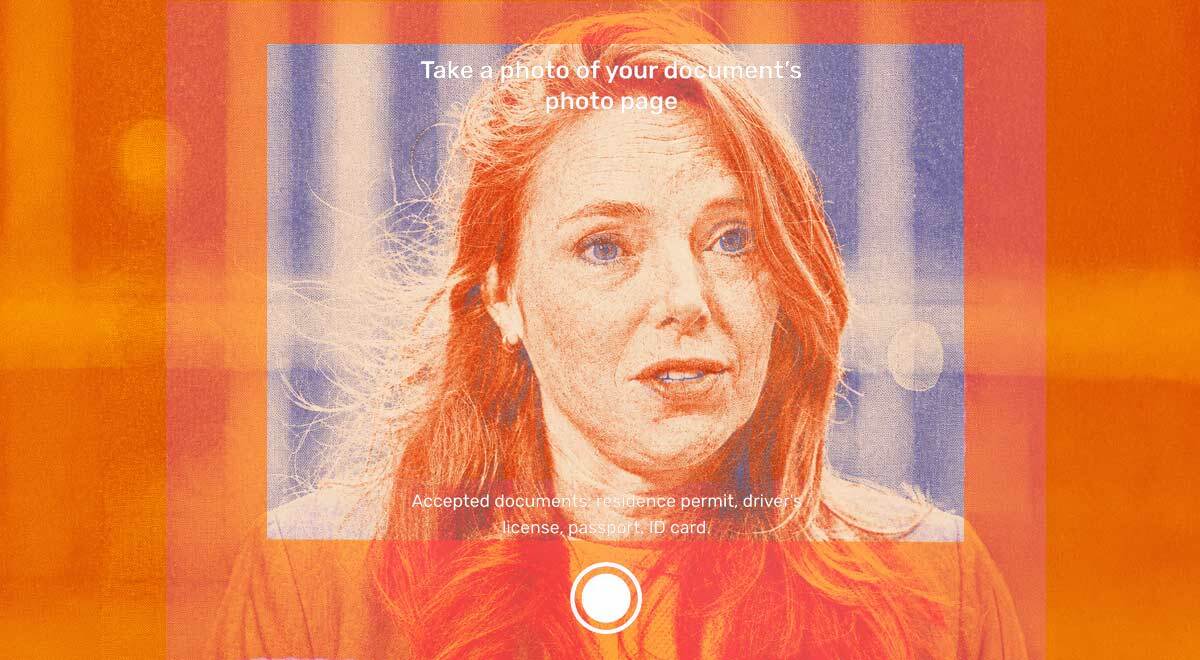
Image by Cybernews

 Follow us
- Dutch state secretary Willemijn Aerdts warned social media ID checks could help track dissidents and curb free speech.
- The proposed KYC model would let platforms privately store users’ identity records to block repeat offenders.
- Aerdts cited privacy and data theft risks, while supporters say users would not have to show real names publicly.
- South Korea’s repealed real-name system shows ID mandates can chill political speech without clearly reducing online abuse.
Key Takeaways by nexos.ai, reviewed by Cybernews staff.
A Dutch cabinet member has warned that social media ID mandates are being used to track dissidents in other countries.
As the Dutch government is debating whether social media platforms could be legally required to verify the real-world identities of their users using the proposed “Know Your Customer” (KYC) model, there is opposition within the cabinet.
Willemijn Aerdts, a state secretary for the digital economy and digital sovereignty, appointed to the cabinet in February 2026, has objected to the proposal, citing risks of data theft and intrusion of privacy, according to Tech Times.
Speaking at a joint session of the parliamentary standing committees on Digital Affairs and Home Affairs, Aerdts emphasized the international precedent for how identity mandates function in practice.




“We have seen in other countries that these kinds of tools are also used to track down dissidents, and thus could damage freedom of expression,” Aerdts told the committee's members.
This, she added, has had a “chilling effect” on freedom of speech on social networks.




Stay updated with our latest stories and follow us on social media
Be the first to discover new stories, ideas, and updates from our team.
“Then people stop using it because they know they can be found, and then they no longer dare to share their opinion,” Aerdts is quoted by Tech Times.
The KYC method, often used by financial institutions and businesses, allows them to collect clients’ or users’ personal information, including names and IDs, and store it encrypted.
Tijs van den Brink of the Christian Democratic Appeal, the author of the proposal, told the committees that the method wouldn’t require users to be publicly identified by their real names.
Instead, the platforms would privately retain identity records and use them permanently, thereby preventing malicious users from creating new accounts in the future.
South Korea tried and failed
However, South Korea is a clear example of how linking real identities to social media accounts can fail, even if it has the noble goal of combating malicious anonymous comments.
Back in 2007, the Seoul government enacted the “internet real-name system,” requiring social media platforms to verify the real identities of users to allow them to post.
The Constitutional Court of South Korea, however, repealed the law in August 2012, citing “the chilling effect on political speech” and the law's lack of effectiveness in combating online toxicity.
The Court said that preserving anonymity, which allows people to voice criticism freely, is more important than the unproven benefits of ID verification, Tech Times reports.
Human rights organizations repeatedly criticized China for its real-name registration system imposed in 2012, accusing Beijing of censorship.
US-owned platforms, such as LinkedIn and X, offer optional ID verification, which provides users with a special “verified” badge. Privacy experts, however, warn that this may result in sensitive data being exposed or shared with third parties.
Growing calls for social media age verification
While the Netherlands is considering requiring social media platforms to verify users’ real identities, France has just become the first European country to enact a social media age-verification requirement to prevent children under 15 from accessing the platforms.
The ban will affect popular social media platforms, such as Facebook, Snapchat, TikTok, and YouTube, which will have to impose age-verification systems approved by France’s privacy regulator.
Australia passed a similar ban for those under the age of 16 in December 2025. However, data suggests that most teenagers are still on social networks.