SpaceX faces setback as EU reserves key satellite spectrum for local players
Europe is planning to reserve most of its prized mobile satellite spectrum for local operators, which could put Starlink’s owner, SpaceX, and other US players at a disadvantage while boosting the EU’s efforts to build satellite connectivity across the region.

Image by David Swanson | Reuters

 Follow us
Europe is planning to reserve most of its prized mobile satellite spectrum for local operators, which could put Starlink’s owner, SpaceX, and other US players at a disadvantage while boosting the EU’s efforts to build satellite connectivity across the region.
- Europe wants to reserve most key satellite spectrum for EU operators and IRIS².
- That could put SpaceX and other US companies at a disadvantage in Europe.
- The move supports the EU’s push for secure, independent satellite connectivity.
The proposals would establish a new licensing framework that reserves two-thirds of available spectrum for Europe: half for EU-based commercial operators and another third for government, security, and defense services tied to the bloc’s IRIS² satellite program.






The frequencies in question sit in the highly desirable 2GHz band, regarded as prime real estate for the next generation of satellite services.



They can be used to connect satellites directly to smartphones, support emergency communications during network outages, and extend connectivity to remote areas that are difficult for traditional mobile services to reach.

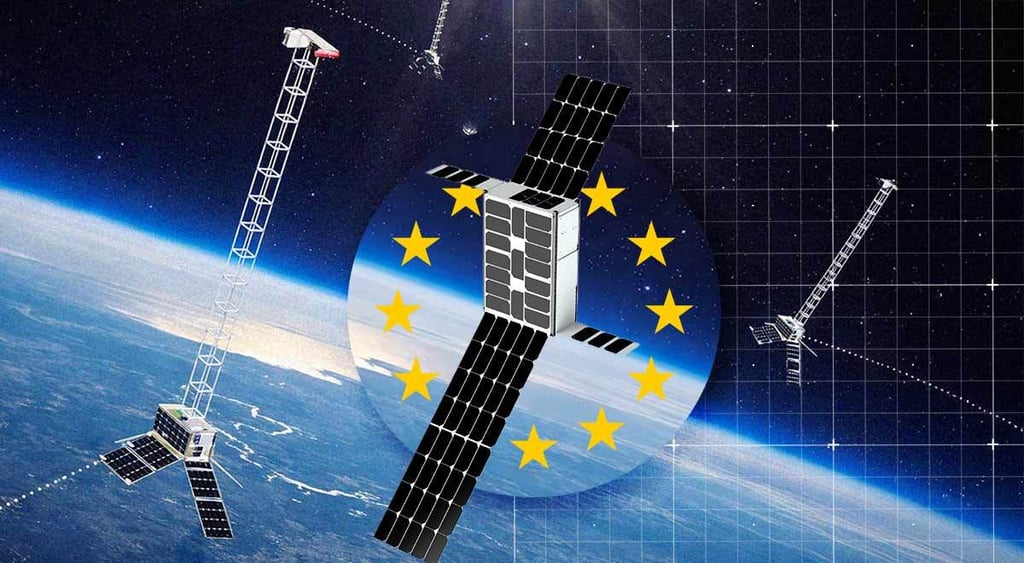
The EU’s proposal would also bolster IRIS², the EU’s flagship satellite program and a cornerstone of its digital sovereignty ambitions.
EU move puts US in “structurally weaker” position
The multi-orbit network is intended to provide secure communications for governments, defense, and critical infrastructure while helping Europe build home-grown alternatives to services currently dominated by US operators.
"We want to boost Europe's competitiveness. We want to strengthen Europe's security. We want to embrace new technological possibilities. And all of this by taking into account the current changing geopolitical context," EU tech chief Henna Virkkunen said at a press conference on Wednesday.
Strong password generator

While non-EU operators would still be able to compete for part of the spectrum, analysts say the proposals could leave Elon Musk's SpaceX, in a structurally weaker position than European rivals in what is shaping up to be one of tech’s important growth markets.
"We want to boost Europe's competitiveness."EU tech chief Henna Virkkunen
"It is a small positive for European telecom operators as it further reduces the odds of SpaceX ever being able to compete head-to-head with wireless carriers in the EU,” BNP Paribas analyst Sam McHugh warned in a note to clients.
According to a Reuters report, the move is a compromise after it was reported that at least one commissioner wanted to exclude US operators from the auction altogether.