Tesla deathtrap doors spark promise of new rules
Petitions are based on a number of incidents, some of which proved fatal.
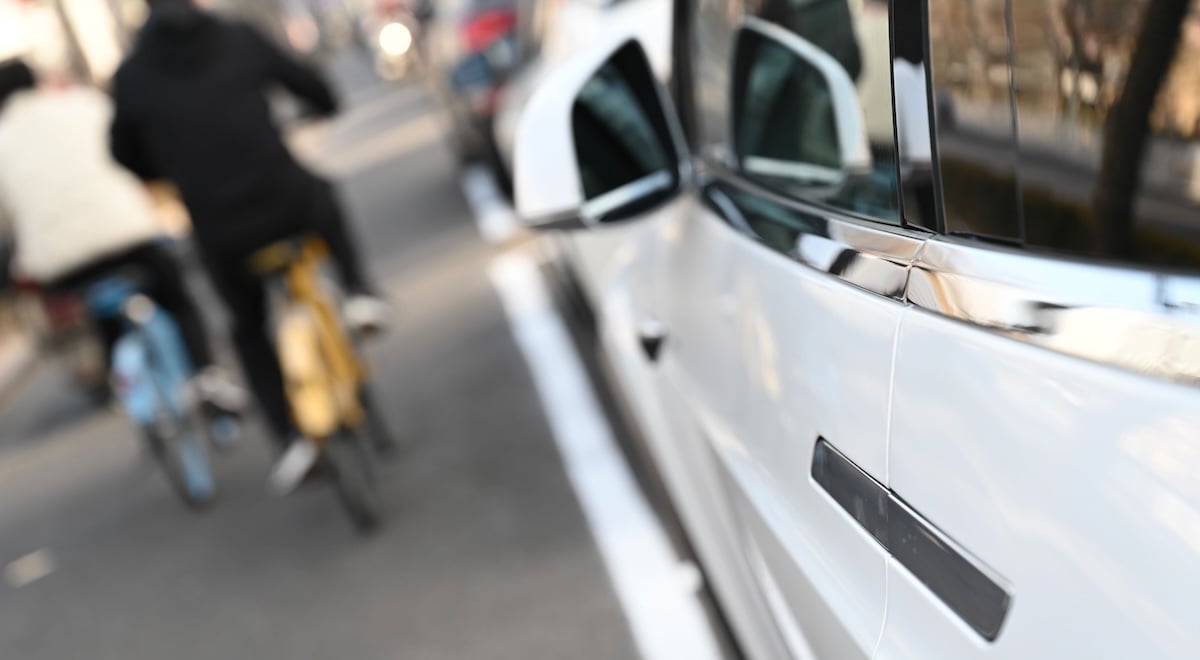
Image by Getty/picture alliance.

 Follow us
- NHTSA may create new safety rules for flush, motorized door handles after concerns about emergency exits.
- The agency denied a Tesla-focused petition but accepted a broader request for clearer door-release standards in all vehicles.
- NHTSA said hidden or hard-to-find releases can trap occupants after crashes, fires, or power failures.
- The issue could affect automakers broadly, but any new rule may take years and face industry resistance.
Key Takeaways by nexos.ai, reviewed by Cybernews staff.
The National Highway Traffic Safety Administration (NHTSA) might develop new rules to safeguard passengers and drivers when using vehicles with flush, motorized handles, like those on Teslas.
This announcement comes after a 2025 petition requesting that the agency investigate whether Tesla complies with federal motor vehicle standards.
While NHTSA’s investigations office concludes that a further investigation is unlikely to yield new findings, the agency suggests that this concern could be better addressed by changing existing rules or creating new safety regulations.
The petition, which was later denied, was filed by a Silicon Valley engineer, Kevin Cloud, who asked the NHTSA to “open a safety defect investigation into the emergency mechanical door release design in the [sic] MY 2022 Tesla Model 3,” according to the NHTSA.






Cloud said that the Tesla “fails to comply with FMVSS 206, requiring emergency egress controls to be readily accessible and clearly identifiable.”
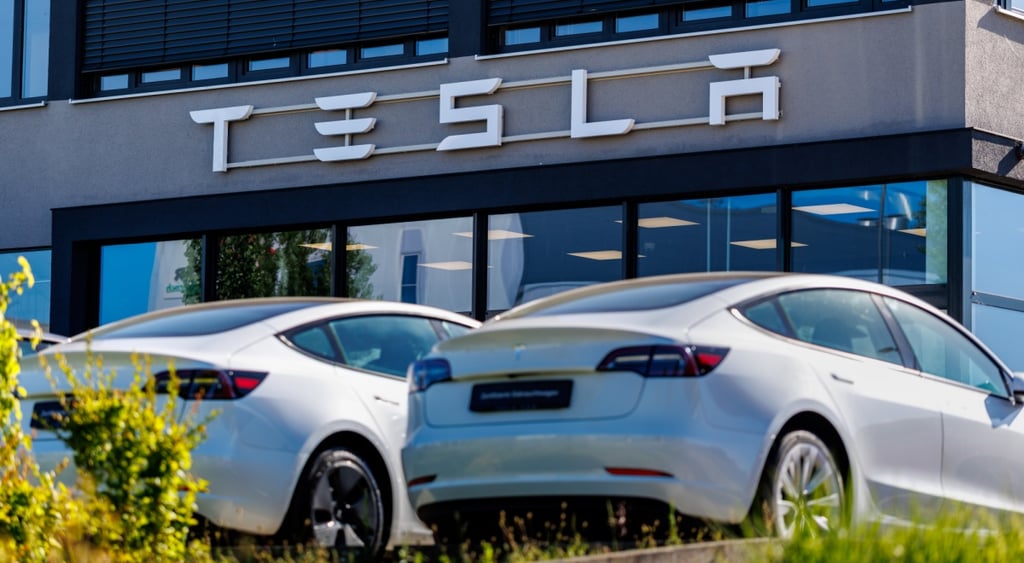
The agency acknowledges that a car with this design “creates a risk to safety” when the electric door handles don’t work due to power loss or when the design is less obvious.
“A concealed or hard-to-locate door release could prevent an operator or occupant from exiting the vehicle in the event of an emergency, such as a crash or fire.”
Which could “result in a severe injury or death” for anyone inside the vehicle at the time.
Fatalities from flush door handles prompted nations like China to ban the futuristic design due to safety concerns.



Stay updated with our latest stories and follow us on social media
Be the first to discover new stories, ideas, and updates from our team.
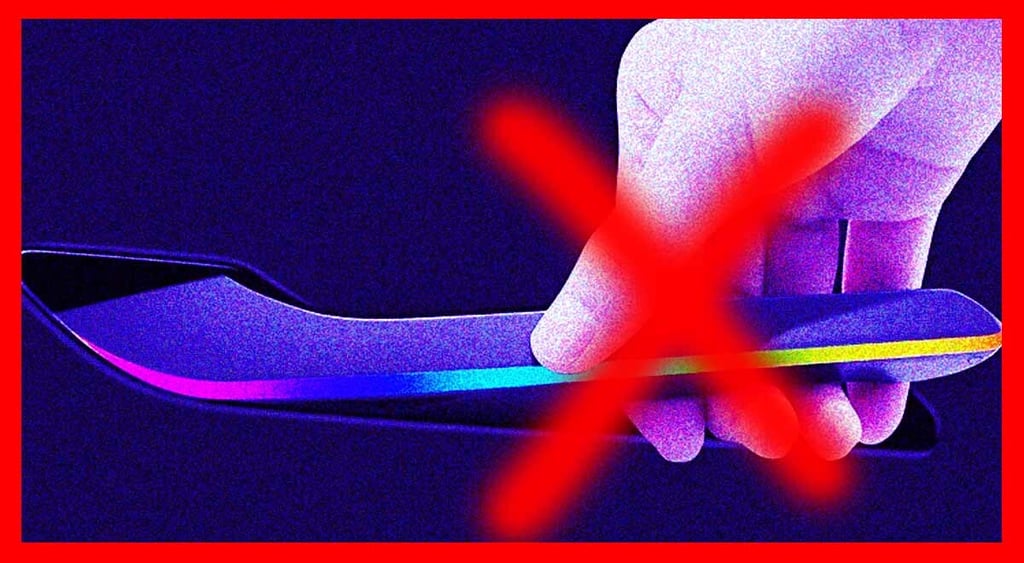
China will ban retractable door handles in electric vehicles from January 1st, 2027, meaning that no new cars will be sold with them.
Tesla already considered redesigning its iconic handles over safety concerns.
At least 15 people have died in Tesla crashes attributed to being unable to escape the vehicle after impact, according to Bloomberg.
The NHTSA has logged more than 140 complaints across different Tesla models since 2018 about doors malfunctioning.
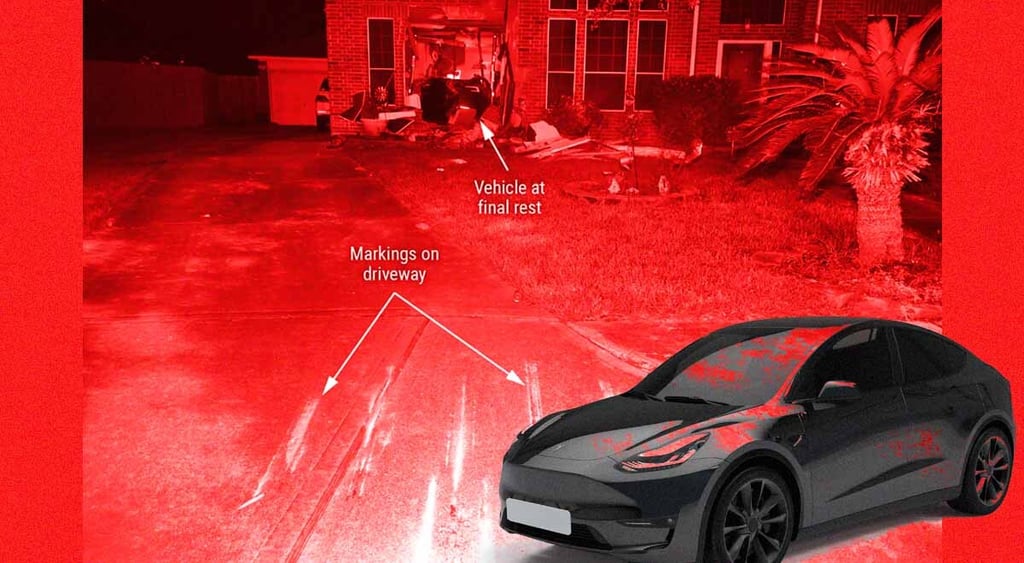
Despite backlash, the petition was seemingly denied on semantic grounds, as the agency clearly states that there are accessible, clearly identifiable emergency controls, as cited in Tesla’s user manual.
But with one denied petition, a new one was born. The NHTSA’s Office of Rulemaking received a petition to set new standards for “robust and obvious door egress systems in all motor vehicles,” not just Tesla’s.
“The request has been granted, and the agency will accordingly commence a rulemaking proceeding,” the NHTSA said.
This may seem promising. However, the agency will decide whether to add new requirements based on information gleaned from the rulemaking promise, according to Bloomberg, which first reported the story.
The NHTSA seems to be considering new regulations, which, if eventually decided upon, could take years to develop and finalize.
Authorities may also face greater pressure from the automotive giants, who journalists say often push back on safety regulations that could cost them more money.