This AI app can predict avocado ripeness
Researchers have developed a smartphone-based artificial intelligence (AI) system that can predict whether an avocado is rotten with 84% accuracy.

Image by Cybernews.

 Follow us
Researchers have developed a smartphone-based artificial intelligence (AI) system that can predict whether an avocado is rotten with 84% accuracy.
Cutting an avocado in half only to find brown spots is all too familiar – about 40% of the global avocado supply is overripe and wasted.
According to a recent study published in the journal Current Research in Food Science, an AI smartphone-based system that accurately predicts avocado ripeness may soon be available to consumers.
Researchers from Oregon State and Florida State University trained AI models using more than 1,400 iPhone images of the most popular avocado type, Hass. It analyzed the fruits’ shape, texture, and spatial patterns, among other indicators.












The system predicted firmness, a key indicator of ripeness, with nearly 92% accuracy. Internal quality, determining whether an avocado is fresh or rotten, was predicted with over 84% accuracy.
The researchers hope to develop a technology that consumers can use at home to determine the optimal time to eat an avocado.
However, more studies are needed that include avocado images captured from diverse and natural backgrounds to improve accuracy.
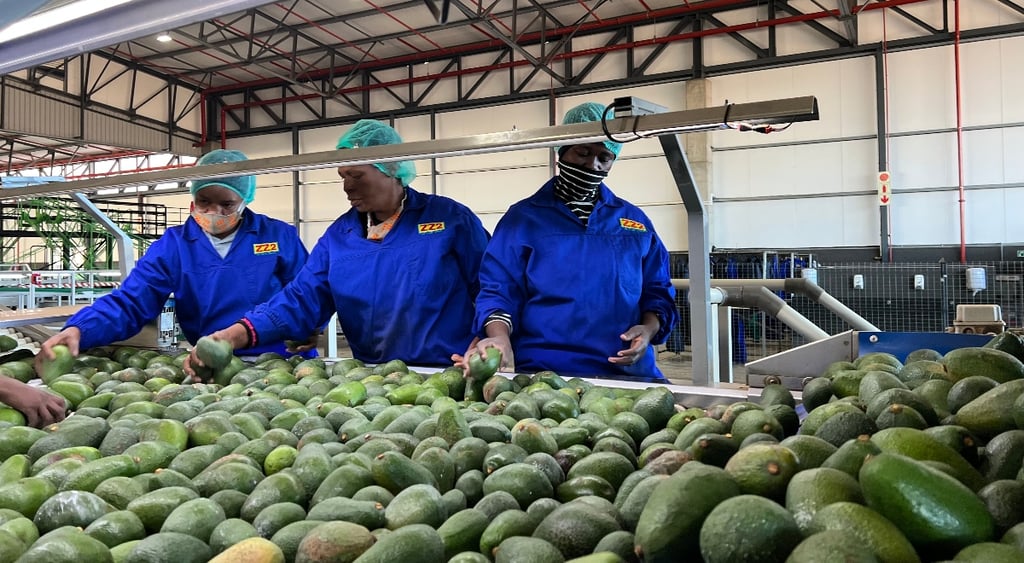
The research team says avocado processing facilities could also use the system to sort and grade the fruit. For example, if the system detects that a batch is more ripe, it could be shipped to a nearby retailer instead of one further away.
Meanwhile, retailers could use the technology to determine which avocados should be sold first based on ripeness.
AI may help reduce environmental impact
The consumption of avocado, which is often called “green gold,” has boomed in recent years, partly due to increasing awareness of its nutritional value.
About 11 billion pounds of avocados are consumed annually worldwide. Their extensive production causes biodiversity loss, extreme weather conditions, and soil degradation.
According to the World Economic Forum, one hectare of avocado with 156 trees consumes 1.6 times more water than a forest with 677 trees per hectare.
Curious what others think about this story? Contribute your thoughts to the debate below.
The emissions footprint of two avocados is 846.36g CO2, nearly twice the size of one kilogram of bananas.
As about one-third of food produced for human consumption is lost or wasted globally, the researchers hope the technology could be applied to other foods.
Data suggests that adopting AI-powered approaches can reduce food waste by up to 30% in supply chains, mainly by reducing the time suppliers need to prepare goods for delivery and improving the freshness of perishable goods.