AI might steal money from life-saving NGOs: “poverty porn” comes at a cost
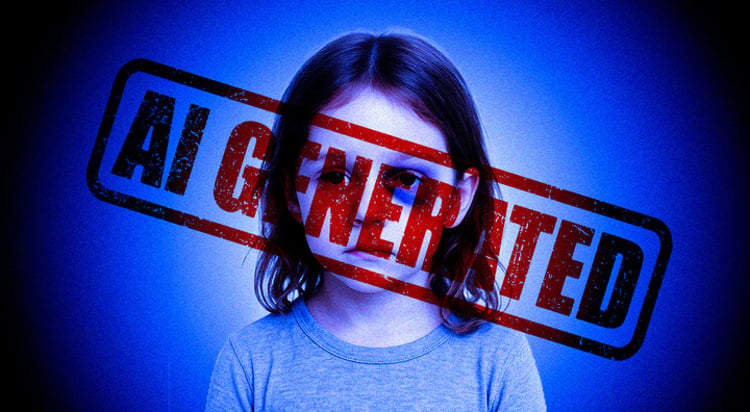
Charities and aid groups are catching arrows for AI-generated images of people in poverty or crises. Experts warn that AI is reinforcing stereotypes and misleading viewers. That results in NGOs that actually help people in distress being seen as less reliable and potentially collecting fewer donations.

 Follow us
Charities and aid groups are catching arrows for AI-generated images of people in poverty or crises. Experts warn that AI is reinforcing stereotypes and misleading viewers. That results in NGOs that actually help people in distress being seen as less reliable and potentially collecting fewer donations.
“AI-generated poverty porn” are synthetic images designed to mimic documentary photos of people in distress. This is how Fairpicture, an ethical media platform, and humanitarian communications consultant Kate Kardol describe the content of the visuals often used to illustrate war, natural disaster, or any other crises.
“In regards to fundraising, it has the potential to erode trust among donors and damage NGOs’ reputations” – two non-negotiables in a sector that relies on public trust and perception,” explains a white paper that Kardol and FairPicture co-authored.
As the authors claim, “synthetic suffering” images distort how viewers understand poverty, reward sensationalism, and risk undermining donors’ trust once it is revealed that the images are generated with AI.
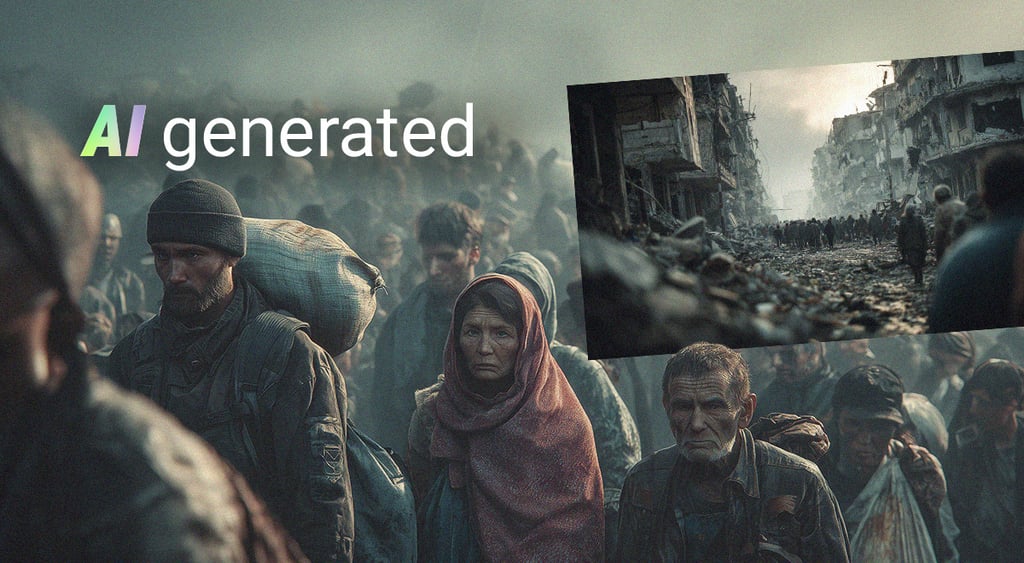





They call “poverty porn” a “growing trend” and claim that generative AI images portray people and places “in undignified manners.”
Because they look very realistic, they continue to enforce stereotypes on people who NGOs serve – which often is one of their missions, to represent certain groups of people for who they are and not what they are presented to be.
However, sometimes it’s the NGO’s themselves that undermine their own mission.
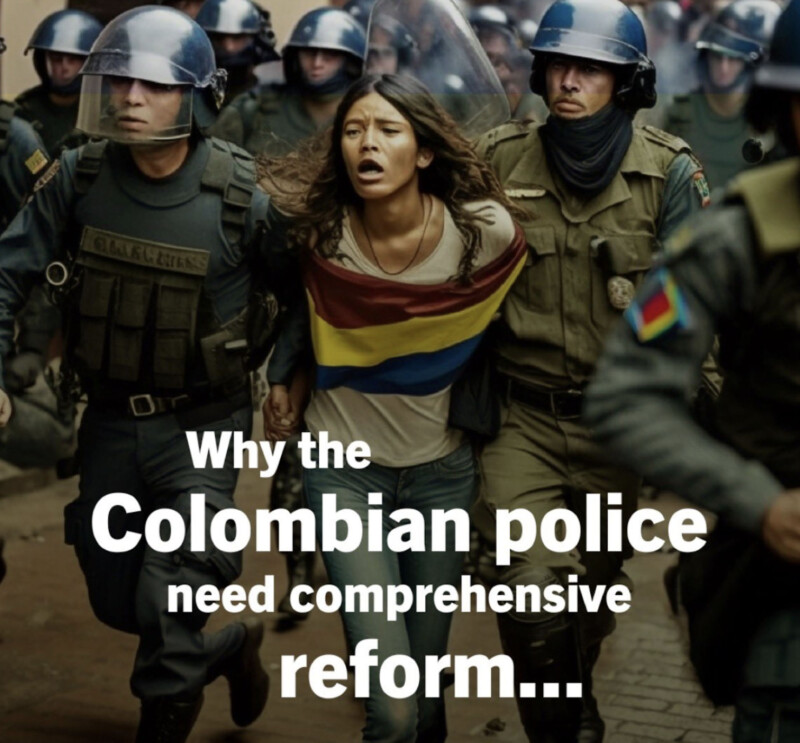
For instance, Amnesty International’s Norway branch used AI-generated images to illustrate police brutality during the 2021 Colombian protests. The fakes were recognized quite quickly as they missed key visual cues or made mistakes when recreating them. For example, some uniforms were described as looking too generic or out of date, including the officers gear.
One image even portrayed a protester who was wrapped in Colombia’s national flag but in that instance, the colors of it were arranged incorrectly.
The paper points out that sometimes these organizations believe that using images like these in fundraising materials helps them avoid legal and moral issues such as gaining the consent of the person on the leaflet and the possible damage it may cause to their reputation or safety.
However, according to Kardol, when pictures look authentic but do not depict reality, they are misleading by design.
“Long before Midjourney and similar AI tools, aid and global health communications frequently produced and reproduced racialized, colonial tropes: prioritizing visual creators from the Global North to ‘find’ suffering, staging images to satisfy funders, and treating Black and Brown bodies as fundraising instruments. AI didn’t create these impulses, it exposes them and has the potential to accelerate them at scale,” state the authors.
Because AI-made images show a clear demand, stock picture libraries are acting accordingly and producing more of these images. They claim to moderate the galleries and add bias controls, but inconsistent image labelling and high upload volumes make tracking the usage of these images difficult.






The authors conclude their work by giving a step-by-step guide, which NGOs should follow in order to prevent crises upon themselves for manipulating reality and causing reputational damage:
- No synthetic depictions of identifiable human suffering
- No AI-generated content imitating documentary photography
- Mandatory disclosure if AI tools assist in design or illustration
- Define what is and isn’t acceptable, and require clear disclosure when AI is used
Unlock more exclusive Cybernews content on YouTube.