Asha Sharma and Marc Andreessen will shape future of work at the Federal Reserve
Trigger-happy CEO, AI evangelist, and ambivalent economist will work together on the future of the Federal Reserve.

Image by Getty/Finn Gomez

 Follow us
- The Federal Reserve formed five external task forces to review how it manages US economic policy decisions.
- Marc Andreessen, Asha Sharma, and Charles I. Jones will advise on AI’s impact on productivity and jobs.
- The appointments highlight how AI is reshaping debates over economic growth, employment, and business efficiency.
Key Takeaways by nexos.ai, reviewed by Cybernews staff.
The Federal Reserve has recruited a few of Silicon Valley’s “brightest minds” to help reshape productivity and employment amid the AI boom.
The Federal Reserve (the Fed), responsible for regulating the US economy, has recruited executives and experts across a range of industries to restructure how the institution deals with monetary policy.
The operation will be split into five task forces and aims to analyze the ways in which the central bank manages, makes, and carries out decisions related to the US economy.
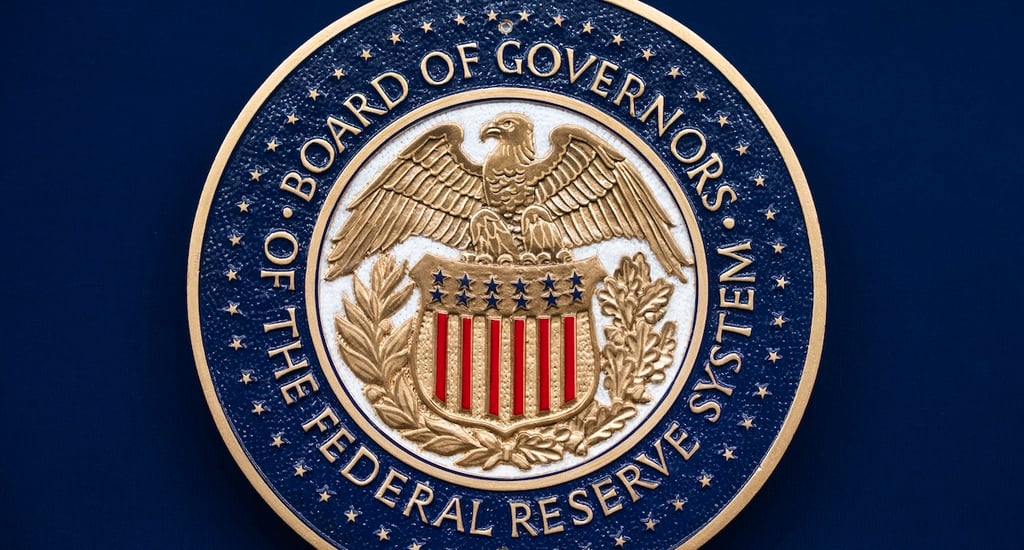






These teams are made up of “accomplished economists, business leaders, and former central bank practitioners…with deep expertise in their fields” who do not already work for the Federal Reserve, the US central bank said.
Each task force will employ three external experts and, separately, they’ll look into five key areas, including communications, balance sheet policy, data, inflation frameworks, and, namely, productivity and jobs.
The productivity and jobs team features familiar faces whose work centers around how AI could be used to drive productivity and promote economic growth.

AI superfan Marc Andreessen named as Fed adviser
Among the team is Marc Andreessen, co-founder of the Silicon Valley venture capital firm Andreessen Horowitz.
Andreessen is known as a “tech-optimist” who has been very vocal about AI’s positive impact on the world.
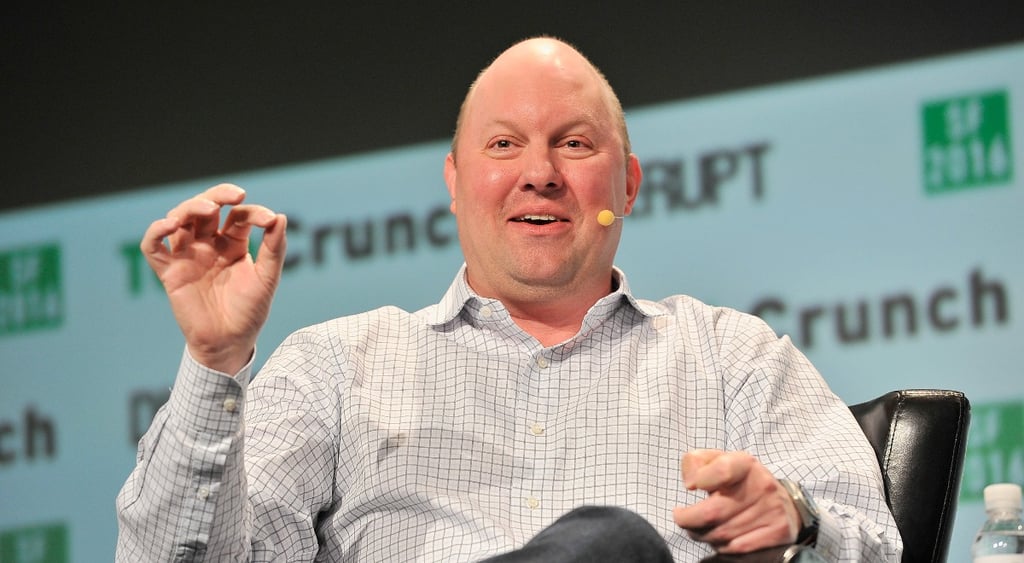
While people were “freaking out” over the implications of AI technology a few years ago, Andreessen was there to “bring the good news,” assuring the public that “AI will not destroy the world, and in fact may save it,” Andreessen claims.
After listing a plethora of benefits like AI improving the arts, education, modern medicine, and even benefiting warfare, Andreessen said, “anything that people do with their natural intelligence today can be done much better with AI.”
The venture capitalist has previously spoken on job loss and AI, saying the public's fears are actually displaced.

Andreessen believes the real concern is what would happen if we don’t integrate AI into industry operations.
While Andreeseen is adamant on AI integration, the venture capitalist has been previously criticized by the public for not understanding how the technology works.
Andreessen’s approach to AI is to grasp it with both hands and, almost blindly, allow it to lead the human race on its intended path to glory.
On the other hand, the newest Xbox CEO, Asha Sharma, has tentatively communicated her views on AI, but in this case, actions speak louder than words.
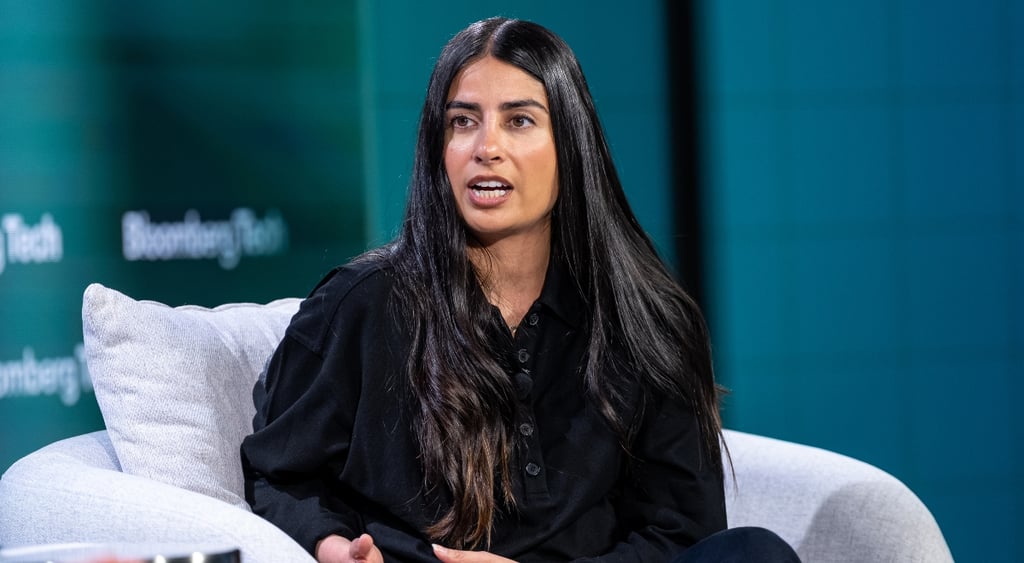
Xbox CEO manages AI investment by slashing 3,200 jobs
Sharma recently took over from former Xbox CEO Phil Spencer and has been busy cutting 3,200 jobs within the video game production house.
In a post on X, Sharma shared an internal email she sent to Xbox employees, informing them of major changes starting July 1st.
What she dubs the most “significant restructure in XBOX history” will see thousands of employees who “have poured their creativity into building XBOX” kicked out of the company.

“Our business today is not healthy. We are operating at margins that are 3–10x lower than comparable platform and publishing businesses,” Sharma says, justifying the cuts.
While she failed to acknowledge that the layoffs are a result of Microsoft’s and, subsequently, Xbox’s investment, that doesn’t mean they aren’t happening.
Microsoft, which owns Xbox, is cutting about 2.1% of its workforce, or roughly 4,800 jobs, the latest in a wave of tech layoffs.

This comes as the tech giant spends heavily on AI infrastructure and uses the technology to improve efficiency across its business.
The company is considering options for the Xbox gaming unit, including a potential spinoff or restructuring as a wholly owned subsidiary, the Information reported last month.



Stay updated with our latest stories and follow us on social media
Be the first to discover new stories, ideas, and updates from our team.
On the fence, Stanford professor makes the cut
The final person on the team is Stanford professor and economist Charles I. Jones, whose attitude towards AI in economics seems to be mostly aligned with Andreessen’s and Sharma’s
However, his opinion is arguably more balanced, as Jones acknowledges the potential risks, albeit existential, that AI implementation may hold.
Jones acknowledges that AI advancement is a “double-edged sword” as it could increase economic growth and help humans innovate, but could also lead to “catastrophic outcomes.”
In his paper, “The AI Dilemma: Growth Versus Existential Risk,” Jones suggests that industries, corporations, and governments should use AI to drive economic growth.
But, only up until the point where the existential risks outweigh the positive use cases.
In short, Jones sits on the fence, and he has a “use it” or “don’t use it” approach to AI.