Can AI extend human lifespan?
New developments in everything from diagnosis techniques to drug discovery and personalized medicine are helping medical researchers make great leaps in combating ageing.
Image by Cybernews.

 Follow us
New developments in everything from diagnosis techniques to drug discovery and personalized medicine are helping medical researchers make great leaps in combating ageing.
What is ageing? If you watch much television, you could be persuaded that it's all about greying hair and the appearance of fine lines.
In fact, the World Health Organization (WHO) describes ageing as the accumulation of a wide variety of molecular and cellular damage over time. This, it says, leads to a gradual decrease in physical and mental capacity, a growing risk of disease — and ultimately death.
There is, of course, a wide range of interventions that can slow down the process of ageing and treat or hold back age-related diseases such as dementia, cancer, and diabetes. And with the advent of AI, many more are starting to emerge.
A 'pivotal time for Alzheimer’s research'






There are great hopes for the possibilities AI presents for Alzheimer's research, with the launch of the Alzheimer’s Insights AI Prize | Accelerating Discovery with Agentic Intelligence by the Alzheimer's Disease Data Initiative.
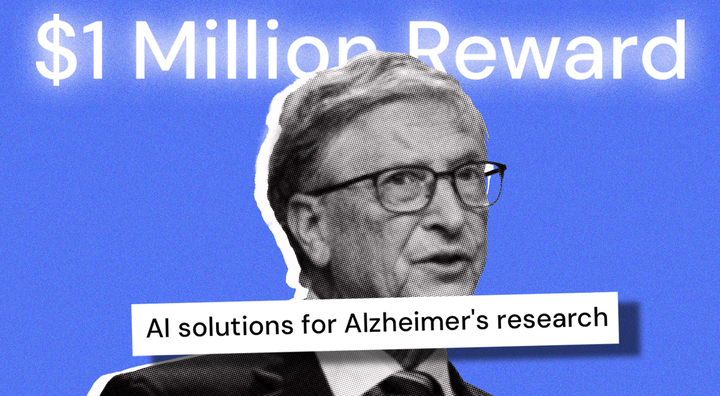
Backed by Bill Gates and a coalition of partners, it's offering a $1 million first-place prize to advance breakthrough AI solutions for Alzheimer's and related dementia research.
“It’s a pivotal time for Alzheimer’s research. We are at the beginning of an innovation curve that shows no sign of slowing down. Agentic AI represents the next quantum leap forward, with the power to compress years of research and transform how we diagnose, treat, and ultimately defeat Alzheimer's," says Phyllis Barkman Ferrell, healthcare system preparedness program advisor for the Davos Alzheimer’s Collaborative.
"For the first time in generations, we can offer real hope to the millions of families affected by this disease — hope backed by revolutionary science that's advancing faster than ever before.”
New drug development
AI is already widely used in the drug discovery process, speeding up the development of treatments for many conditions.
Earlier this year, for example, scientists at Scripps Research and the biotechnology company Gero announced that they'd used AI to identify drugs that combat aging by targeting multiple age-related biological pathways at the same time.
Using an approach known as polypharmacology — the idea that many of the most effective medicines in use today work by interacting with multiple proteins at once — the research team focused on drugs known to target specific proteins, dopamine, serotonin, and histamine receptors, linked to aging processes.
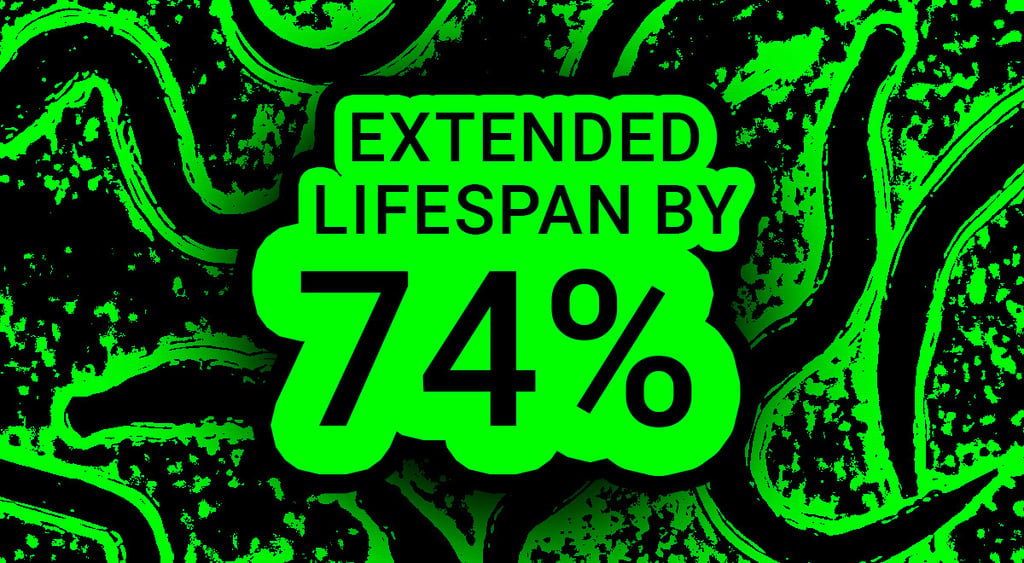
And when 22 of these were tested on C. elegans, 16 delivered an extended lifespan, in one case by 74%.
“This study shows that artificial intelligence can help us go beyond the traditional ‘one-drug, one-target’ mindset,” says co-senior author Michael Petrascheck, professor at Scripps Research. “By embracing the complexity of polypharmacological targeting, we were able to identify compounds that produce stronger and more reliable effects on lifespan than anything we’ve seen in previous screens.”
Late last year, researchers from IIIT-Delhi announced the development of AgeXtend, an AI-based platform that analyzes bioactivity data from molecules known to promote healthy aging to identify new ones.
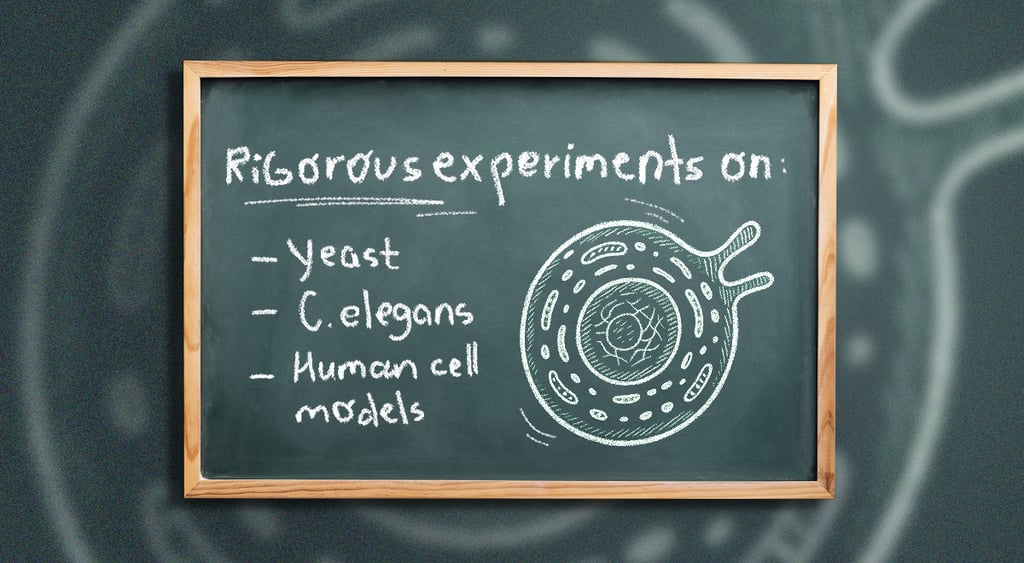
After screening around 1.1 billion compounds, including small molecules, phytochemicals, and cellular and microbial metabolites, the team said they'd uncovered “numerous” promising candidates, validated through rigorous experiments on yeast, C. elegans, and human cell models.
"This work opens new possibilities to explore the biological complexity of aging and find innovative ways to promote health and longevity,” said first author PhD Scholar Sakshi Arora.
Genomic analysis
AI is also starting to be widely used in genomic analysis and predictive healthcare. There's particular interest in its potential to allow cancer to be detected earlier, and for the creation of personalised treatment plans.
Earlier this year, a University of California-led study used advanced computational analysis to establish how specific genetic mutations influence cancer treatment outcomes. They found nearly 800 genetic changes that directly impacted survival outcomes, along with 95 genes significantly associated with survival in cancers such as breast, ovarian, skin, and gastrointestinal cancers.
They then developed a machine learning tool to predict how patients with advanced lung cancer might respond to immunotherapy.
“By understanding how different mutations influence treatment response, doctors can select the most effective therapies — potentially avoiding ineffective therapies and focusing on those most likely to help,” said USC assistant professor of computer science Ruishan Liu.
AI is also making great strides in the prediction of diabetes, allowing earlier intervention. Late last year, for example, researchers at Imperial College London and Imperial College Healthcare NHS Trust announced an AI tool that analyses ECG readings during routine heart scans, and found it could identify people at risk of type 2 diabetes as much as ten years before they begin to develop the condition.




“AI is opening the door for a shift from reactive to predictive research — identifying novel biomarkers of early disease patterns, optimizing clinical trial designs, and revealing unexpected opportunities for drug creation and repurposing,” said Gregory Moore, senior advisor at Gates Ventures and the AD Data Initiative.
“Perhaps AI’s greatest promise, though, lies in breaking down the walls between research teams, enabling secure, privacy-preserving collaboration across institutions and borders.”
Unlock more exclusive Cybernews content on YouTube.