Man develops rare bromide toxicity after ChatGPT dietary advice
A 60-year-old US man was hospitalised with rare bromide toxicity after following ChatGPT’s dietary advice, in a case doctors say highlights the dangers of relying on AI for health guidance.
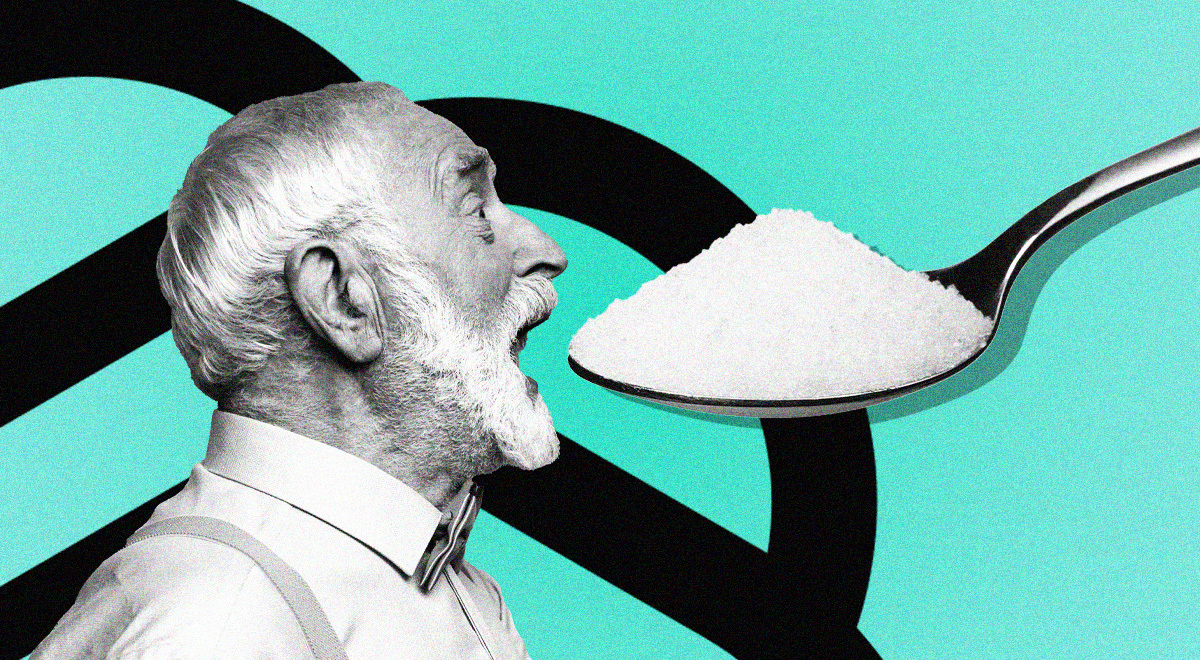
Image by Cybernews

 Follow us
A 60-year-old US man was hospitalised with rare bromide toxicity after following ChatGPT’s dietary advice, in a case doctors say highlights the dangers of relying on AI for health guidance.
For all the talking up of PhD-level everything for ChatGPT-5, horror stories can still emerge from the dark side of AI.
A 60-year-old US man landed in the hospital with bromism, a condition once common a century ago, after following AI dietary advice.
For three months, he had “replaced sodium chloride with sodium bromide obtained from the internet after consultation with ChatGPT,” clinicians wrote in the Annals of Internal Medicine.






Bromism, once responsible for nearly 1 in 10 psychiatric admissions in the early 20th century, is caused by excessive bromide in the body.
The man presented with paranoia, psychosis, facial acne, excessive thirst, and insomnia; he suspected his neighbour was poisoning him.
Sodium Bromide, once used as a sedative, has long been phased out of food and is more commonly associated with cleaning products nowadays.

Doctors say it is “highly unlikely” a human physician would recommend sodium bromide as a salt substitute.
The authors warned that AI systems can “generate scientific inaccuracies, lack the ability to critically discuss results, and ultimately fuel the spread of misinformation.”
When the authors tested ChatGPT with the same question, it suggested bromide without a health warning or asking why the information was needed.
The case occurred before the launch of GPT-5, which OpenAI claims is better at flagging potential health risks.
OpenAI guidelines still state ChatGPT is not intended for diagnosis or treatment and should not replace professional medical advice.