ChatGPT accused of “cannibalizing” Britannica traffic in copyright lawsuit
Encyclopædia Britannica and its daughter company, Merriam-Webster Inc., have filed a lawsuit against OpenAI for unlawfully copying copyrighted material to train ChatGPT.
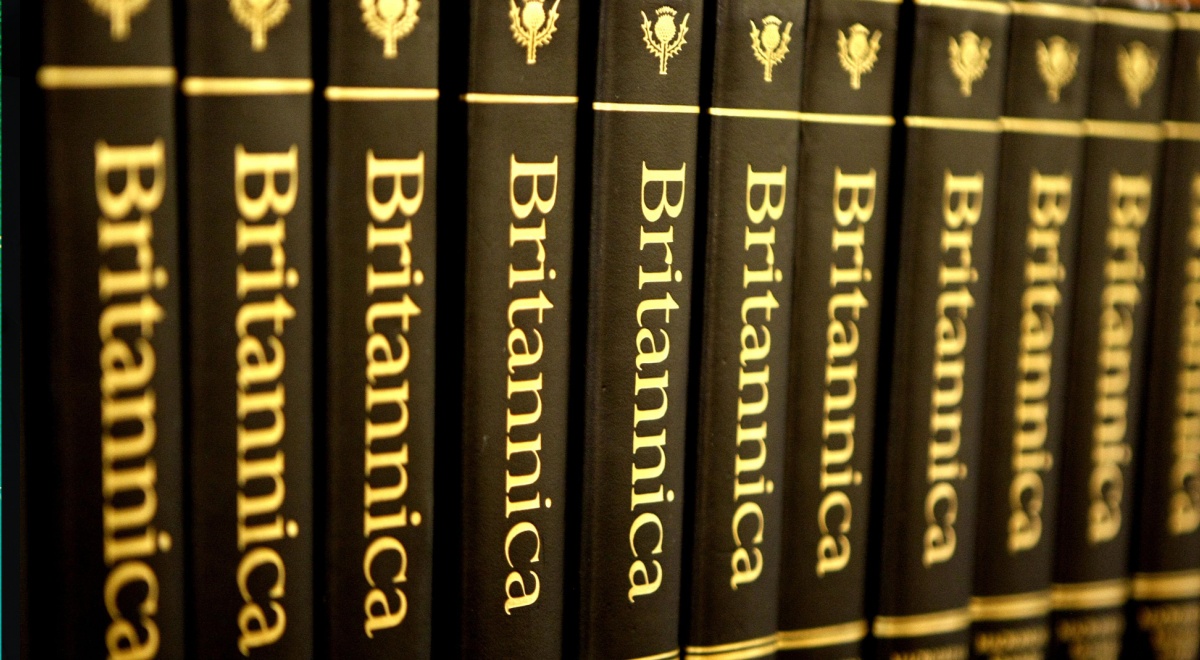
Copies of the Encyclopaedia Britannica. Niall Carson/PA Images/Getty.

 Follow us
Encyclopædia Britannica and its daughter company, Merriam-Webster Inc., have filed a lawsuit against OpenAI for unlawfully copying copyrighted material to train ChatGPT.
According to the plaintiffs, OpenAI is piggybacking on Encyclopædia Britannica’s and Merriam-Webster’s efforts to provide high-quality content to users. Also, the AI company is hijacking the websites of the online encyclopedia and dictionary by reducing internet traffic.
“Defendants’ ChatGPT-based AI products free ride on Plaintiffs’ trusted, high-quality content, made possible through the diligent work of human researchers, writers, editors, and creators, by cannibalizing traffic to Defendants’ websites with AI-generated summaries of Plaintiffs’ own content,” the indictment states.
OpenAI claims to provide better answers than traditional search engines because of its AI summaries. That’s the very reason why businesses like Encyclopædia Britannica and Merriam-Webster are losing visitors to their websites.





“A search engine is an intermediary between users seeking information and web publishers who provide that information. A search engine thus generates clicks from users who click on search results to visit a web publisher’s website,” the plaintiffs say.
Web publishers like Encyclopædia Britannica and Merriam-Webster rely on those clicks to sell subscriptions to users, as well as to sell advertisements to third parties who seek to present their products or services before the publishers’ audience.
Have thoughts about this topic? Others do, too. Join them in the discussion.
Furthermore, the plaintiffs allege that OpenAI “has copied, and continues to copy, Plaintiffs’ copyrighted content at a massive scale,” which constitutes a violation of the Copyright Act. The Microsoft-backed company is therefore responsible for “substantial harm” to Encyclopædia Britannica and Merriam-Webster, and is causing “illicit profits.”
The plaintiffs demand that OpenAI stops stealing their copyrighted content and seek statutory damages.






“Our models empower innovation, and are trained on publicly available data and grounded in fair use,” an OpenAI spokesperson told news agency Reuters.
Encyclopædia Britannica filed a related lawsuit against artificial intelligence startup Perplexity AI last year, which is still ongoing.
Unlock more exclusive Cybernews content on YouTube.