ByteDance and Alibaba to remove "emotional" chatbot features as China cracks down on AI companions
China’s tech giants are removing or separating companion-style functions before new rules come into force
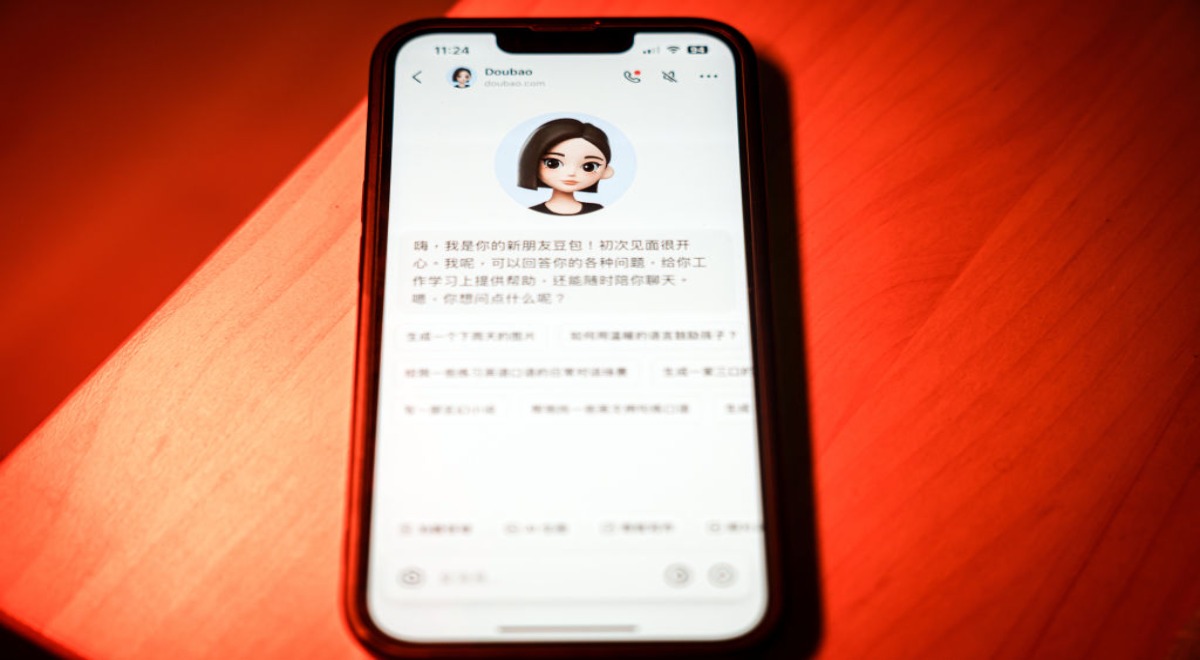
Image by Lam Yik/Bloomberg via Getty Images

 Follow us
- Companion features being pulled: ByteDance's Doubao, Alibaba's Qwen, and Tencent's Yuanbao are removing custom AI persona features before Beijing's new rules hit July 15th.
- New rules target emotional AI: Companion bots (virtual partners, therapists, tutors) face stricter controls, including child protections and limits on using sensitive chats for training.
- Money matters too: Consumer AI companions are costly to run and hard to monetize, pushing firms toward enterprise clients like KFC and Luckin Coffee instead.
Key Takeaways by nexos.ai, reviewed by Cybernews staff.
In a shift in how AI companions are developed and regulated, China’s biggest AI players are disabling companion-style chatbot features ahead of new rules governing emotionally engaging AI.
Beginning on July 15th, TikTok’s parent Bytedance will remove the feature in its popular Doubao chatbot that allows users to create custom AI personas, while Alibaba is making similar changes to its Qwen chatbot.
Tencent’s Yuanbao and other major Chinese AI platforms are also reportedly scaling back or separating companion style features as the new rules from Beijing take effect.
Special protections






Users used to be able to customize an AI’s personality, speaking style, and background, encouraging long-running conversations that blurred the lines between chatbot and companion.
However, Pan Helin, a member of the Ministry of Industry and Information Technology’s expert committee, told South China Morning Post:
“Using agents requires a certain threshold of understanding. Current agents are not yet mature.”
Breaking up with AI
The rules will impact users’ ability to be able to create AI personas ranging from virtual girlfriends and boyfriends, AI therapists and emotional support companions, personalized study tutors and role playing characters with distinct personalities.
Platforms must also introduce special protections for children and companies will be barred from using users’ sensitive conversations with AI companions to train future AI models unless strict safeguards are in place.
US lawsuits
China’s approach is in stark contrast to the US, where scrutiny has come in the form of litigation. OpenAI-backed Character.AI has faced multiple lawsuits alleging its chatbots fostered unhealthy emotional dependence among vulnerable users.
Earlier this year Google, which owns the Character. AI licence, reached a settlement lawsuit involving claims that the platform’s chatbot interactions contributed to the death of a teenager, although the broader litigation against Character.AI continues.
Commercial AI unsustainable?
Enterprise chatbots customer service bots, workplace assistants, education tools and scientific research remain largely unaffected by the new rules and some media sources have commented that the changes also reflect a new commercial reality facing chatbots.



Stay updated with our latest stories and follow us on social media
Be the first to discover new stories, ideas, and updates from our team.
Commercial AI agents have been expensive to run and difficult to monetize. Every lengthy conversation at 3 a.m. with a personalized AI requires significant computing power, driving up cloud and GPU costs while generating little direct revenue.
In certain cases, industry estimates for some consumer AI agent features earned less than 10 cents in revenue for every yuan spent on computing infrastructure, creating an unsustainable business model.
Strong password generator

Rather than investing in consumer AI companions, tech firms in China now appear to be focused on creating task-oriented, tool-based agents where return on investment is measurable and businesses are willing to pay.
Qwen, for instance, opened enterprise API access in June with brands like Luckin Coffee, KFC, and China Eastern Airlines trialing the service.