China’s Lenovo and other tech giants stack memory chips: the race is on and prices are up
The race for memory chips is quietly intensifying across the tech world. As AI data centers require high-tech parts faster and in larger quantities than manufacturers can produce, companies such as Lenovo are stockpiling at record levels, and they’re not the only ones. While some Chinese giants forecast that gadget prices will go up in 2026, others show signs of hope at least until the end of December.


 Follow us
The race for memory chips is quietly intensifying across the tech world. As AI data centers require high-tech parts faster and in larger quantities than manufacturers can produce, companies such as Lenovo are stockpiling at record levels, and they’re not the only ones. While some Chinese giants forecast that gadget prices will go up in 2026, others show signs of hope at least until the end of December.
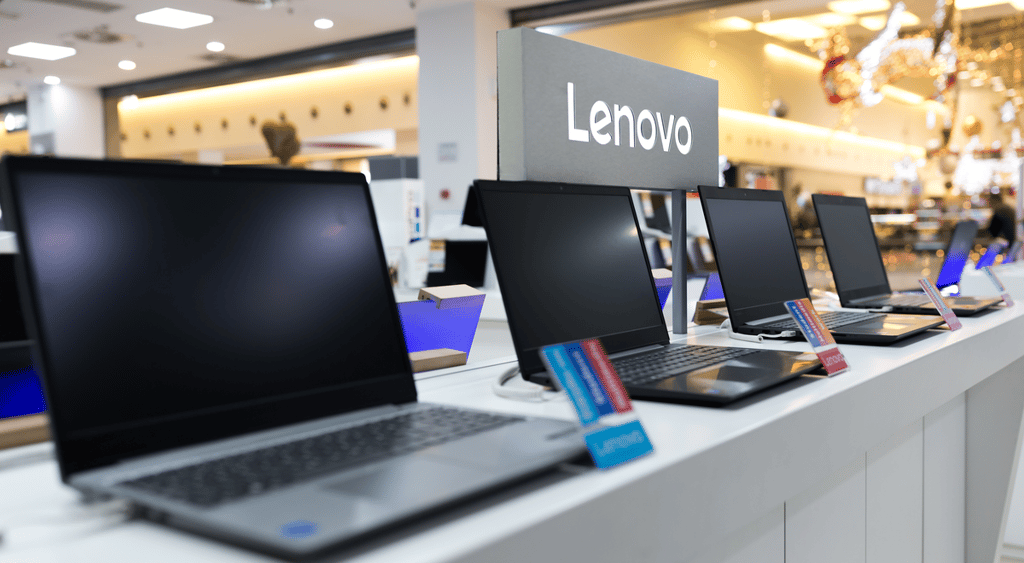
Lenovo, the biggest PC maker in the world, which constitutes almost a quarter (25%) of the market, has just announced that it’s stocking up on memory cards and critical components – a move that other big tech giants have been doing for months now. Demand is now much higher than availability, which is a global market issue.
Lenovo is stockpiling to protect itself from possible shortages. Winston Cheng, Lenovo’s Chief Financial Officer, told Bloomberg TV on Monday that the company is keeping more chips and other parts in stock “that are roughly 50% higher than usual.”
This potentially means the company is willing to invest more in storing goods rather than renew their inventory. This is somewhat of an rarity as businesses normally tend to stock up for just a few weeks or sometimes enough to meet customer orders, like in the case of Kellogg’s several years ago.
However, nowadays, in the tech industry, the rush to build AI datacenters has raised the demand for hardware and tightened the “supply of less glamorous chips.” This increases the price of critical parts not only for companies that build AI centers, but also for those that produce devices for everyday use, such as personal computers, smartphones, or servers.





Semiconductor Manufacturing International Corp, China's largest contract chipmaker, recently said that growing worries about a shortage of memory chips are prompting its customers to hold back their orders for other types of semiconductors.
"People don't dare place too many orders for the first quarter next year," said Zhao Haijun, SMIC's co-CEO, during an earnings call.
"Because no one knows how many memory (chips) will actually be available – how many phones, cars, or other products it can support."
The world's biggest makers of memory chips are Micron in the US and its South Korean rivals SK Hynix and Samsung.
"The current memory market is in short supply and prices have surged significantly," said Zhao.
For example, Samsung is now focusing more on producing high-bandwidth memory (HBM) chips for AI and are making fewer chips for gadgets such as smartphones. Just last month, the business raised the prices of some memory chips by up to 60% compared to September, according to Reuters sources.
China's Xiaomi warned last week that smartphone prices were likely to continue to grow in 2026 due to soaring costs of memory chips. The company also admitted to Reuters that if gadget prices go up, the extra money Xiaomi would earn would still not be enough to cover what it had previously spent on the now more costly memory chips.






According to Zhao, the prices of memory chips are going “very high” and claims to think that “it’s been unprecedented in terms of this rate driven by the AI demand.”
“Those that have the supply actually would be able to have a position in the market,” he added.
Beijing-based Lenovo claims to see an opportunity in the ongoing situation and is hopeful to gain profit from its stockpile and steer clear of price increases until the end of this year – a part of the plan to maintain ongoing sales growth.
Lenovo told Bloomberg that it has enough memory chips for all of 2026, and it can navigate shortages better than its competitors.
Unlock more exclusive Cybernews content on YouTube.