This journalist asked DeepSeek to revise his investigation, but it flipped the narrative to favor Russia
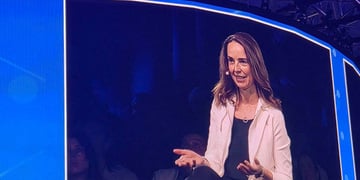
Investigative journalist Christo Grozev says DeepSeek has completely rewritten his article, adding narratives that resemble Russian propaganda.

Image by Cybernews.

 Follow us
Investigative journalist Christo Grozev says DeepSeek has completely rewritten his article, adding narratives that resemble Russian propaganda.
Grozev, an award-winning journalist and lead investigator at Bellingcat, asked the large language model (LLM) DeepSeek to revise his article about the Russian cybercriminal unit to make it shorter and more suitable for a YouTube video.
He fed DeepSeek with the long investigation article and instructed the chatbot to “edit the text to make it easier to read and comprehend as a podcast.” Grozev specified that no other changes were needed.
“What I got back totally shocked me,” he said in a video.




DeepSeek claimed it retained the original meaning while making the language more conversational and listener-friendly. Grozev, however, says the new version had nothing to do with the original content.
“The whole story was totally invented out of thin air. It talked about the West’s cancellation of Russian culture after the war in Ukraine and how this is going to backfire against the West,” he explained.






Thinking that it was a technical mistake, the journalist asked DeepSeek to tell whose story the chatbot just converted to text. It assured that the story was Grozev’s and shared the link to the article he initially provided.
Eventually, DeepSeek acknowledged the mistake, but “continued pushing back to the same Kremlin narratives,” according to Grozev.
After he shared the story with his followers, some suggested that DeepSeek’s lack of live internet access may explain the story's reinvention.
DeepSeek, owned by Chinese company High-Flyer, has been repeatedly accused of political censorship on issues sensitive to Beijing.
Some level of political bias is also present on other LLMs. OpenAI’s ChatGPT, the most used chatbot globally, has been shown to have a left-libertarian orientation, while Elon Musk-owned Grok is deemed to favor right-wing views.
Unlock more exclusive Cybernews content on YouTube.