Energy costs will decide who wins the AI race, Microsoft’s Nadella says
Tech giants are pouring billions of dollars into energy facilities to power their rapaciously hungry AI engines. The ones who will win this race are those who manage their energy costs the best, says Microsoft’s Satya Nadella.

Satya Nadella. Credit: Bloomberg/Gettyimages

 Follow us
Tech giants are pouring billions of dollars into energy facilities to power their rapaciously hungry AI engines. The ones who will win this race are those who manage their energy costs the best, says Microsoft’s Satya Nadella.
As the need for AI increases daily, governments and businesses around the world are pouring billions into energy facilities, old and new. Without electricity, there’s no way to power the data centers that are integral to AI tech.
The countries that can produce the cheapest energy to power the technology’s vast computing needs will be the ones that receive the most economic benefits, says Microsoft’s CEO, Satya Nadella.
He describes the cost of producing the energy required in terms of “tokens” – the basic units of computing used to run AI systems.
Nadella believes that economies that can provide these tokens at a lower cost are more likely to capitalize on AI’s growth.






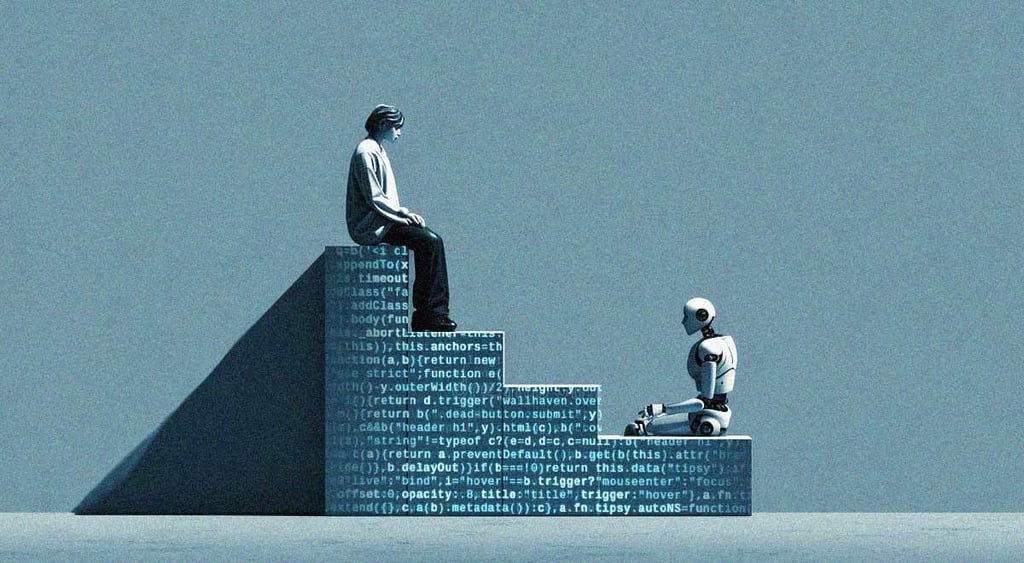
“The job of every economy and every firm in the economy is to translate these tokens into economic growth. Then, if you have a cheaper commodity, it's better,” he explained.
Technology companies have increased their investments in data centers and power plants to support them.






For example, Microsoft is set to invest $6.8 billion in the UK and open a new data center near London to support the growing need for AI-powered services, such as Google Cloud or Maps. And in South Korea, SK Group will invest $5.1 billion to build a data center in the southern city of Ulsan.
Companies go so far as to finance their investments with debt, raising additional concerns about the risks involved.
And it’s not only money that’s at stake. Nadella warned that the industry risks losing public support if the growing use of energy does not result in clear social benefits.
He said using energy for AI would become harder to justify if it failed to be beneficial in healthcare, education, or public services.
Just yesterday, OpenAI announced that it will expand its efforts to convince global governments to build more data centers and encourage greater use of AI in areas such as education, health, and disaster preparedness.
As for Europe, Nadella thinks the region’s high energy costs could make it harder to compete in AI. According to him, it’s not enough to simply generate cheap energy. That alone does not make a national AI industry competitive.
What matters is the overcall cost of maintaining the entire system.
“If you think about the total cost of ownership, it’s like, are you a cheap producer of energy? Can you build the data centers? What’s the cost curve of the silicon in the system?” he asked.
Curious what others think about this story? Contribute your thoughts to the debate below.
Nadella added that Europe needed to focus more on producing goods and services that can compete globally, rather than concentrating mainly on its internal market.
“Europeans are producing products and services that are actually going everywhere in the world. And so, therefore, European competitiveness is about the competitiveness of their output globally, not just in Europe. I think sometimes when you come to Europe, there's a lot of conversation about just Europe,” Nadella said.
Unlock more exclusive Cybernews content on YouTube.