I tested Google's "nano banana" AI image generator after massive upgrade
Google’s AI assistant has undergone a massive upgrade, introducing Gemini 2.5 Flash Image, otherwise known as “nano-banana.”

Image by Cybernews

 Follow us
Google’s artificial intelligence (AI) assistant has undergone a massive upgrade, introducing Gemini 2.5 Flash Image, otherwise known as “nano-banana.”
Google has revealed its “state-of-the-art” image generation and editing model within its chatbot Gemini.
The upgrade allows users to create consistent characters, combine images to create a fully realized scene, and edit using natural language.
🍌 nano banana is here → gemini-2.5-flash-image-preview
undefined Google AI Studio (@googleaistudio) August 26, 2025
- SOTA image generation and editing
- incredible character consistency
- lightning fast
available in preview in AI Studio and the Gemini API pic.twitter.com/eKx9lwWc9j
The tech giant launched Gemini 2.0 in early 2025, which was apparently well-received by the public. Yet users wanted tweaks like “higher-quality images” and “more powerful creative control,” Google said.



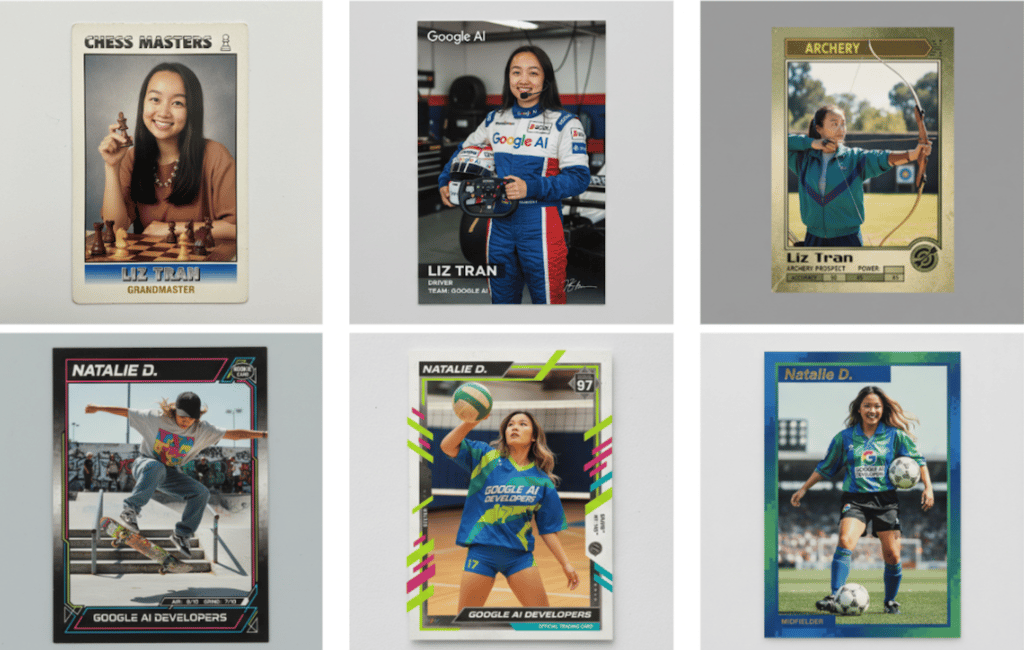
Gemini 2.5 Flash Image can maintain character consistency across multiple prompts, meaning that users don’t lose physical features that help us distinguish different characters.




One X user was given early access to Google’s Gemini 2.5 model, and they were “impressed by how it maintained consistency of character as well as small details.”
Only one image was fed into the “nano banana,” and the user prompted the AI model to place the man in different scenarios.
The user then used Veo3, Google’s video generation model, to fix the flow and motion within the scenes.
Nano Banana was the preview of Google’s new Gemini 2.5 Flash Image model. 🍌
undefined MetaPuppet (@MetaPuppet) August 26, 2025
I was given early access on @googleaistudio and created this video based off of 1️⃣ image
I was really impressed by how it maintained consistency on the character as well as small details. (Pay… pic.twitter.com/dQAO8Ylwyb
Character consistency in Gemini 2.5 goes beyond displaying people. Users can also show objects from various angles and environments.
Alongside character consistency, the model is also good at sticking to templates, which is useful for businesses when adhering to brand guidelines.
Google has said it’s already witnessed developers use the AI model to create business cards, employee badges, and product mock-ups.
When editing images, Google’s AI now uses natural language to remove or add elements to an image.
Using a single text prompt, the model can blur backgrounds, remove stains on a t-shirt, or remove a person from an image entirely.
Google has supposedly enabled its newest model to “unlock new use cases” such as becoming a tutor by drawing on “Gemini’s world knowledge.”
This version of Gemini can now merge images to create one succinct scene. Users can see what a new lamp might look like on their bedside table or see what a new shirt might look like.
“Put this shirt on him”
undefined Pietro Schirano (@skirano) August 26, 2025
Gemini 2.5 Flash Image
Previously nano-banana pic.twitter.com/7jX8vJ7GOx
People have already started playing around with Gemini 2.5 Flash Image, with one person even asking to see what they’d look like with bangs.
“Imagine this person with bangs”
undefined Lucie Kerley (@luciekerley) August 26, 2025
Prompt playground -> Gemini 2.5 Flash Image (aka nano-banana)
🍌 🍌 🍌#AI @GoogleDeepMind @GeminiApp pic.twitter.com/k2vlfWCtir
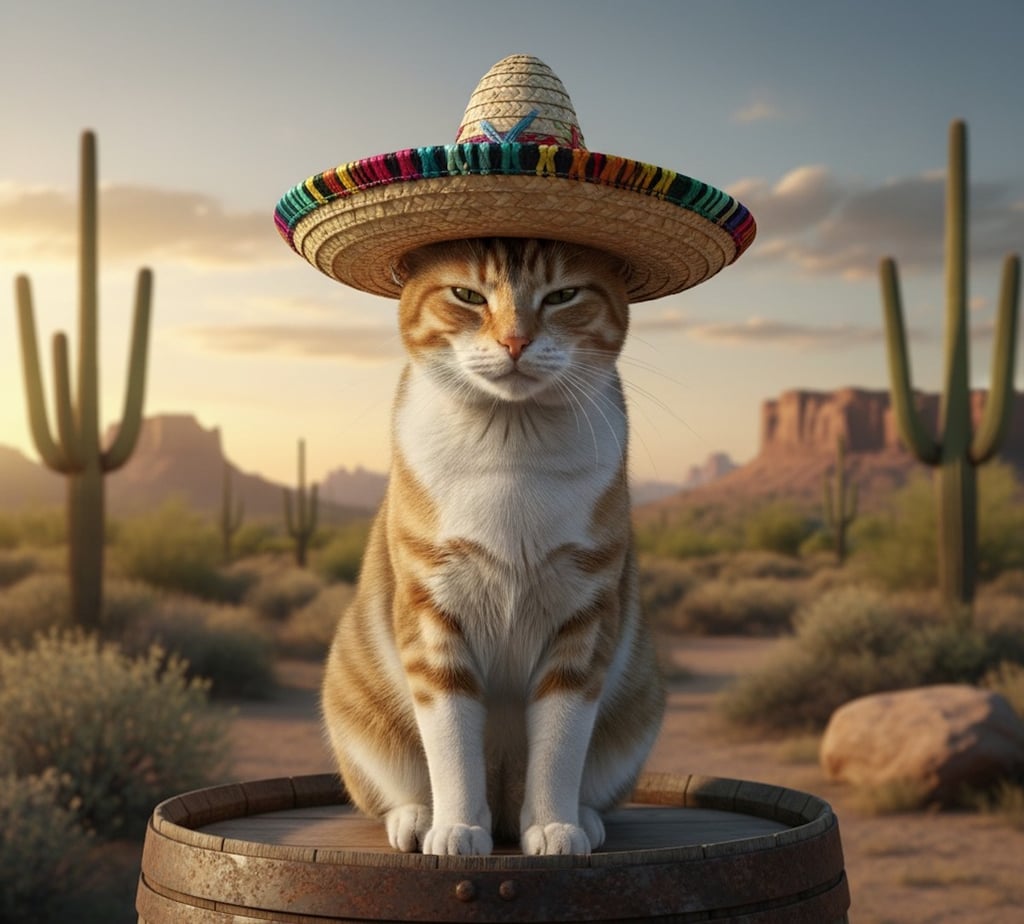
Cybernews asked “ nano banana” to create an image of a cat wearing a sombrero, which it did in just over five seconds.
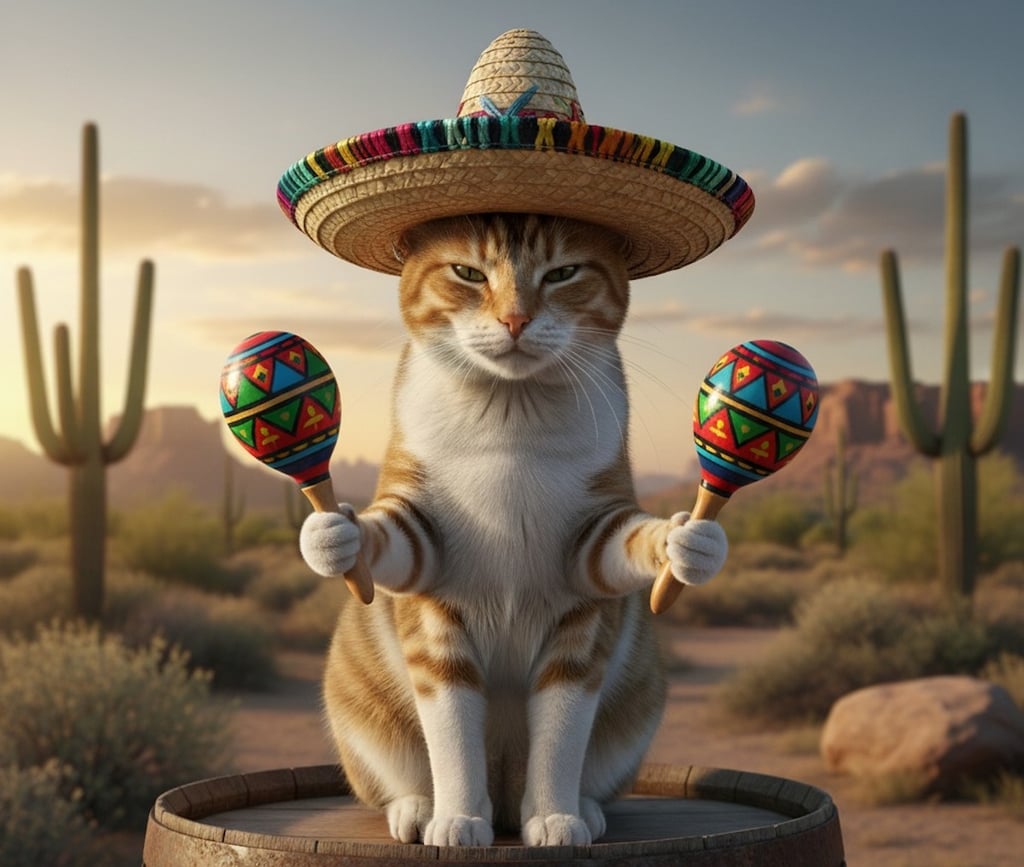
We wanted to test out the character consistency element of the upgrade, and asked Gemini to generate the same image but instead, have the cat holding maracas.
The result left much to be desired, as, typical of AI image generation, the model created the same cat just with six legs instead of two.
However, the model is only available in preview via the Gemini API and Google AI Studio and “will be stable in the coming weeks,” Google said.
Gemini 2.5 Flash Image is priced at $30 per one million tokens, and each image is roughly 1290 tokens, which Google estimates is around 40 cents per image.