Hungary uses AI to investigate €160 billion in spending under Orbán
The country’s anti-corruption watchdog says it’s using artificial intelligence to help trace more than €160 billion of public spending. The hunch is that during the 16 years of government led by former Prime Minister Viktor Orbán, the money could have been spent improperly through grants, contracts, or governmental subsidies.

Former Hungarian Prime Minister Viktor Orban. Photo by Sean Gallup/Getty Images.

 Follow us
The country’s anti-corruption watchdog says it’s using artificial intelligence to help trace more than €160 billion of public spending. The hunch is that during the 16 years of government led by former Prime Minister Viktor Orbán, the money could have been spent improperly through grants, contracts, or governmental subsidies.
- Hungary’s anti-corruption watchdog is using AI and machine learning to analyse more than €160 billion in public spending.
- Authorities aim to track potential misuse of funds during Viktor Orbán’s 16-year rule, including grants, contracts and subsidies.
- The system is designed to connect fragmented financial records, helping flag suspicious transactions and possible corruption patterns.
- The move comes amid political pressure and ongoing scrutiny of Hungary’s use of EU funds, which has long faced allegations of misuse.
Key Takeaways by nexos.ai, reviewed by Cybernews staff.
The head of the Hungarian Integrity Authority, Ferenc Biró, had told the Financial Times that the agency has developed an AI and a machine-learning system that’s capable of monitoring economic transactions in real time.
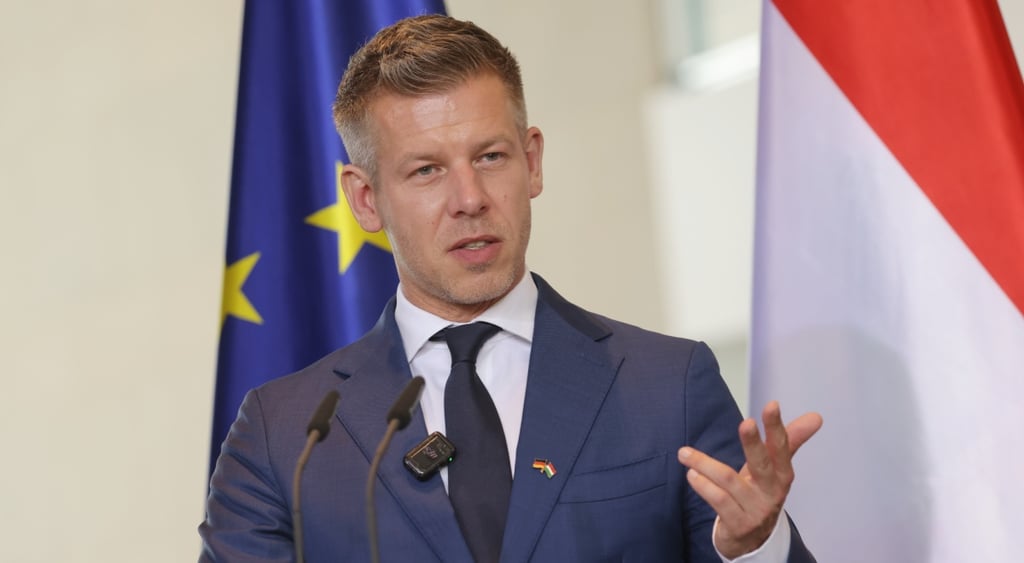
According to Biró, the newly elected government, led by Péter Magyar, wants to move quickly to identify money that could have been channeled to people linked to Orbán's political network.
According to Politico, the urgency isn’t accidental, as Magyar’s government is now trying to convince Brussels that Hungary can handle large EU funding as the country seeks more of it.






Biró also added that AI will support efforts to recover assets that may have been moved abroad.
According to him, the previous government did not cooperate with the watchdog. He now estimates that corruption may have accounted for between 15% and 20% of government spending by 2025, compared with 2% to 3% when Orbán was first elected to lead the country in 2010.
How can AI systems detect mysteriously gone funding?
Biró did not specify how Hungary's use of AI and machine learning systems would operate in the search for the Orbán government's supposedly lost funds.
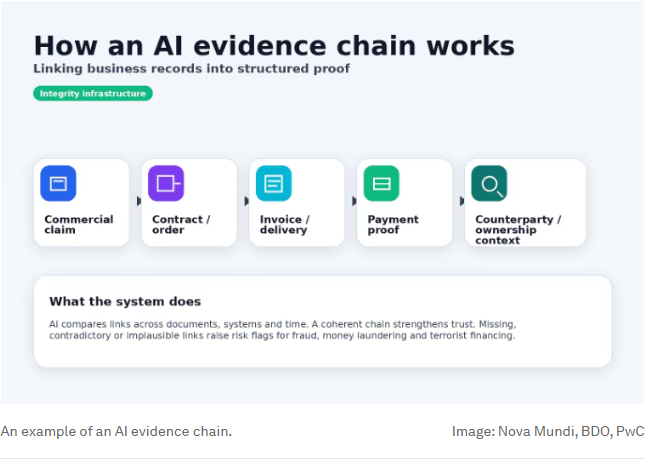
However, AI systems designed to detect fraud typically combine several methods to identify suspicious financial activity. According to the World Economic Forum, one of the biggest benefits when using AI to detect fraud is not simply processing data faster, but connecting records that would otherwise remain isolated.






"AI is unusually well suited to this task because it can compare claims across documents, systems, and time at a scale that manual review cannot match," claims the organization’s report published this March.
As its authors claim, “financial crime thrives on fragmentation,” and AI designed to combat financial crime flags inconsistencies that may indicate fraud, corruption, or money laundering.
The technology can be used to build so-called "evidence chains.”
Hungary’s viral moments when possibly misusing EU funding
The Orbán-run government has long been accused of directing public contracts, multi-million EU project funds, or state funds toward businesses owned by his political allies.
He has repeatedly denied these kinds of allegations, although some funding schemes and the absurdity of their results have become not only a target for journalistic investigations but also viral moments on the internet.
The roundabout in the video was funded by the EU and cost €1.25 million. It was built between the two Hungarian cities, Zalaegerszeg and Zalaszentiván, and was supposed to serve as a logistics hub and container terminal, which hadn’t been built at the time. This project depended on another railway project that had been repeatedly delayed by the government.
It hasn’t been finished to this day, and with no logistics infrastructure, no logistics hub or terminal was built either. That left the roundabout standing alone in the middle of a field with no roads leading to or from its intended destination.
The story circling around the internet for several years now has been repeatedly presented as an example of concerns about how public and EU funds were spent during Orbán's time in power.
Unlock more exclusive Cybernews content on YouTube.