Meta’s new $10B AI data center will run almost entirely on fossil fuels
As the AI race heats up, so does the planet.

Image by Shutterstock.

 Follow us
- Meta plans a nearly $10 billion AI data center in Alberta requiring a new gas-powered plant.
- Alberta officials say the project will create jobs, revenue, and more reliable electricity for the province.
- Environmental concerns remain as the 932-megawatt Greenlight plant will rely on natural gas, not renewable power.
- The project shows how rising AI demand is increasing pressure on fossil fuels, even as renewables expand.
Key Takeaways by nexos.ai, reviewed by Cybernews staff.
While Canadian politicians boast about the benefits of Meta’s investment in Alberta, they’ve glossed over one major detail.
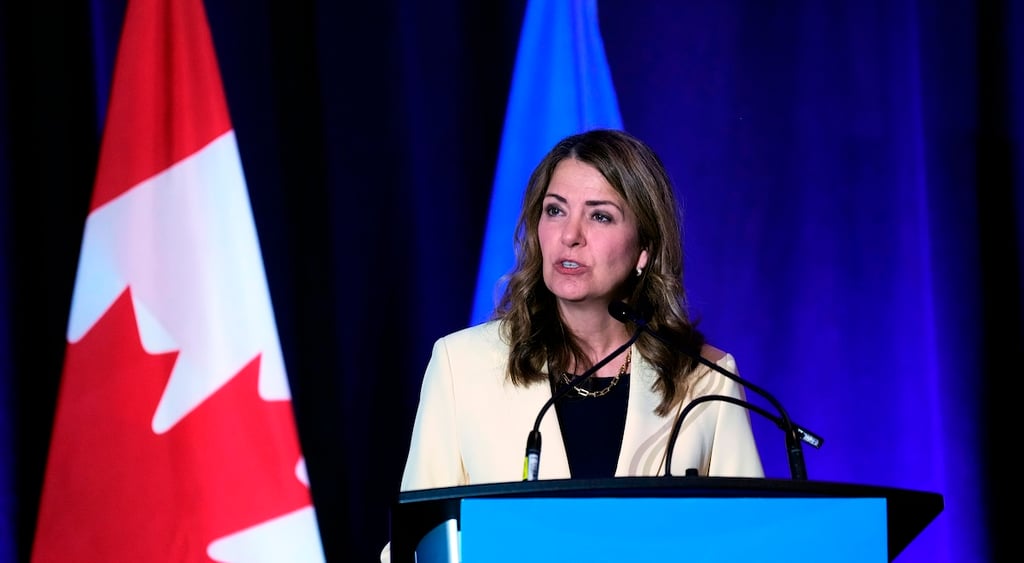
This investment has been described as a historic feat for the Canadian province and, if all goes well, will generate “thousands of jobs, hundreds of millions of dollars in annual revenue, and make electricity more reliable and affordable,” according to province leader Danielle Smith.
However, the nearly $10 billion AI data center requires its own power plant, which will run exclusively on fossil fuel.





Alberta’s electricity grid isn’t sufficient to power the enormous data center Meta has planned, so the site will run on a combination of “grid-connected electricity with new on-site natural gas generation,” according to the government.
While Alberta’s existing grid does generate power partly from renewable energy sources (solar, wind, hydro, and geothermal), it gets roughly 89% of its power from fossil fuels, according to Energy Rates, Canada’s cost comparison tool.
Greenlight power plant development finally makes sense
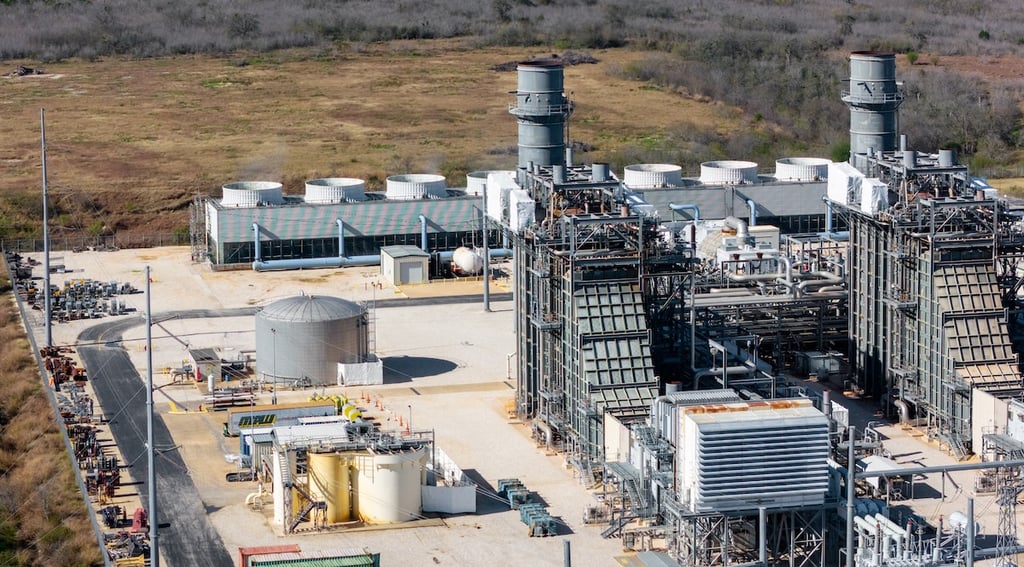
But Meta’s hyperscaler requires an unfathomable amount of energy, so a new 932 megawatt gas-powered plant, set to open in 2030, is being built to accommodate the data center's needs.
The construction of the Greenlight Electricity Center was announced on July 2nd, almost a week before Meta revealed plans to build its Canadian AI data center.



Stay updated with our latest stories and follow us on social media
Be the first to discover new stories, ideas, and updates from our team.
One of the main corporations behind Greenlight, Pembina Pipeline, said that Alberta’s latest power plant will be built within the Alberta Industrial Heartland and will “serve a major data center development.”
The announcement seemed vague until Canadian politicians in Alberta revealed that Meta will be Pembina Pipeline’s primary customer.
Data centers run on precious fossil fuels
Data centers have received significant criticism for the environmental dangers they pose, as facilities, particularly Meta’s, have been under fire for excessive water consumption and even contaminating nearby towns’ water supplies.
But what many people may not know is that the demand for power means advanced AI data centers are reliant on inherently scarce fossil fuels.
People may assume that facilities that power advanced technology are naturally fueled by renewable energy sources.
According to the International Energy Agency (IEA), global electricity generation to supply data centers is projected to more than double over the next decade.

Renewables are expected to meet nearly half of the additional demand over the next 5 years, but coal and natural gas are still the largest sources of electricity.
Why wouldn’t tech companies developing highly intelligent technologies also be able to develop sustainable, safe energy sources?
Well, they haven’t yet, and as fossil fuels are a constant and reliable source of energy, companies continue to use them regardless of the environmental impact.
“Rapid growth in AI and cloud computing is driving durable global demand for data center capacity, and Alberta has positioned itself as an attractive jurisdiction for significant investment,” said Pembina Pipeline.
Why Meta is building its AI data center in Alberta
Meta’s interest in Canada, and particularly Alberta, isn’t based on the tech company’s investments in the province.
While Meta promises to pledge $60 million to improve roads and water infrastructure in the area, the venture isn’t at all altruistic.
Alberta is an area that is extremely rich in fossil fuels and accounts for “over 90% of Canada’s oil production and approximately 60% of its natural gas production,” according to Canada Action.
This makes Alberta the “undisputed heart of the nation’s energy sector.”