Michael Caine and Matthew McConaughey allow AI firm to clone their voices
Oscar-winning actors Michael Caine and Matthew McConaughey have signed a deal with ElevenLabs, an AI voice cloning company.
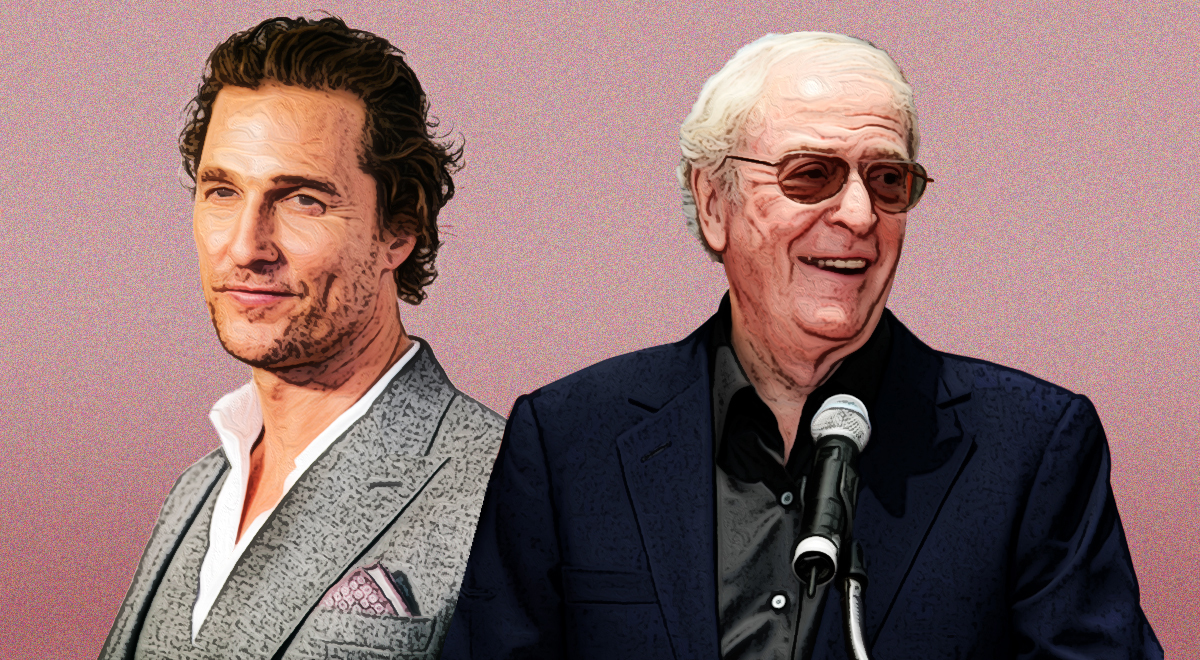
Image by Cybernews.

 Follow us
Oscar-winning actors Michael Caine and Matthew McConaughey have signed a deal with ElevenLabs, an AI voice cloning company.
The company has announced the launch of Iconic Marketplace, which allows creative teams to request approval to use the voice of Caine, along with that of two dozen other public figures, including Maya Angelou and Alan Turing.
Caine’s and other voices will also be available on the ElevenReader app to narrate books, articles, and PDFs.
ElevenLabs says the Marketplace “solves a key ethical challenge in AI-driven media creation” by enabling the ethical sourcing and licensing of voices.










“We’re proud to build tools that democratize the creative process, expand access to technology, and foster responsible innovation,” Mati Staniszewski, CEO and Co-Founder of ElevenLabs, said in a statement.
Moreover, the company announced that Academy Award-winning actor McConaughey is now a client and an investor. He uses ElevenLabs’ technology to provide a Spanish audio version of his newsletter.
Public figures are easy targets
As voice cloning technology advances, an increasing number of celebrities are concerned about their voices being exploited. Jennifer Aniston, Oprah Winfrey, and Kylie Jenner are among public figures whose voices have been used by fraudsters.
Actor Scarlett Johansson spoke out against OpenAI in 2024, claiming that the company used “a voice eerily resembling her own” in ChatGPT’s Sky assistant. Johansson said she was previously approached by the company to voice its AI system but declined the offer.
OpenAI denied the allegations, saying that the voice belongs to a different actor whose identity cannot be revealed due to privacy reasons.
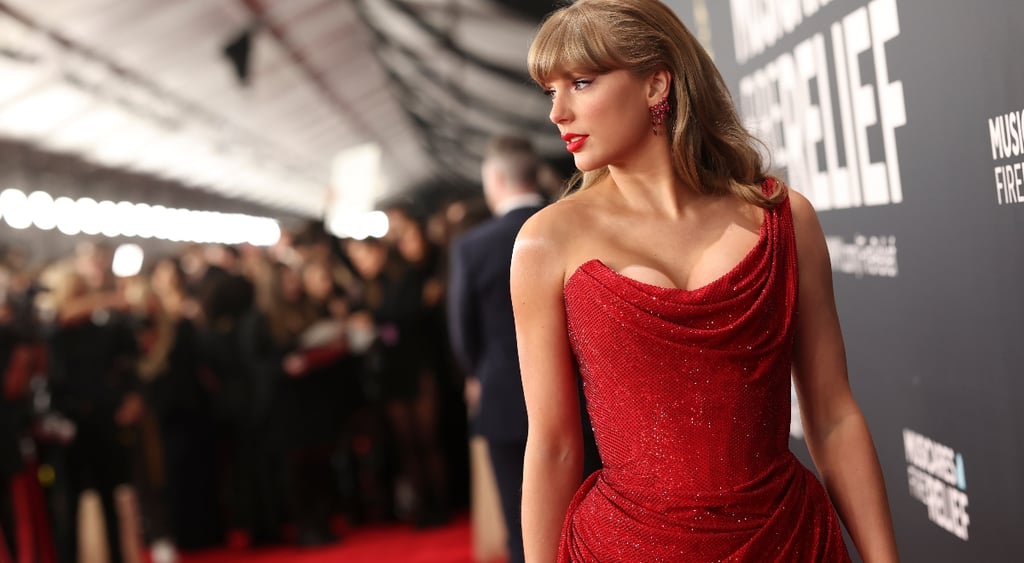
Last year, TikTok had to remove videos with the cloned voice of pop singer Taylor Swift, which was often used in AI-generated songs or covers of other artists’ songs.
The move was a provision in the platform’s agreement with the Universal Music Group, following its complaints that TikTok was “sponsoring artist replacement by AI.”
Two voice actors sued an AI voice generator company, Lovo, in 2024, alleging that their voices were used without permission.
Despite being assured that their voices would be used for internal purposes only, they later discovered that their voices had been used in a YouTube video and a podcast.
Unlock more exclusive Cybernews content on YouTube.