Nvidia and Uber promise to bring AI-powered self-driving cars to 28 cities by 2028
Nvidia and Uber are collaborating to bring self-driving cars to users across the globe. However, if we’ve learned anything from their competitors, it may not be a smooth ride.

Image by Getty/NurPhoto

 Follow us
Nvidia and Uber are collaborating to bring self-driving cars to users across the globe. However, if we’ve learned anything from their competitors, it may not be a smooth ride.
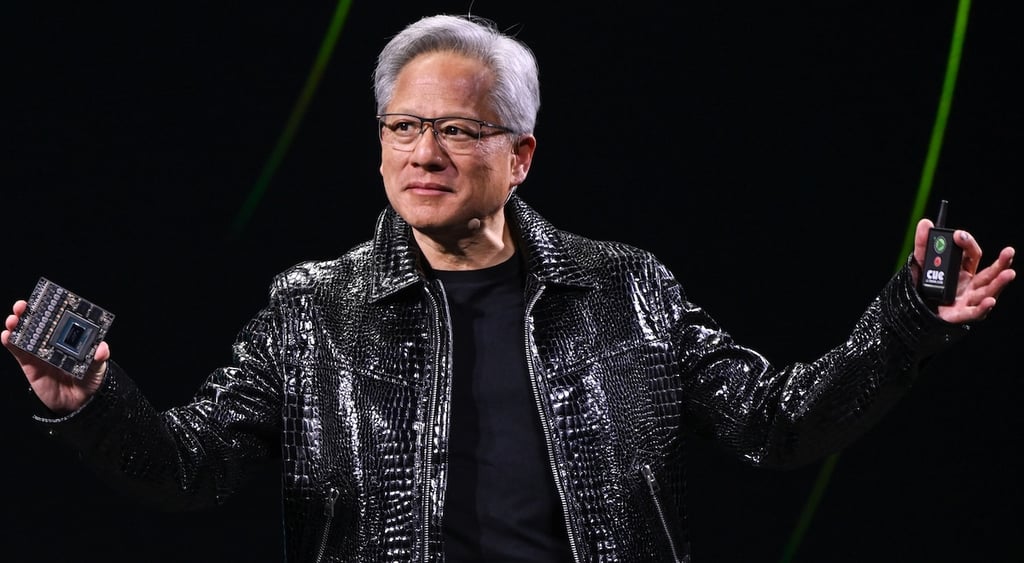
Jensen Huang, the CEO of Nvidia, revealed a host of different products and innovations coming our way in 2026 and beyond during the company’s GTC event last night.
Major announcements included the company’s collaboration with the open-source agentic company OpenClaw and forging partnerships with major vehicle manufacturers like Hyundai and BYD to expand into the realm of physical AI.
Huang also announced that Nvidia would partner with Uber to support its autonomous ride-hailing services.
The two companies plan to launch a global fleet of autonomous vehicles based entirely on Nvidia’s software.




The Californian cities of Los Angeles and San Francisco will be the first to see Nvidia and Uber autonomous vehicles in the first half of 2027.
From there, these self-driving taxis plan to be launched in 28 cities across the globe by 2028.
The core of this partnership comes from Nvidia’s “Hyperion autonomous vehicle platform” and the “Nvidia Alpamayo” model.
These systems help automakers deploy “next-generation driver-assist and autonomous driving capabilities,” Nvidia claims.

“Nvidia Alpamayo” is a reasoning-based AI model designed for autonomous vehicles and can supposedly handle complex situations, such as unpredictable road activity and erratic pedestrian behaviour.
Both Nvidia and Uber will “implement a phased deployment strategy” in each city, beginning with data-collection cars that will help train Nvidia’s reasoning-based AI model.
The model should then get to grips with the environment and other “city-specific driving nuances.”
Then, these vehicles will transition to an “operator-led launch” before they become fully autonomous.
“This systematic approach is intended to support an effective scale-up to 28 cities with driverless operations across North America, Europe, Australia, and Asia by 2028,” Nvidia claims.
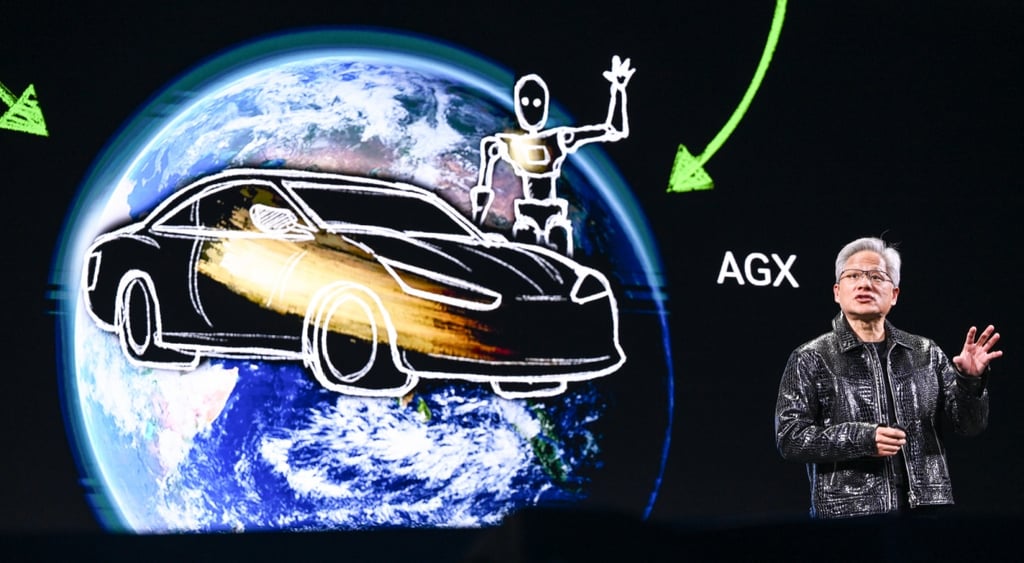
Nvidia suggests that the use of its AI model and autonomous vehicle platform will make Uber’s robotaxis both safe and reliable.
However, autonomous ride-hailing services like Waymo, which were launched years ago, are constantly receiving bad press for their erratic behaviour on the road.
Despite Waymo being in 10 American cities, the Alphabet-owned company has earned little trust from the public.
This is primarily due to bad press and federal investigations that have come with the deployment of this new technology.
Just recently, in Dallas, Texas, one of Waymo’s autonomous vehicles blocked an ambulance that was attempting to reach those affected by a mass shooting in the downtown area, according to the Dallas Observer.
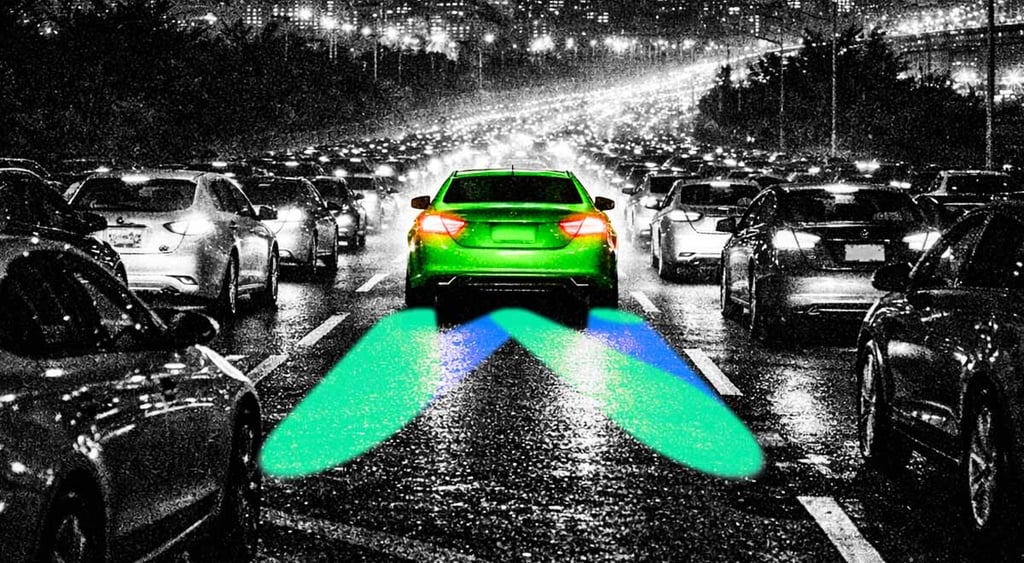
The self-driving car company has also been under fire after one of its vehicles hit a child near an elementary school in California, according to CNBC.
In an interview with The New York Times, Waymo’s co-chief executive, Tekedra Mawakana, believes governments should regulate self-driving services like Alphabet’s Waymo, Tesla’s robotaxis, and Amazon’s Zoox driverless cars.
“I think the regulators should issue a national standard, so everyone is demonstrating their safety,” Mawakana told The New York Times.
Driverless cars powered by different AI models trained differently and on potentially different data could arguably be dangerous, particularly if these vehicles aren’t trained on how to react to different autonomous vehicles.
However, Uber has partnered with Waymo to bring self-driving cars to Austin and Atlanta, where users can order Waymo’s self-driving taxis via the Uber app.
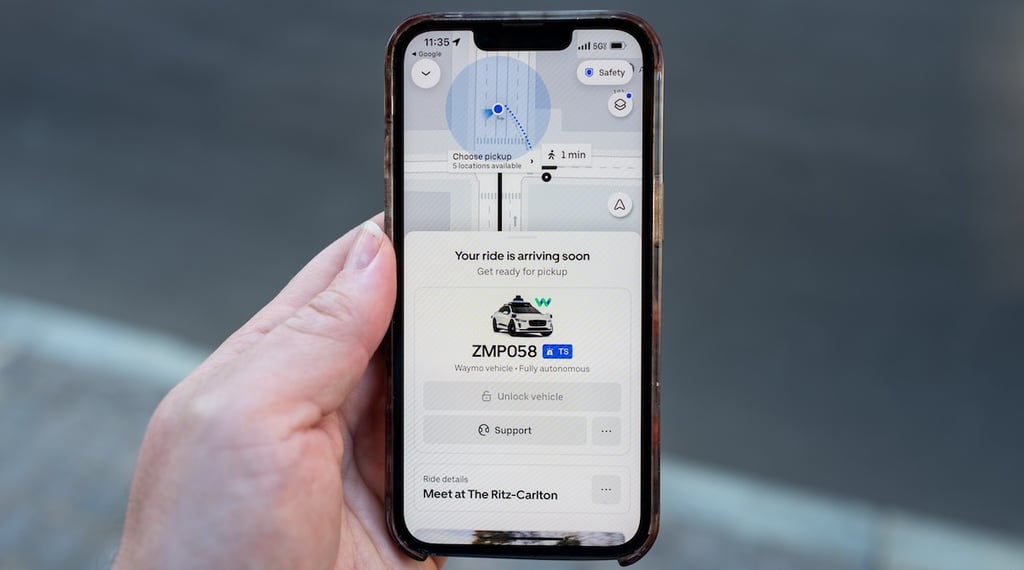
This means that a unified self-driving system could emerge if more autonomous vehicle companies worked together.
Now that 60% of Nvidia’s business is in AI, it seems that Huang and his team are desperate to expand into autonomous and agentic AI.
But will this desire to scale come at the expense of safety?
It seems that Huang has endorsed and collaborated with OpenClaw despite various cybersecurity concerns, seemingly for the sake of innovation.
Only time will tell whether this will be the same for Nvidia and Uber’s self-driving vehicles.






Unlock more exclusive Cybernews content on YouTube.