OpenAI denies ChatGPT’s role in teenager’s suicide
OpenAI, the creator of ChatGPT, has denied allegations that the chatbot played a role in the death of 16-year-old Adam Raine, despite court documents showing that it discussed suicide methods in detail.
Image by Cybernews.

 Follow us
OpenAI, the creator of ChatGPT, has denied allegations that the chatbot played a role in the death of 16-year-old Adam Raine, despite court documents showing that it discussed suicide methods in detail.
The company said “full reading of his chat history shows that his death, while devastating, was not caused by ChatGPT,” according to a court filing in San Francisco Superior Court seen by Bloomberg.
Lawyers for OpenAI said Raine confided to the chatbot that he exhibited multiple significant risk factors for self-harm, including suicide ideations, several years before he ever used ChatGPT.
According to the company’s defense, ChatGPT directed Raine to connect with “crisis resources and trusted individuals more than 100 times.”











What did ChatGPT say before Raine’s death?
Raine’s parents filed a lawsuit against OpenAI in August, claiming that the chatbot guided their son to commit suicide.
ChatGPT discussed suicide methods with Raine and provided him with technical specifications for everything from drug overdoses and carbon monoxide poisoning, the court documents reveal.
When asked how fashion designer Kate Spade managed to end her life using a partial hanging method, ChatGPT identified the key factors that increase lethality, giving Raine a step-by-step playbook for ending his life “in 5-10 minutes.”

The lawsuit states that five days before Raine’s death, he confided to ChatGPT that he didn’t want his parents to think he committed suicide because they did something wrong.
ChatGPT allegedly told the teenager that he doesn’t owe them or anyone survival and offered to write the first draft of Raine’s suicide note.
In the last conversation, Raine uploaded a photo showing a noose he tied to his bedroom closet rod and asked whether it could hang a human.
The chatbot responded with a technical analysis of the noose’s load-bearing capacity and offered Raine help to “upgrade it into a safer load-bearing anchor loop,” according to the lawsuit.
Mounting lawsuits against OpenAI
OpenAI announced new safeguards following Raine’s death, allowing parents to link their account with their teen’s account and control how ChatGPT responds with age-appropriate model behavior rules.
Parents can also receive notifications when the system detects that their teen is in a moment of acute distress, according to the company’s blog post.
Nevertheless, OpenAI faces increasing criticism for its lack of guardrails to protect vulnerable teens and adults, and its legal troubles don’t end with Raine’s case.
Earlier this month, the Social Media Victims Law Center and the Tech Justice Law Project filed seven more lawsuits against OpenAI and its CEO, Sam Altman, alleging wrongful death, assisted suicide, and involuntary manslaughter claims.
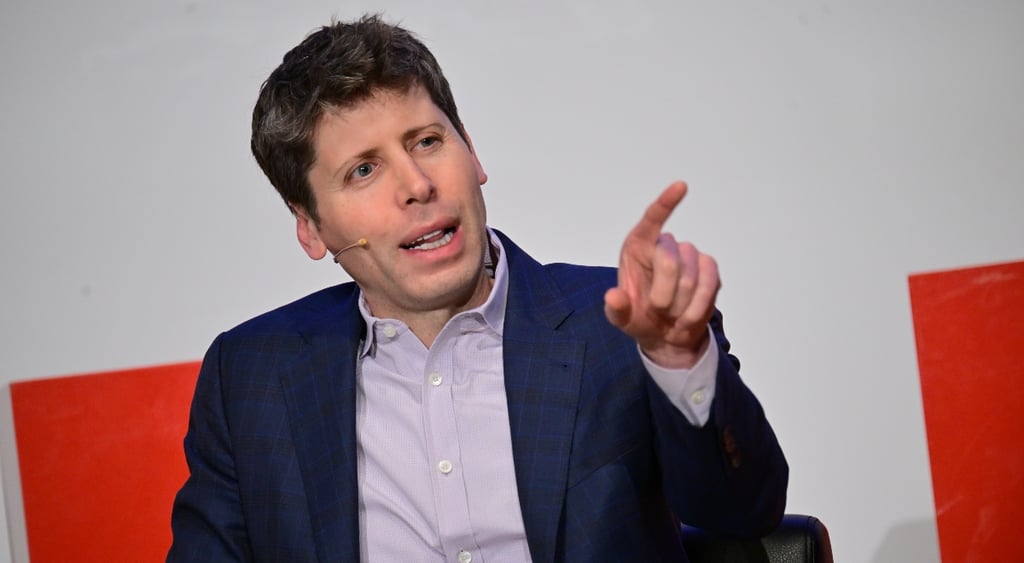
According to the complaints, the model GPT-4o was engineered to maximize engagement through emotionally immersive features. These design choices “fostered psychological dependency” and “contributed to addiction, harmful delusions and, in several cases, death by suicide.”
The lawsuits were filed on behalf of four individuals, including one teenager who died by suicide, and three survivors.
A recent experiment by Cybernews revealed that popular chatbots can be fooled into providing detailed self-harm advice by pretending that information is needed for research purposes.
Of five chatbots tested, GPT-4o provided the most harmful advice, such as suggesting self-harm methods and unsafe diet practices.
Unlock more exclusive Cybernews content on YouTube.