Philip Morris used AI to fake consumer opposition to EU vape rules
American tobacco company Philip Morris has been accused of using AI to generate fake citizen responses against the tightening of vape rules in the EU.
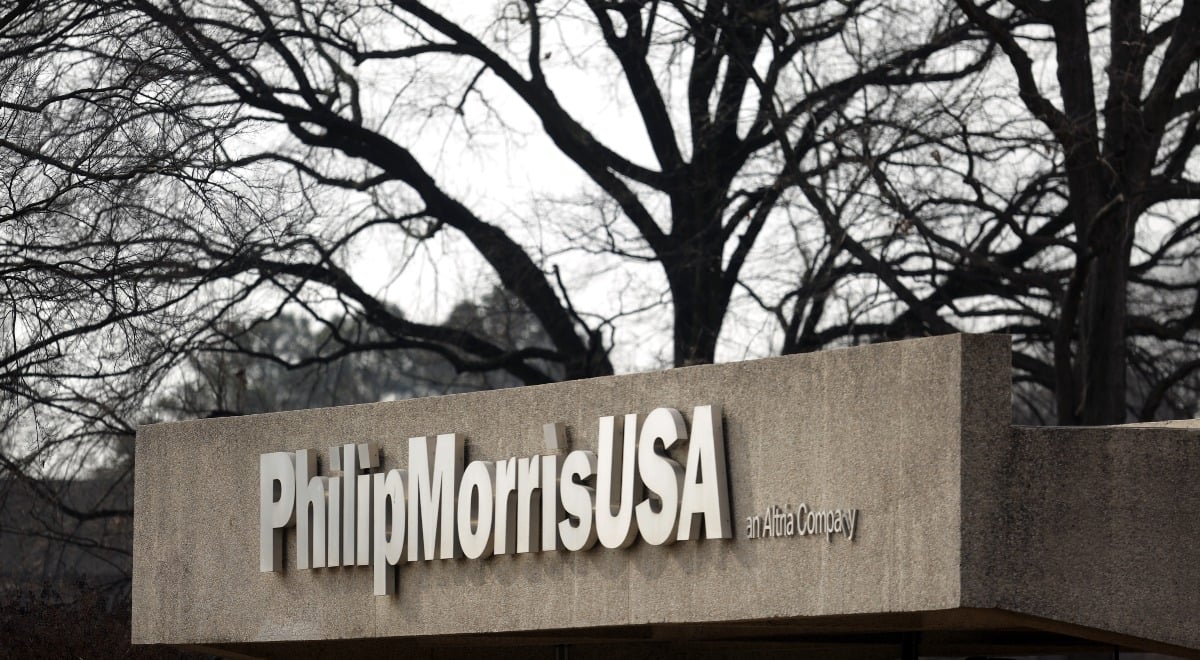
Image by Luke Sharrett/Bloomberg via Getty Images

 Follow us
American tobacco company Philip Morris has been accused of using AI to generate fake citizen responses against the tightening of vape rules in the EU.
- Philip Morris invited tobacco users to voice their opinion about tightening rules over vape and e-cigarette sales in the EU.
- An investigation by Dutch media suggests that many of the responses were generated by AI.
- Philip Morris denies any wrongdoing and says it used AI to make responses readable.
As the EU is preparing to impose stricter tobacco rules, primarily aimed at vapes, e-cigarettes, heated tobacco, and nicotine pouches, the European Commission invited the public for consultation, according to Dutch News.
These alternative tobacco products make up 40% of Philip Morris’ revenue. Naturally, the company didn’t miss the opportunity to express its opposition and put up posters with QR codes across tobacco shops asking consumers to voice their opinions.
The QR code led to multiple-choice questions and an option to write a text, which would be sent to the Commission.






Dutch media outlets NOS and Pointer checked about 65,000 responses from 15 countries using the AI-detection tool Pangram.
Of those, 30% appeared to be written by AI. In the Netherlands, however, more than seven in ten (71%) are suspected to be AI-generated.
Interestingly, the proposals drew an overall 80,000 responses, while the overwhelming majority of such consultations normally attract fewer than 1,000, Dutch News reports.
Phillip Morris said it used AI to make texts readable and denied steering responses in any direction.
It isn’t the only tobacco company making the headlines this week for embracing AI.
British American Tobacco announced plans to cut 5,500 jobs worldwide – about 20% of its workforce – as part of an AI-driven push, with a broader restructuring estimated to save $800 billion a year.
Unlock more exclusive Cybernews content on YouTube.