OpenAI backer "very nervous" about the AI bubble. Here's why
Investors are increasingly restless, a renowned short-seller Michael Burry has begun sending warnings of a potential AI crash, and now, Sebastian Siemiatkowski, OpenAI backer and Klarna CEO, says he’s “very nervous” about the possibility that the bubble will burst.
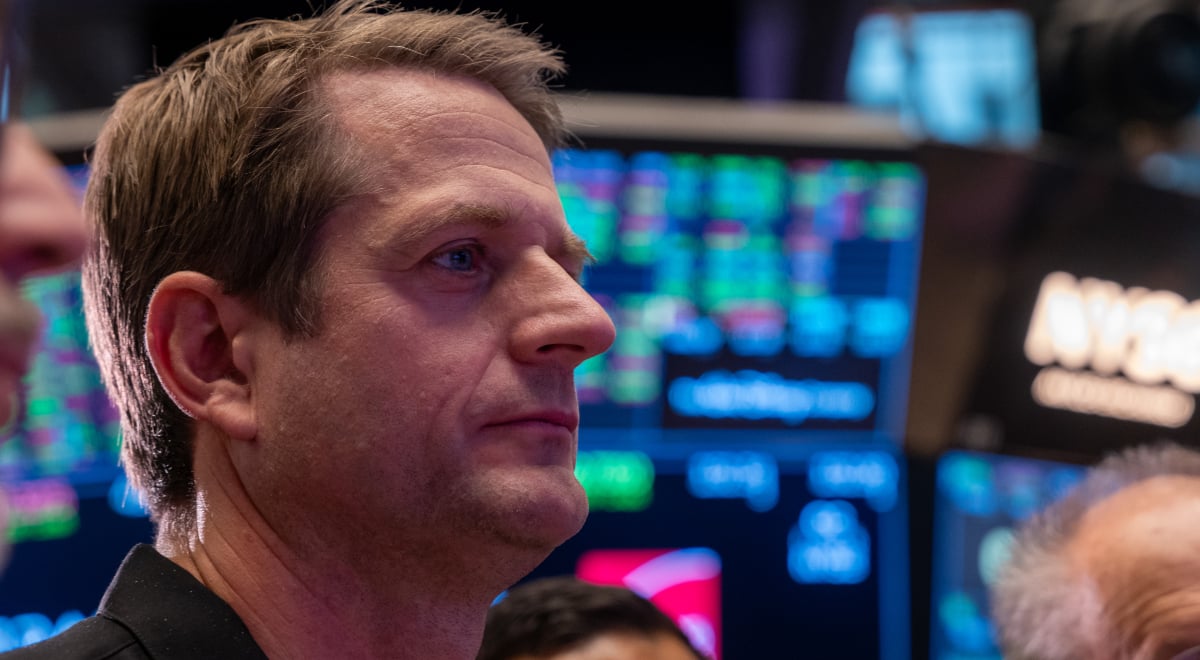
Image by Getty Images/Spencer Platt.

 Follow us
Investors are increasingly restless, a renowned short-seller Michael Burry has begun sending warnings of a potential AI crash, and now, Sebastian Siemiatkowski, OpenAI backer and Klarna CEO, says he’s “very nervous” about the possibility that the bubble will burst.
Klarna, a Swedish fintech company that provides online financial services, was incidentally one of the first movers in adopting AI.
In March 2024, the firm boasted that it had developed an AI assistant that was doing the job of 700 human employees. In December the same year, Klarna even said it had stopped hiring humans.
Soon, though, the company’s founder and CEO Siemiatkowski told Bloomberg that his AI-powered pursuit of cost-cutting in customer service had gone too far. It turned out that Klarna’s commitment to AI had its limits.
In other words, Siemiatkowski learnt the lesson that hype isn’t everything. That’s perhaps why he now openly speaks about his doubts whether massive investments in data centers, needed for AI development, will pay off.











In an interview with Financial Times, he said he’s “very nervous” about the hugely expensive data center build-out. OpenAI, for instance, has committed to spending $1.15 trillion on hardware and cloud infrastructure between 2025 and 2035. It’s bleeding billions every month, though.
“I think OpenAI can be very successful as a company but at the same time I’m very nervous about the size of these investments in these data centers,” Siemiatkowski – who holds shares in AI companies such as OpenAI, Perplexity, and xAI – said. “That’s the particular thing that I am concerned about.”
To him, the popularity of ChatGPT is “a different thing” than the question of whether it’s smart to put trillions of dollars into servers.
“I am concerned that piling that kind of money into data centers may turn out to be not worth it.”
In January, DeepSeek shocked the markets after unveiling low-cost, power-efficient models, and in September, said that its R1 model only cost $294,000 to train.
Siemiatkowski even said he was considering hedging his exposure to companies involved in the vast infrastructure build-out, explaining he believed that less computing power to run AI was needed than tech companies were planning to spend.
Here’s where the example of Chinese AI firm DeepSeek comes in. In January, it shocked the markets after unveiling low-cost, power-efficient models, and in September, said that its R1 model only cost $294,000 to train.
The Cybernews community is talking about this. Be a part of the conversation.
According to Siemiatkowski, executives in companies he invests in actually agree with his critical position but don’t want to say anything publicly.
“People have an incentive to say I’m wrong, and I feel, behind closed doors, people are more concerned about what I’m saying than they are in public. That makes me nervous, because of the amount of wealth that is currently automatically allocated into this trend, without some more thoughtful thinking,” said Siemiatkowski.
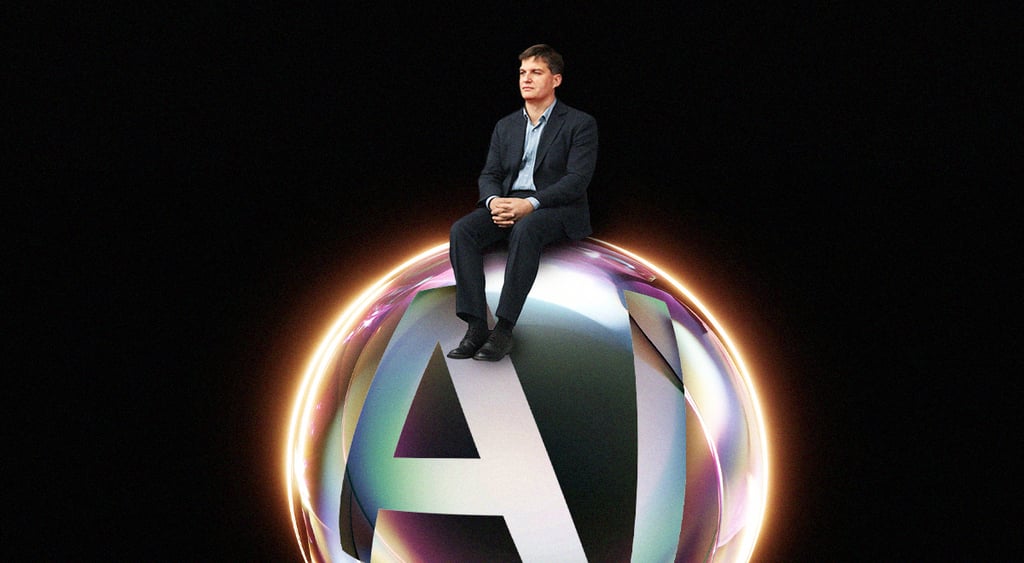
He partially agrees with Michael Burry, the “Big Short” investor who bet against the US housing market ahead of the 2008 financial crisis and made billions.
This month, Burry placed two large bets against Nvidia and Palantir and then wound up his hedge fund Scion Capital last week after complaining that the stock market had become detached from fundamentals.
Indeed, the valuations of AI companies are booming but that’s essentially the only thing powering the US stock market this year.
Given the circumstances, it's be difficult to call this landscape of overstretched valuations sustainable.
Unlock more exclusive Cybernews content on YouTube