Trump’s national AI rule: the good, the bad, and the ugly
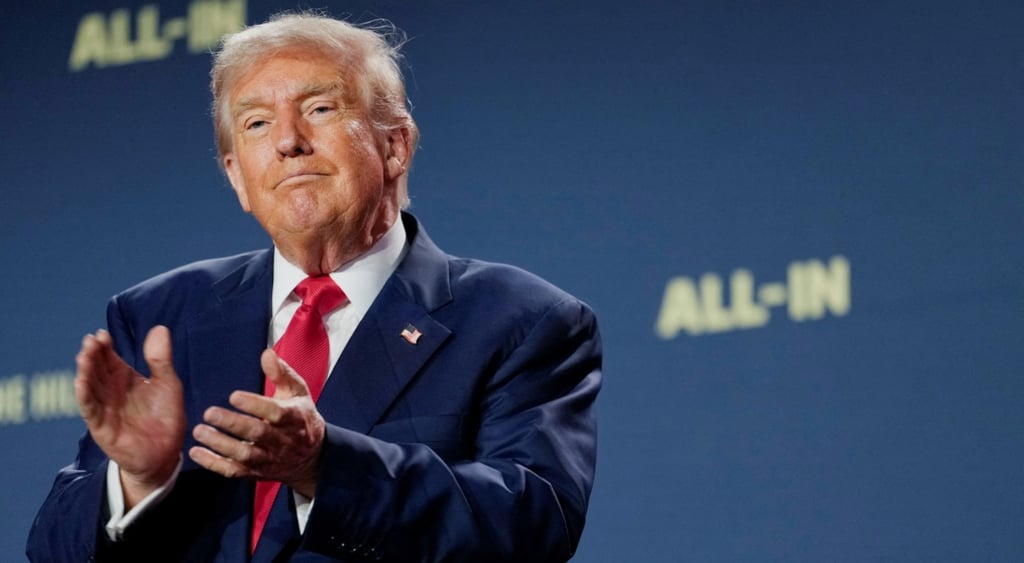
President Donald Trump is set to sign an executive order establishing a nationwide rulebook for artificial intelligence (AI), which would preempt individual states’ laws.

Image by Cybernews

President Donald Trump is set to sign an executive order establishing a nationwide rulebook for artificial intelligence (AI), which would preempt individual states’ laws.
In a post shared on Truth Social, Trump warned on Monday (December 9th) that the US may lose the AI race if all 50 states, some of which he referred to as “bad actors,” have different rules and approval processes.
“AI will be destroyed in its infancy,” the president wrote.
While Trump didn’t disclose any details, Reuters reported last month that the White House was considering an executive order that would seek to preempt state AI laws through lawsuits and by withholding federal funding.




Critics worry that the new law would favor tech companies, many of which supported Trump financially during the 2024 campaign. The administration has already demonstrated it would stand behind the tech giants.





After the European Union imposed a $140 fine on X social network for violating digital laws last week, top Trump officials joined Elon Musk’s tirade against the bloc.
AI regulation is currently left to individual states, which don’t always stand up against big tech. When signing AI legislation to protect children, California’s governor, Andrew Cuomo, stopped short of banning chatbots for the underage, likely due to industry pressure.
Industry insiders tell Cybernews that the federal rule could both weaken and strengthen AI oversight. Here’s the good, the bad, and the ugly of it.
The good: equal protection for all
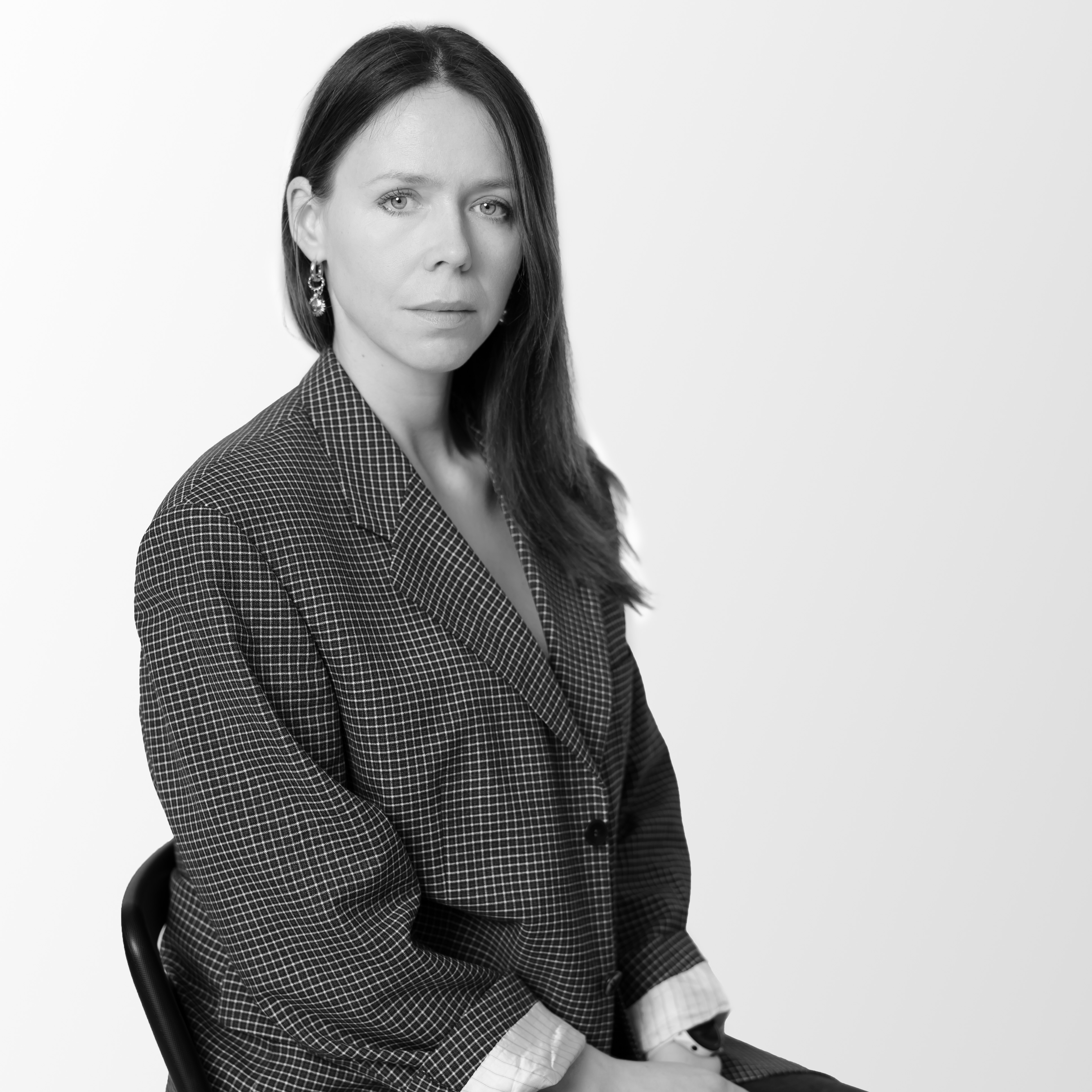
Lisa Martin, a technology analyst at Lisa Martin Media, says a national rule book for AI could enhance oversight by establishing consistent national standards for safety testing, transparency, and accountability.
“A strong federal framework could set a baseline, giving every user, regardless of location, the same rights and protections,” she says.
Moreover, a strong national law could empower federal agencies, such as the Department of Justice and the Federal Trade Commission, to investigate violations and enforce compliance more aggressively than many states currently can.
Trump has previously spoken against the risks of AI, including deepfakes potentially causing a nuclear war, while fully embracing AI-generated videos on his own social media.
However, the president's rhetoric is primarily focused on winning the AI race against China and aligns with the goals of big tech, suggesting that the national law will aim to accelerate innovation rather than make the technology safer.
Michael Bell, a founder and CEO at Suzu Labs, says a unified federal standard could eliminate friction stemming from tech companies facing 50 different state rulebooks, which he says drags on innovation velocity.
“Companies can build once and deploy everywhere. For users, this means faster access to AI-powered products and clearer expectations about how those tools work,” he says.
The bad: weakened oversight
Some worry that Trump's AI rule may thwart the progress in states with stronger regulations. Current states’ AI rules cover a wide range of risks – from algorithmic discrimination and deepfakes to chatbot use and disclosure of synthetic content.
David Sacks, the White House AI czar, wrote in an X post that the national AI rule would not affect generally applicable state laws regarding child safety, nor local infrastructure and federal copyright law.
He called the state laws regarding algorithmic discrimination “ideological meddling,” emphasizing that AI models should “strive for the truth and be ideologically unbiased.”
Martin says that if the national rule overrides robust state laws only to replace them with lighter, innovation-first standards, oversight could weaken across the country. Moreover, it would shift power entirely to federal regulators.
“If those regulators adopt a minimalist approach, users will be left with fewer safeguards, less control over how and where their data is used, and diminished recourse when AI systems cause harm,” she says.
The national AI rule could create a lot of uncertainty for users in the short term, according to Andrew Gamino-Cheong, CTO and co-founder of Trustible, a company that provides AI governance software.
Several AI laws are set to take effect next year, including those in Texas and Colorado, so lawsuits, injunctions, and rounds of appeals are likely and could take years to resolve.
Some states, including Florida, governed by Republican Ron DeSantis, have already signalled objections to the federal rule overriding state laws.
“The problem is that Congress hasn’t proposed any coherent regulatory scheme but instead just wanted to block states from doing anything for 10 years, which would be an AI amnesty,” the governor wrote on X.
The ugly: domination of the largest voices
Adnan Masood, a chief AI architect at UST, says an executive order alone can’t permanently displace state authority, so a long stretch of litigation is almost guaranteed.
He tells Cybernews, “When Washington centralizes control without guardrails, the loudest and largest industry voices tend to dominate – an outcome that rarely favors smaller innovators or user protections.”
Unlock Cybernews content on YouTube.