Crypto laundering service AudiA6 shut down, leaving ransomware gangs without crypto cleaner
A cryptocurrency laundering service trusted by ransomware gangs and that laundered around $890 million for criminals has been shut down.
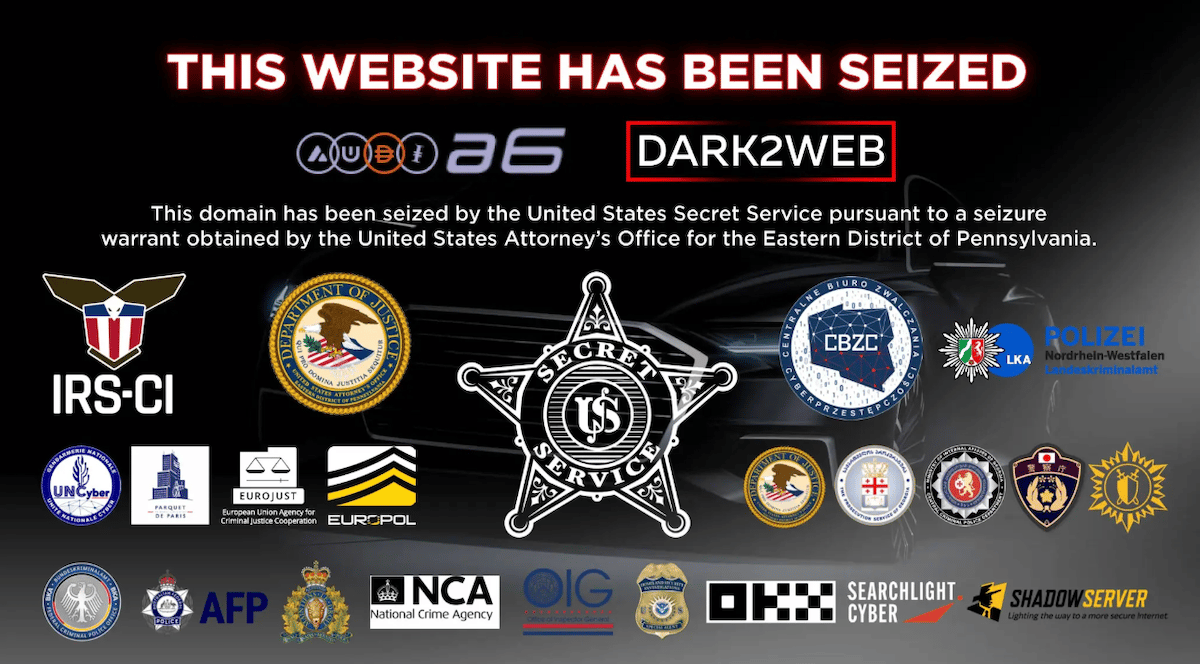
Image by Europol

 Follow us
A cryptocurrency laundering service trusted by ransomware gangs and that laundered around $890 million for criminals has been shut down.
- Authorities shut down AudiA6, a major cryptocurrency laundering service that allegedly cleaned about $890 million for criminal groups, including ransomware gangs.
- Europol and 11 partner agencies seized the platform’s website, took down 25 domains, searched three properties, and seized 30 servers tied to the operation.
- Law enforcement also seized more than 80 vehicles and multiple properties, froze about $730,000, and confiscated nearly $100,000 in cryptocurrency.
- Two suspected administrators, one Ukrainian and one Russian, were arrested in Georgia as part of the international crackdown.
- AudiA6 allegedly used stolen or purchased identities to open thousands of fraudulent exchange accounts, helping criminals turn stolen crypto into funds that appeared clean within about an hour.
Authorities from various countries collaborated to dismantle AudiA6, a cryptocurrency laundering pipeline used by cybercriminals everywhere.
Europol, along with 11 other agencies, has successfully seized the site, searched three properties, taken down 25 domains, and seized 30 servers.
Over 80 vehicles and multiple properties were seized, as well as freezing $730,000, and seizing almost $100,000 in cryptocurrency.






Telegram accounts used by the network have been blocked, and authorities plastered every clear and dark web site related to AudiA6 with a law enforcement seizure banner.
One Ukranian and one Russian suspect have been arrested in Georgia as they are potential administrators of AudiA6, which has been described by authorities as an “industrial-scale cryptocurrency laundering operation” that is built on a large web of deception.
The service is built on “thousands of fraudulent exchange accounts opened using stolen or purchased identities,” according to Europol.
The crypto laundering platform was linked to more than 15 other crimes, including ransomware and crypto theft, under investigation worldwide.
Criminals would reach out to admins via private messaging platforms so that they could have their money cleaned.
Customers would then transfer stolen or dirty crypto to wallets controlled by the admins, and in an hour, the criminals would receive “cleaned” funds through an intricate chain of transactions.






Unlock more exclusive Cybernews content on YouTube.