Dutch police and FBI take down website that was used for creating fake IDs
The Dutch National Police and the FBI have joined forces to dismantle VerifTools, one of the largest online platforms used to produce fake IDs.

Image by Cybernews.

 Follow us
The Dutch National Police and the FBI have joined forces to dismantle VerifTools, one of the largest online platforms used to produce fake IDs.
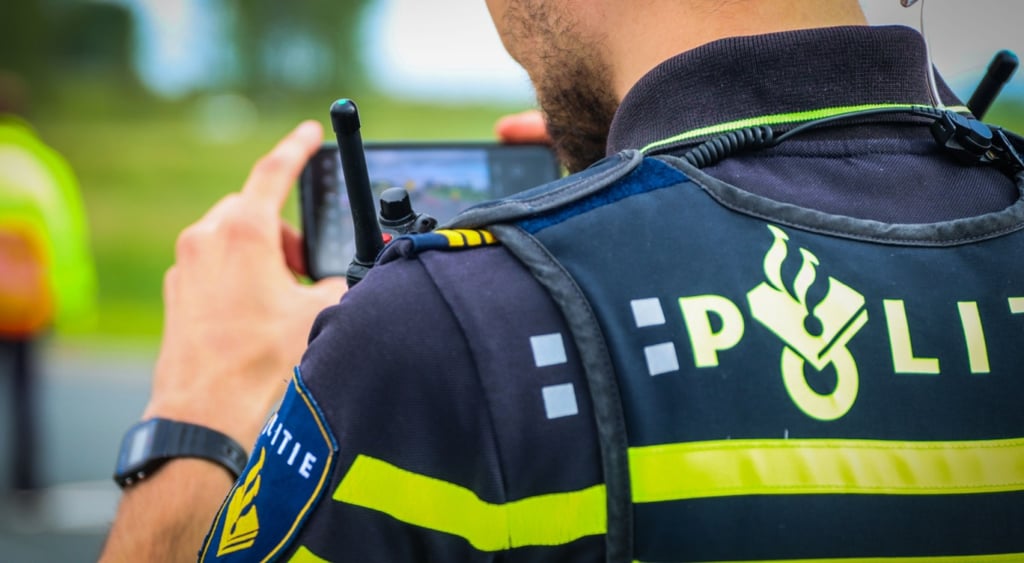
On August 27th, Dutch police officers of the Rotterdam Cybercrime Team raided a data center in Amsterdam, securing the data that was stored on two physical servers and 21 virtual servers. Officers hope to use this data to identify both the administrator and users of the platform.
VerifTools had customers from all over the world. The Dutch National Police estimates that the platform had a minimum turnover of €1.3 million, making it one of the largest providers of fake IDs out there.
Curious what others think about this story? Contribute your thoughts to the debate below




VerifTools was easily accessible via numerous URLs. For only a few euros, users could generate a fake ID from various countries on the site. All they had to do was upload a photo and enter false information. Then the platform would generate an image of a fake ID. Once payment was received, the image could be downloaded.
According to the Dutch National Police, VerifTools was often used to bypass a company’s Know Your Customer (KYC) policy. Companies such as crypto exchanges and banks, which require KYC, often only ask for an image of an ID. Thanks to VerifTools, a fake identity was easily made. The website was also used for tech support scams and phishing schemes.
Apart from fake IDs, VerifTools was also used to order false bank statements, invoices, residence permits, and more. Forgery, falsifying identity documents, or using false payment instruments carries a maximum prison sentence of six years.
“The impact of using this service is highly undermining and causes significant damage to banks and companies that use KYC verification. The police advise carefully examining and comparing IDs. Fake IDs often use the same background and a standard signature,” the Dutch National Police says in a public statement.
The FBI took the website offline. Users who now visit the site will see a so-called splash page, a page with a message stating that the platform has been seized by the authorities.