Build the unit Cinderelli, lay the tile Cinderelli, use AI Cinderelli
Meet your “heroes:” a new breed of tech CEOs who might be slightly less hardcore than Elon Musk.

By Cybernews

 Follow us
Meet your “heroes:” a new breed of tech CEOs who might be slightly less hardcore than Elon Musk. But you’ll do as you’re told, and you’ll be expected to work for them as if it were your own company. The one who speaks up is a rare bird, unless you count angry anonymous rants on social media.
When you lose the need to be liked, it sets you free. When you run a business – especially a publicly traded company – it’s inevitable that you’ll become an asshole in some people’s eyes. Most likely, it’s going to be your employees, as you’re trying to make an impression on (potential) investors.
Three companies and personas caught our eye this past week – a group of tech leaders who seem to be drawing inspiration from one another.
Elon Musk: moody, hardcore, and inspirational






Everything you need to know about work culture at Musk’s science-bending SpaceX can be found in Reentry, a captivating book by space journalist Eric Berger chronicling Musk's space odyssey.
This book can be read as a terrible testimony of the high cost that people had to pay to make the once reserved-for-sci-fi space travel come true. The book talks a lot about devoted people working 24/7, sleeping in the office, fearing being fired, and dealing with Musk, who, as you know, can often get moody and “pissed” at them.
I started my weekly rant with Musk because he inspired a whole generation of bosses (I say “bosses” because not all of them are leaders) who want you to treat the company as if you have a stake in it.
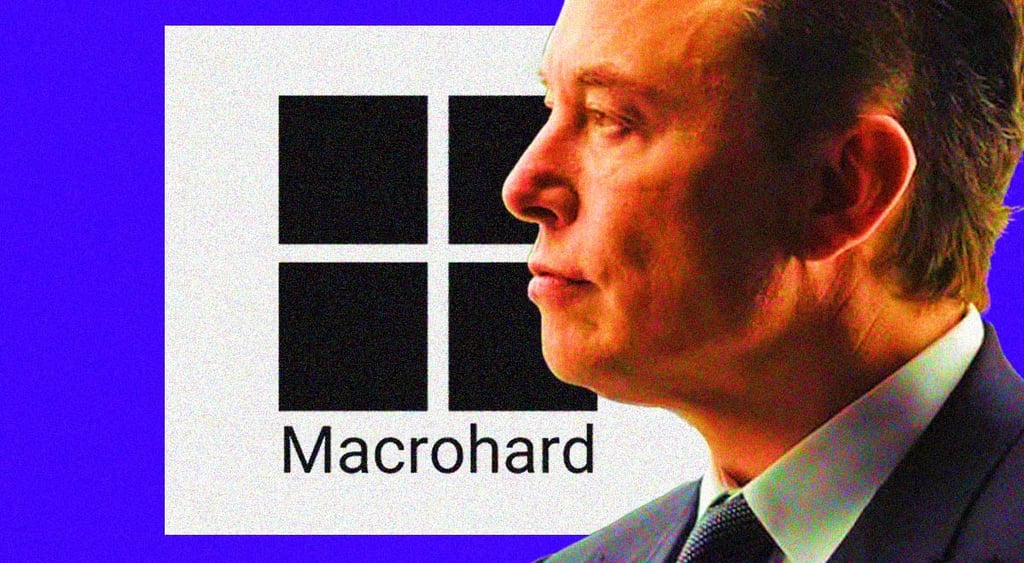
Now, he’s also launched Macrohard, an entity that’s supposed to take on Microsoft.
He was also once (and very briefly) in charge of a publicly-traded company (Twitter) before taking it private. And yet, privacy is not necessarily guaranteed for X users, as we’ve recently learned with Grok leaking thousands of sensitive conversations.
George Arison: a Musk-inspired innovator
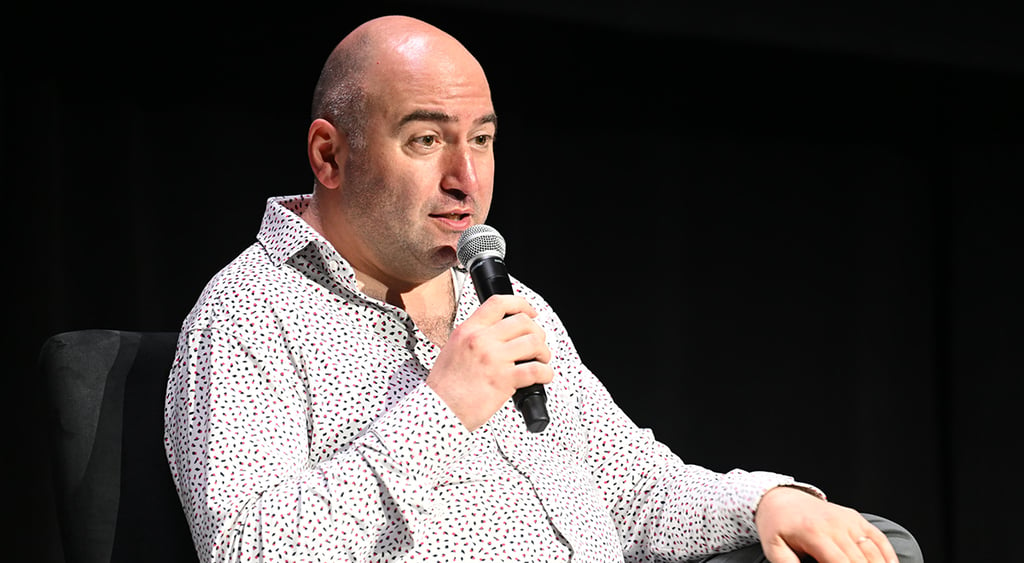
Sherwood News recently published an exclusive interview with George Arison, Grindr’s CEO, who has been with the company since 2022.
He spilled some tea on what’s next for the company, and it turns out that he’s leaning hard on AI, but not because he believes it is crucial for success. Arison says he wants to see how people interact with it, and only then will he be able to judge whether his AI bet pays off.
“What I do know is that our productivity has jumped massively over the last two years.” Two years ago, they started to come back to the office.
Arison said Grindr has a very “productive” work culture.
“There’s a bit of a hardcore nature to how I expect people to work. Not quite as hardcore as Elon Musk – I can’t try to do even near that level, but in that vein of operations,” Arison said.
Musk’s name came up a few more times during the interview, with Arison showing clear admiration for the man. “And – for whatever you think of him, his strengths and weaknesses – I think Elon Musk is among the most important entrepreneurs in human history, if not the most successful and important entrepreneur in human history.”
He also mentioned Coinbase and its leadership as another great example of how to run a business: “incredible to watch and very impressive”.




Coinbase’s Brian Armstrong: use AI, or you’re out
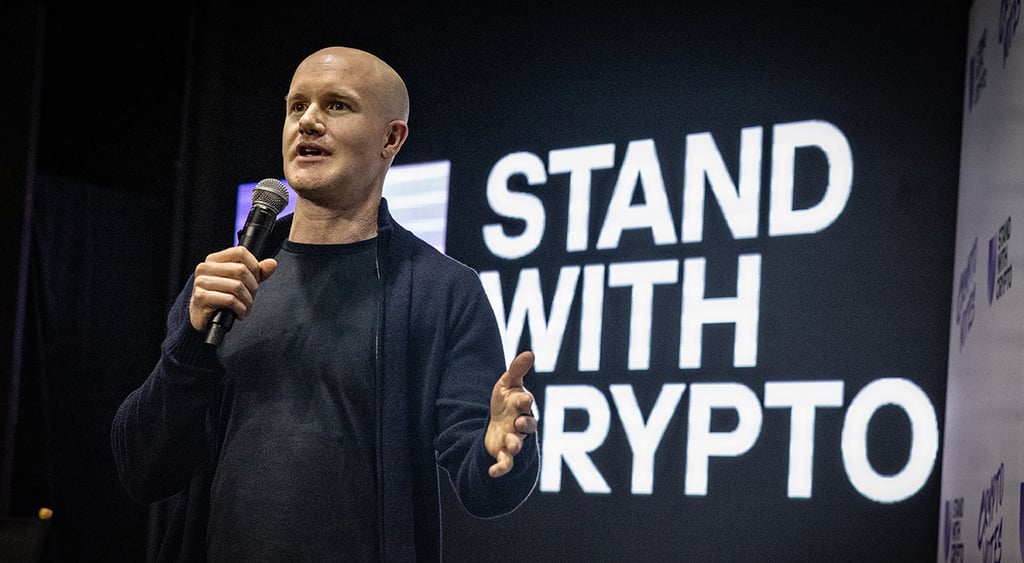
The Cheeky Pint podcast’s interview with Coinbase CEO Brian Armstrong was widely quoted in the media last week. Different outlets picked up on different things. We decided to highlight how Coinbase sniffs out North Korean “IT workers” trying to land a contract. Others, like TechCrunch, decided to focus on what Brian had to say about AI.
He mandated that all of his developers use AI. The ones who refused, he wanted to talk to personally.
“I went rogue. I was like, ‘AI is important, we need you all to learn it, at least onboard. You don’t have to use it every day until we do some training, but at least onboard by the end of the week. If not, I am hosting a meeting on Saturday with those who haven’t done it,” he said.
And so he did meet those employees. Some of them had a good reason for not using it. But others, according to Armstrong, didn’t.
“They got fired,” he said.
You may wonder what the “justifiable” reason is that people avoided being fired? Well, they were either on holiday or just coming back to the new reality, so they were cut some slack.
Other news in brief:
- Palantir Technologies is having a moment. Its stock has surged over 2,500% since early 2021. It recently posted its first $1 billion quarter. It's being talked about in the same breath as Nvidia and Microsoft. Read Why Palantir's success story is also a warning about government surveillance
- UFO whistleblowers say witnesses have been silenced and even murdered, according to a claim now drawing FBI attention. Inside the FBI’s darkest UAP case
- Delta Air Lines announced recently that it would expand its use of AI to provide individualized prices to customers. This move has sparked concern among consumers. Even if personalized pricing has been here for ages, it’s technology deciding what you’re going to pay this time – and that might translate into digital discrimination.
- Warning: the upcoming post-quantum encryption (PQC) changeover (to prevent a dreaded Q-Day apocalypse) could take as long as twelve years, say those who witnessed Y2K from the IT trenches. Should we be frightened? Probably, quantum insiders tell Cybernews.
- An extensive new study has revealed that cybersecurity training has practically no impact on the likelihood of falling victim to phishing.
CHECK OUT OUR NEWEST EDUTAINMENT VIDEO ON THE SOLARWINDS HACK