Iran strikes could shake Dubai’s billion-dollar influencer economy
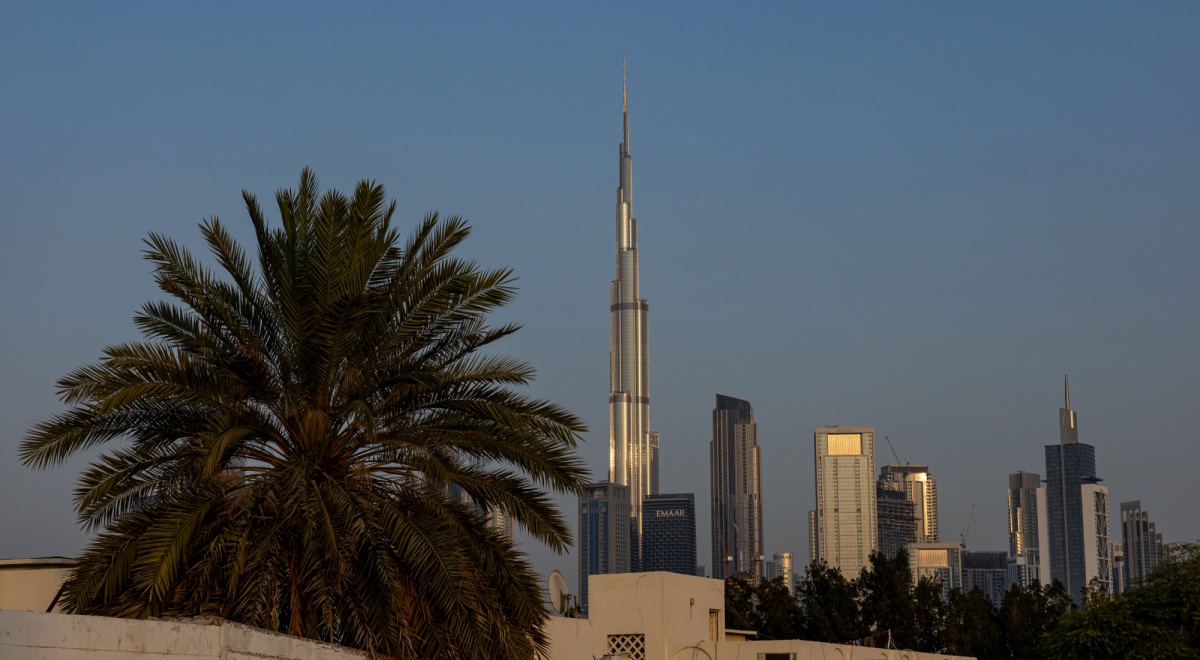
As Iranian strikes reach the Gulf countries, Dubai’s carefully curated influencer paradise is facing its biggest stress test yet. Can a luxury brand built on safety survive visible instability?
Bloomberg Via Getty Images

 Follow us
As Iranian strikes reach the Gulf countries, Dubai’s carefully curated influencer paradise is facing its biggest stress test yet. Can a luxury brand built on safety survive visible instability?
As war spreads across the Middle East, hundreds of thousands of people have been left stranded. The United Arab Emirates, among other places, remains in the crosshairs of Iranian strikes – with airports, hotels, and other locations hit.
The turmoil is also being felt among residents of Dubai, including those who enjoy an opulent lifestyle, such as aspirational social media influencers. Last week, Australian influencer Louise Starkey posted on her Instagram:
This is not fun, guys. We are supposed to be in the safest place. I love the UAE, I love being here. I feel so safe all the time, and now I can see it. Please just stop.
The post has since been removed amid strong backlash, with one responder labelling her “entitled” and “tone deaf.” Has the conflict effectively ended self-serving social media iconography in the Middle East?





Michael Kowal, assistant professor of computational social science at Stevens Institute of Technology, says that Dubai has become “a center of the billion-dollar influencer industry in the Middle East,” built on stability as spectacle.
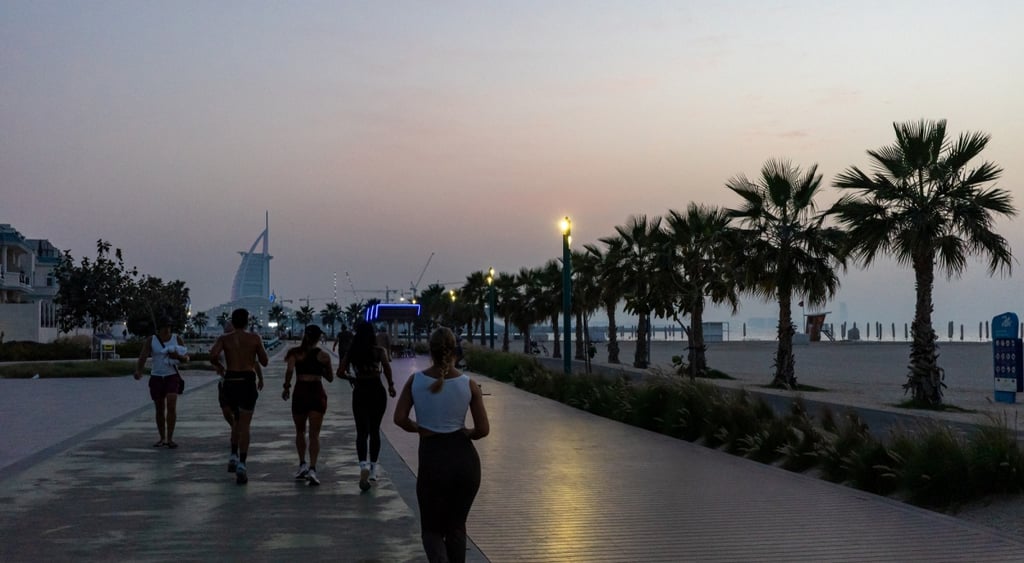
Dubai’s influencer economy runs on the projection of safety, luxury, and insulation from chaos, selling psychological security and glamorous lifestyles.
But when missiles streak across the skyline, that spectacle fractures in real time.
As Kowal sees it, if Dubai is seen as threatened, even temporarily, “it will cause financial ramifications in the short-term at least.”
War doesn’t stay offline
Conflict is not only about boots on the ground. It can also have a snowball effect on global economic markets, not only threatening obvious markets like big tech, but also digital subcultures such as real estate marketing influencers and tourism, for example.
Kowal points to the war in Ukraine as an unmistakable example, highlighting how the influencer economy has been blighted by four years of invasion.
“Ukraine was making strides in culture prewar, and a diversified and modern digital economy,” he explains, adding that “the war has severely hampered that image.”
Influencers and followers alike spend a lot of time doomscrolling, following war updates, as well as being duped by misinformation, or even being hooked into racketeering by duplicitous means.
By the same token, Russia, particularly Moscow, cultivated an image on social media of wealthy oligarchs flaunting their wealth, according to Kowal.
“The sanctions and seizures of yachts, foreign homes, and other assets have caused the engagement and influence of these elites on social media to drop,” Kowal says.
Russian state broadcaster RT News saw its reach shrink dramatically after the invasion of Ukraine, as Western governments and major platforms restricted or banned its accounts over disinformation concerns, along with its social media reach overseas.
Strong password generator

Short-term dip or permanent brand damage?
Kowal argues that geopolitical instability can permanently dent an aspirational brand.
He points to cartel violence in Puerto Vallarta and Guadalajara following the capture of El Mencho. The attacks shattered the perception that those cities were insulated from Mexico’s broader security crisis.
Guadalajara’s status as a World Cup host city complicates its rebranding efforts. Safety perceptions, once shaken, take time to restore, especially when a global event is approaching, and content creators are expected to arrive in force.






It will take a while before tourists and influencers alike feel safe, Kowal suggests. In the short term, the brand has clearly been damaged.
“Dubai will probably see a dip in the influencer economy in the coming months and maybe even years,” he says.
The Cybernews community is talking about this. Be a part of the conversation.
Yet Dubai holds structural advantages. Concentrated wealth, global capital flows, and lucrative tax incentives give it tools many cities lack.
“They will use their wealth to promote and draw influencers back,” Kowal says.