Gen Z didn’t grow up with slow: how AI, TikTok, and Discord reshape attention
TikTok, Discord, ChatGPT, 1.5x speed. Gen Z grew up at a fast pace, and now they're crushing slow brands, dodging ads like antibodies, and rewiring tech at warp speed. Keep up or get left in the dust.

Image by Cybernews

 Follow us
TikTok, Discord, ChatGPT, 1.5x speed. Gen Z grew up at a fast pace, and now they're crushing slow brands, dodging ads like antibodies, and rewiring tech at warp speed. Keep up or get left in the dust.
Last week, an autotuned power-pop album came out by an appropriately-named Gen Z band called “underscores.” It received gleaming, hyped-up reviews.
At the ripe age of 42, I streamed in on Friday to try to make sense of it all. What I found was that it was brisk, melodic, and certainly shapeshifting, but it felt like there was no real cohesion, plus I hate autotuned vocals.
Browsing the comments of a music aggregator, I came across this:
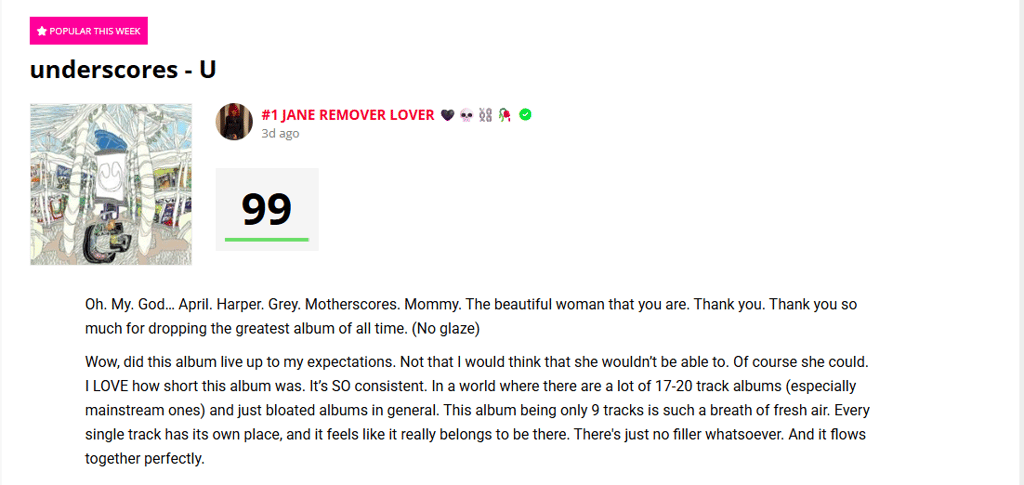






I wondered if I used to be so hyperbolic when I was in my prime. When I combed over my old social media posts of yesteryear, apparently, I was.
No time to go slow
I wondered if modern tech was the reason why Gen Z is so fast-paced. Was this instant, ever-shifting shape of thought influenced by tech trends, or do Gen Z shape the shifts themselves?
“Gen Z didn’t grow up with slow,” explains Justin Corres, AI-driven paid media strategist and Chief Marketing Officer (CMO) of a leading Amazon and retail media marketing agency.
“They’re the generation that was raised with fast internet, fast devices, and fast content.”
It’s a fair observation, especially considering that I would associate the word “curate,” for example, with an art dealer, not a Spotify year-end list.
“It’s completely different from the generation before them that grew up with dial-up internet, analog phones, and commercials on TV,” added Corres, bringing me back again to a clear distinction between being online and offline.
Gen Z’s “quickness to change” makes them trendsetters in adopting new tech before other generations. Corres mentions their rapid adoption of AI tools like ChatGPT and productivity apps like Notion, along with concrete examples such as TikTok, Snapchat, and Discord.
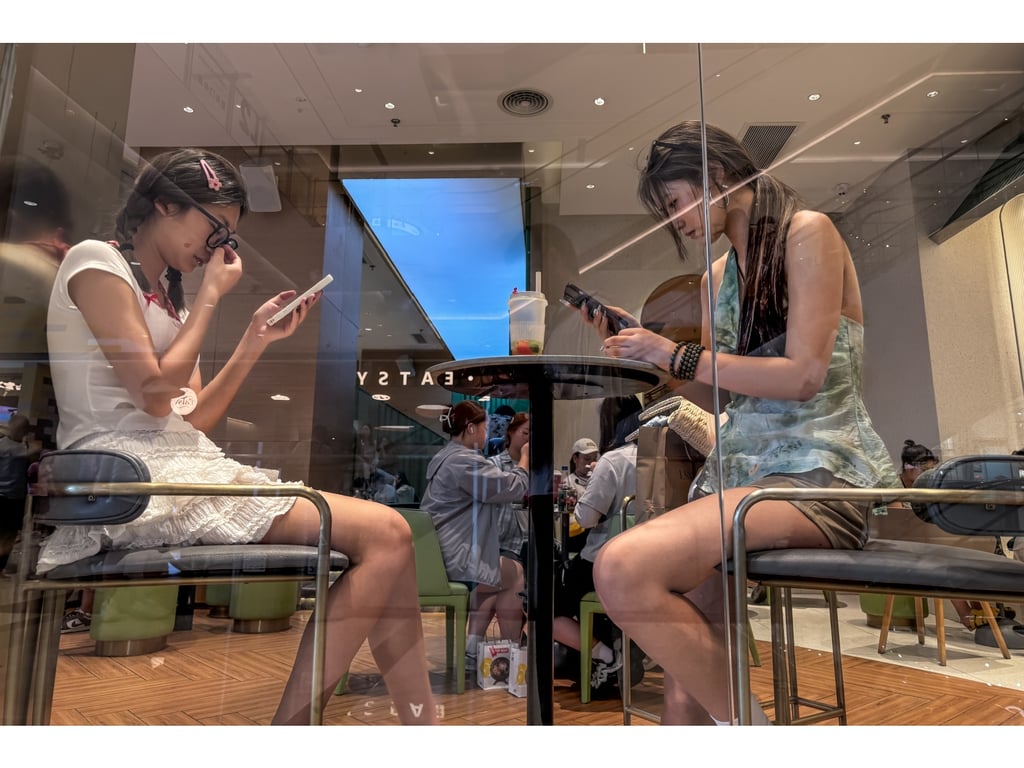
While older generations use Facebook Groups or Reddit for community, Gen Z has migrated to Discord. They prefer the real-time, ad-free, semi-private "servers" over the algorithmic chaos of a Facebook feed.
Originally built a decade ago for trading League of Legends tactics, the platform is now often used as a modern "study hall."
Millions of students use it for group projects, language learning, and tutoring, with YouTubers and influencers also harnessing it to host private "VIP" communities for their fans, replacing older forum styles.
I remember going back six or seven years ago, exasperated by a 17-year-old student who asked me to play a TED Talk at 1.5x speed. I thought he was joking. He wasn’t, and he made no bones in telling me it was too long.
This habit was definitely predicated by Student Z (who will remain nameless) and his peers.
“What Gen Z starts doing today, everyone else starts doing a few years afterwards,” explained Corres, “short-form video, voice search, and social commerce were all started by Gen Z years before mass adoption.”
Strong password generator

Curating at lightning speed
And that presents traditional marketers with a huge challenge. A millennial marketer might spend hours trying to target Gen Z consumers, but aggressive plays are not for them.
“For Gen Z, it’s much more challenging for marketers and advertisers to grab their attention because traditional ways don’t work well with them,” Corres said.
“They use ad blockers, instinctively skip pre-roll and in-stream ads, and have strong ‘antibodies’ to overt marketing.”
This resistance to the obvious comes with a curiosity for discovery. A platform like Roblox has become a massive commerce hub. Gen Z spends hours in digital worlds where "status" is defined by digital skins or items. If a fashion or racing company wants to be the coolest, then Gucci or Hyundai should literally get their skin in the game.
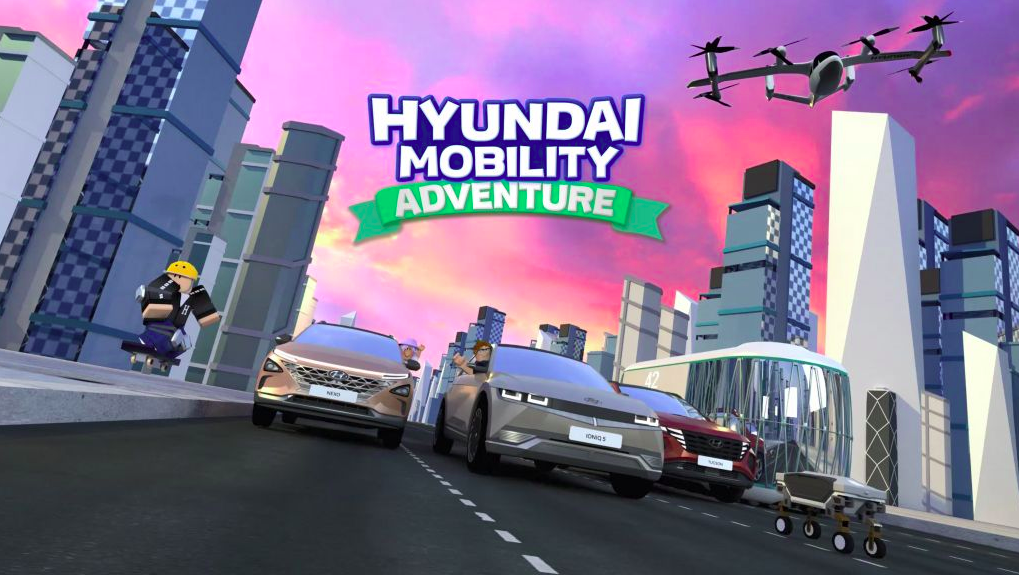
“Companies are generally leaning more towards asking direct questions to their communities in order to get feedback,” Corres explains.
A beauty brand like Glossier can ask on an Instagram story which feature to use on its glow serum. And big brands like Nike or Starbucks can have highly interactive design or flavor standoffs in live voting.
And when Gen Z has questions, they won’t hesitate to use AI. If the next available slot to see a doctor is weeks away, it would make more sense to ask whether you really need to see a dermatologist or if you could just use hydrocortisone, where a pharmaceutical company could take the lead.
“Brands structure their advertising and data to build ‘machine confidence’ with AI systems that increasingly influence purchasing decisions,” says Corres.
Everything they touch seems to accelerate, from TikTok trends to productivity apps. Maybe the problem before wasn't the album – maybe it’s that I’m still listening at 1x speed.