If I were a man, would you trust me more?
Or, would I trust myself more if I were a man?

 Follow us
Or, would I trust myself more if I were a man?
LinkedIn says its algorithm doesn’t prefer posts by women over those made by men, denying a viral claim made by a user who said her views soared after she changed her gender to male on the platform. But honestly, if I were a male chief editor in charge of cybersecurity, do you think my voice would be more convincing?
I can only hope that what LinkedIn is saying is true and that the algorithm doesn’t discriminate based on gender (or anything else).
However, when I first learned about the story, I wasn’t surprised. To this day, we live by very different standards. It’s not gender alone that sets us apart anymore, but rather the stereotypes and cultural norms ingrained in us.
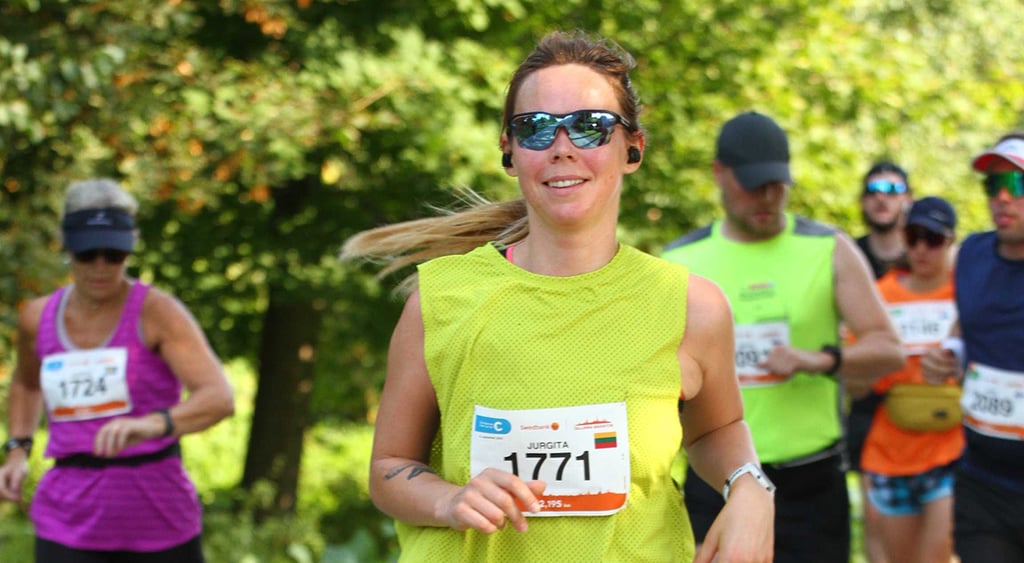
I was raised to be a proud and self-sufficient girl, but also to know my place. I may be self-sufficient and nothing more, but I don’t defy those stereotypes. Even though they don’t align with my beliefs, I tend to question my capabilities, my intellect, and my perseverance. I even ran a marathon just to boost my confidence.



I know I can succeed, but there’s a malicious seed inside me, constantly nagging with the question, “Should I?”
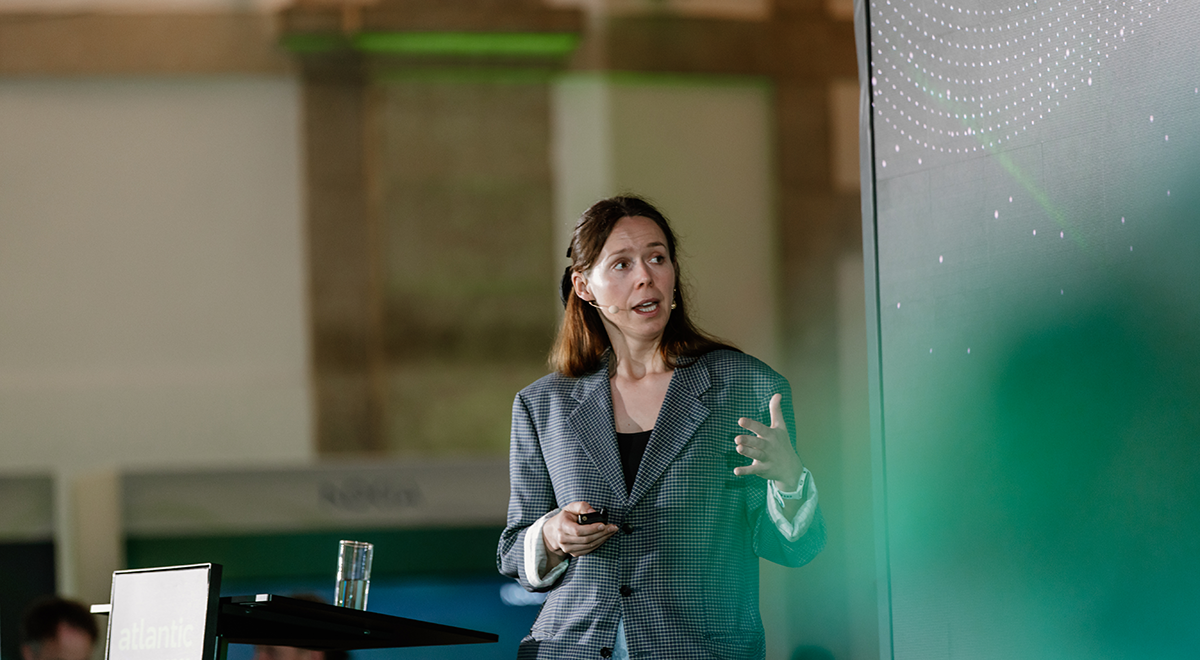
I recently went to the Atlantic Convergence conference in Lisbon to deliver a presentation on some of Cybernews’ more in-depth work. While I knew my subject well and was thoroughly prepared, I felt somewhat intimidated by the presence of so many C-level executives. What could I say to earn their attention? I felt overprepared, yet somehow not worthy of that stage.
So the question begs to be asked: if I don’t believe in myself, how am I supposed to convince anyone else?
I won’t compare myself to a man. Many of them are more delicate human beings than I am, and bless them.
BUT.
Algorithms tend to prioritize men because we come from a white male-dominant world, where the footsteps of men are recorded as the history of humankind. As a result, everything we know today, including what algorithms know, is based on that history. Algorithms simply hold a mirror to our ugly past and flawed present.
Trust me when I say these are five excellent reads crafted by our team this past week.
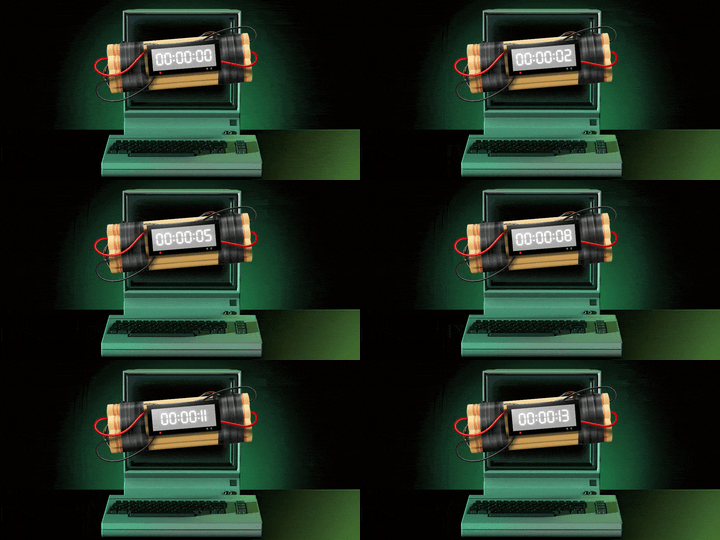
- Despite growing evidence that AI is displacing workers, new research reveals a striking disconnect: while people acknowledge automation will transform the job market, they remain stubbornly confident it won't affect them personally. This optimism may leave societies dangerously unprepared for the disruption ahead.
- Imagine a scenario in which a startup called CompanionshipAI markets its “virtual friend” chatbot to elderly users as a source of comfort and cognitive stimulation. Over the course of months of conversations, users share personal memories, health concerns, and family stories, and all of these are quietly logged, along with device fingerprints and timestamps. One day, the illusion of privacy shatters.
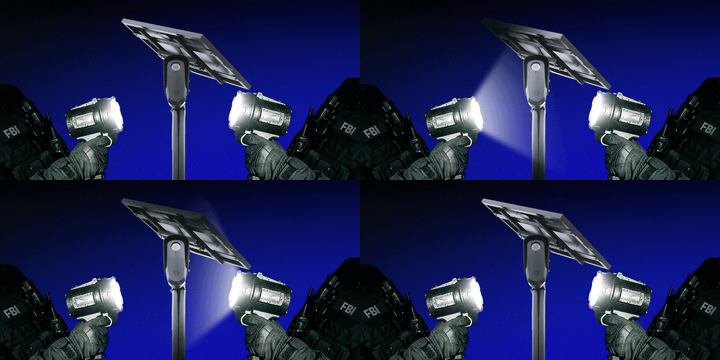
- Owning a Samsung in London won’t help you avoid getting mugged, but it may save you from having to buy a new smartphone.
- The deepfake fraud wave has arrived, and its most dangerous hour might surprise you…
- Fiction writers are increasingly pessimistic about being replaced by generative artificial intelligence (AI), with many already experiencing a loss in income due to the technology.
Also, check out our new hacking documentary on YouTube.
