Musk might be the villain, but what he’s doing with Neuralink will probably make you cry
While the world burns, Elon Musk is changing lives. Whether you love or hate him, the billionaire’s dream of telepathy is giving back to those who need it most.

Elon Musk by Getty/WPA Pool

 Follow us
While the world burns, Elon Musk is changing lives. Whether you love or hate him, the billionaire’s dream of telepathy is giving back to those who need it most.
The world is constantly judging leaders in big tech, with some people taking their hatred of technological advancement to new extremes.
Just recently, OpenAI CEO Sam Altman’s home was targeted by gunfire and a Molotov cocktail.
While there’s no official motive, the suspect responsible for throwing the Molotov cocktail seems to have been driven by their hatred of AI.
Change can be scary, particularly with the influx of fear-mongering headlines that seem to guarantee a chatbot uprising and AI displacement.





But some of the big tech “bad guys” are doing some really good things with artificial intelligence.
Every villain has their moment
Mary Shelley once said, “The story of villains is much more entertaining than the story of heroes, because monsters are not born, they are made."
This reminded me of Musk, whose story is constantly followed by thousands, if not millions, of people worldwide.
Musk is an imperfect person with his X (formerly Twitter) rants about Britain and other nations he has no business being involved with, along with his unrelenting opinions on whatever he opposes at the time.
While this can be infuriating to watch, it just proves that Musk, like everyone else, is a flip-floppy human.
It’s quite easy to paint Musk as a one-dimensional villain. But in every good story, the villain must show humility and empathy, even if just for a moment.
Think Darth Vader or The Grinch.
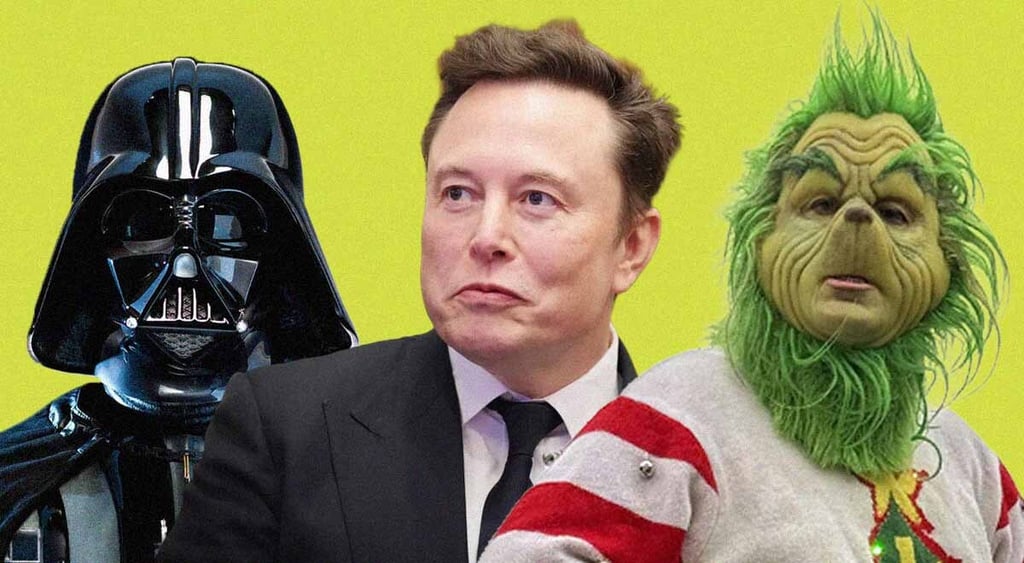
Yes, Musk may live high upon a hill, and his heart may be two sizes too small, but, in the end, he is (sometimes) using his power for good.
Meet Kenneth, the man who is mastering telepathy
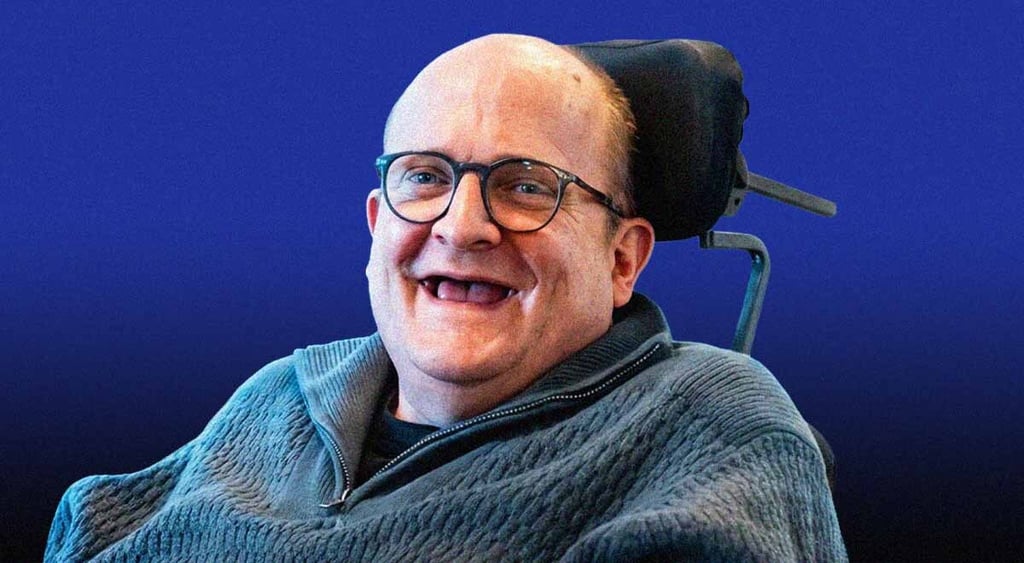
Kenneth Schock has ALS and “has been losing his ability to move and speak,” according to Neuralink.
However, Musk’s brain-computer interface technology is currently being tested to see if it can “help translate neural signals into life-changing impact.”
In the video, Kenneth is shown talking to his family and researchers through a laptop. The tech seems to be decoding neural signals and translating them into spoken language.
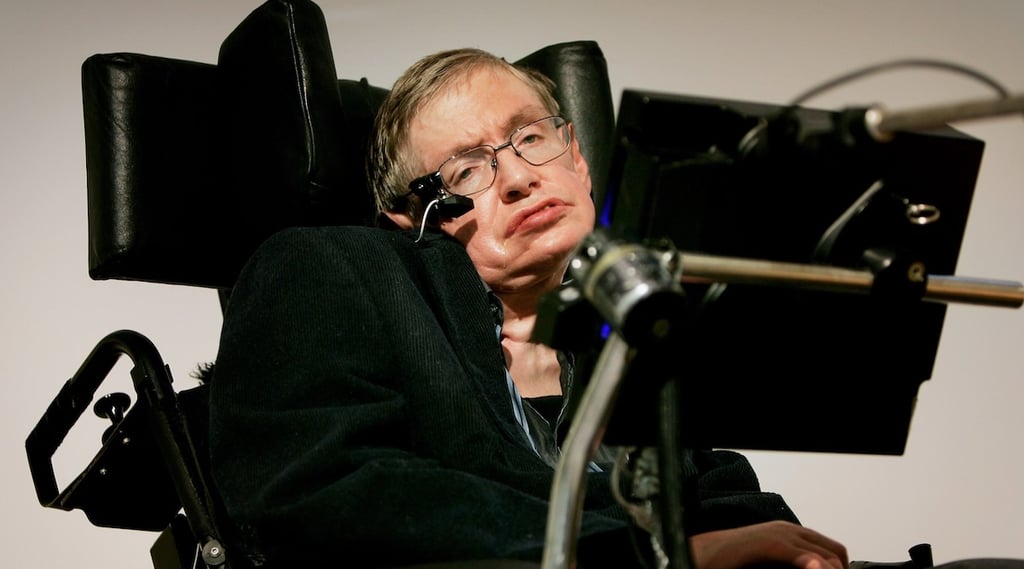
While the English physicist Stephen Hawking communicated through software that allowed him to form sentences by scrolling a list of words, what Musk is doing is seemingly magic.
What they’re calling “conceptual consensual telepathy” uses imagined speech decoding, which translates thoughts into speech.
This is achieved through a brain-computer interface, or Neuralink chip, implanted in Kenneth’s brain.
Kenneth’s wife got to hear him say “I love you” for the first time in 4 years.
What is ALS?
ALS (Amyotrophic lateral sclerosis), otherwise known as Lou Gehrig's disease, is a degenerative disease that attacks motor neurons in the brain and spinal cord.
The life expectancy for a person with ALS is generally short, between two and five years from when symptoms start.
However, Stephen Hawking managed to live a long (and now controversial) life following his diagnosis.
ALS is regarded as a fatal neurodegenerative disease, meaning there is currently no cure.
Technologists aren’t looking to cure the disease. Instead, they’re looking to help those afflicted with debilitating symptoms associated with ALS.
As it's a degenerative disease, ALS attacks vital areas responsible for motor function, leading to paralysis, inability to speak and swallow, and eventually, death.
One of the many heartbreaking things about ALS is that it doesn’t affect sensory neurons or mental capabilities, meaning that those affected can feel pain and think clearly, just like someone without ALS.






Unlock more exclusive Cybernews content on YouTube.