Us, the marionettes
Mental exhaustion makes us easy prey for those who can’t wait to make decisions for us.


 Follow us
Over 35,000: that's how many decisions an average person makes every day. Mental exhaustion makes us easy prey for those who can’t wait to make decisions for us.
How many of you dread a movie night because it often means two hours of endless scrolling through Netflix, only to fall asleep half an hour into the movie?
I do. Therefore, I don’t turn on the TV unless I already know what I am going to watch.
Often, the streamer's suggestions on what to watch – depending on genre or what others are watching – come in handy. That way, we even find something to bond over the next day at the water cooler or coffee machine.
However, if you look a little deeper, we’re essentially letting the algorithm select the content we consume for us. And that, in a way, may even take control over our minds to some extent.
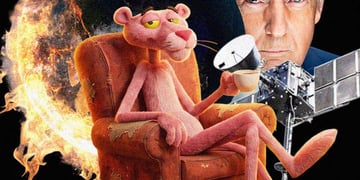




But this still seems harmless compared to the content we are being fed through YouTube, TikTok, and Instagram, to name just a few of the most invasive algorithms.
YouTube, for example, is infested with low-quality videos generated by AI. The top AI slop channel, Bandar Apna Dost, features a monkey in various human situations and has garnered over two billion views, earning the channel more than $4 million annually.
When you watch, the money comes straight from your pocket. In many cases, this seems rather innocent – they're simply after our money.
On TikTok, hate speech is what trends. Over 43,000 videos depicting young girls glorifying dysmorphic and extremely skinny bodies, females being sexually assaulted, and videos depicting derogatory stereotypes about Jewish people and immigrants, as well as other racist content, got 4.5 billion views.
Doesn’t seem so harmless now, does it? And why do we watch it?
It's our inability to look away and make yet another – the 35,001st – decision on what content to consume. It is easy to get drawn into this endless whirlpool of video content, which can begin quite innocently, from watching a dog nursing a kitten.
The stronger the emotion the piece of content provokes – "ragebait," the word of the year, aptly describes the internet – the more inclined we are to watch it, and the more inclined the algorithm is to recommend it. That's how Hitler speeches end up trending on social media, and Hitler glorification surges – the algorithm seems to think we like it, and, naturally, suggests more such content to us.
By not looking away, we become the puppets, the marionettes, where invisible digital strings guide us.
In the wrong hands, this can easily become a means of control.
But we should know better than to allow anyone to take control of our minds. As a nation, we Lithuanians were dumbed down by the Russians – intellectuals and bright-minded people were sent to Siberia, and people turned to alcohol so they wouldn't think for themselves.
Heavy is the crown (of thinking for yourself.)





