No, you have not imagined it: your favorite video gaming sites are being turned into casino spam. Here’s why.
Notice how once-respected video game and tech sites are filling up with casino and crypto spam? This “pivot” is deliberate, a new investigation reveals, as “SEO parasites” move in, buy up trusted websites, strip out the journalism, and furnish them with AI slop.

Image by Cybernews

 Follow us
Notice how once-respected video game and tech sites are filling up with casino and crypto spam? This “pivot” is deliberate, a new investigation reveals, as “SEO parasites” move in, buy up trusted websites, strip out the journalism, and furnish them with AI slop.
According to a new investigation by the UK’s journalist bible Press Gazette, the aim is to convert site visitors into “players” as they direct them towards offshore, high-margin gambling sites.






Because the purpose is purely SEO-driven, humans are no longer deemed necessary, with AI “journalists” slowly replacing their human counterparts to produce articles packed with links to offshore gambling websites.
The investigation, published on Wednesday, focuses mainly on a firm called Clickout Media, which Press Gazette alleges is buying up established websites and repurposing them for what’s widely known as “parasite SEO.”






The reporting by journalist Rob Waugh points to gaming and tech sites among those acquired and repurposed, including The Escapist – a long-running video game publication that has since pivoted towards casino content – and Techopedia, a consumer tech site with strong Google rankings that has been used as little more than a receptacle to drive gambling and crypto traffic.
Deindexed by Google, ditched by new owners
Last month, Press Gazette exposed how journalists on another title, Videogamer, have been replaced by AI.
Now the trade site for journalists has exposed ClickOut’s business model.
Hundreds of sites are acquired, with some – but not all – of the journalists then fired and replaced with AI. The transition tends to be incremental. The branding stays the same. Old articles remain, and the site still appears in Google results.
But gradually, the mix of articles changes. Guides to video games sit alongside – or are replaced by – lists of the “best online casinos” or betting platforms.

Much of this content is designed for search engines rather than loyal audiences, meaning it appears via Google queries rather than on a homepage. The result is that while the site looks familiar, its purpose has shifted.
Some real journalists are kept on to retain the facade of credibility.
Speaking anonymously to Press Gazette, one former Clickout Media employee said: “I was moved from site to site. Writing guidelines and strategies changed every other week with very little explanation. At first, I didn’t write casino content, but then I wrote articles on bets and odds. Then AI articles started appearing.”
Eventually, Google detects that something is off, and the sites are ultimately “killed” once their search performance declines or penalties are met.

Check if your data was exposed
Find out if your email and related personal information have appeared in known data breaches.
Techopedia was penalized in 2024 for what Google refers to as “reputation abuse” and now cannot be found even with a search for its name.
It has been reported that Google may have removed Esports Insider from its index after its takeover by Clickout Media.
Waugh adds that the recently purchased title Videogamer appears to have been de-indexed in recent days, with many staff losing their jobs.
Charities and social enterprises now a target
The scope of SEO parasites is now reported to be widening to include charities and public-interest organizations, with targets including children’s cancer charity the Charlie Gard Foundation, which has been turned into a site advertising offshore casinos
Another charity site, Road to Peace, set up by car accident charity Brake, now redirects to online casinos.
Cybernews has reached out to Clickout Media for a right of reply.
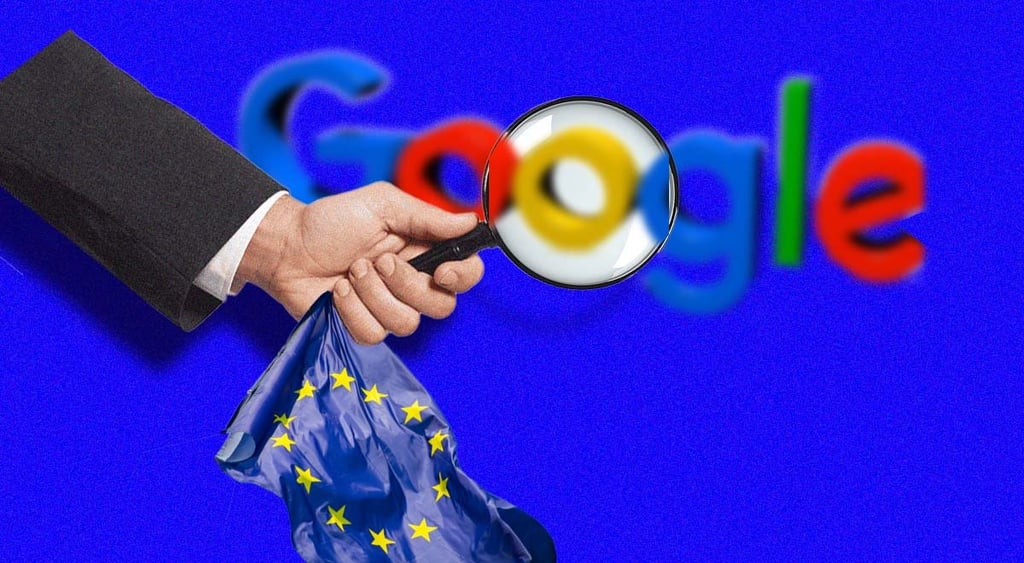
Elsewhere, Google’s “site reputation abuse” policy has come under fire recently with accusations that it appears to deprive “a common and legitimate way for publishers to monetize their websites and content.”
The EU is currently conducting an investigation, which it said should conclude later this year.
Unlock more exclusive Cybernews content on YouTube.