Child's play: how companies mask gambling for kids

Image by Cybernews

 Follow us
Many online games and popular toys seem innocent at first glance. Aside from some concerns about the violent content, most parents are usually clueless about a far more serious threat – gambling systems disguised as entertainment for young audiences.
These systems are designed to look like part of the game, but they are introducing children to the psychological highs of gambling, well before they are allowed to set foot in a casino. In this article, I explore how companies use addictive formulas that exist in a legal gray zone, how this is normalizing gambling, and what parents can do to protect their children.
- Gaming is nearly universal among children, with over 90% playing regularly.
- Free-to-play games, in-game purchases, loot boxes, and mystery crates can expose kids to gambling-like mechanics.
- Private Minecraft servers and unregulated Roblox casinos have shown how real money and virtual currencies can be exploited.
- Streaming, social media, and in-game events normalize gambling and make it appear glamorous.
- Parents should monitor gameplay, spending, and online behavior to reduce risk.
Why gambling thrives in online gaming
Gaming is becoming more accessible than ever before, which increases its popularity among kids, with more than 90% of children older than 2 playing video games. They are available on any phone, tablet, or computer. This means children can play anywhere – on the bus, during class breaks, or whenever boredom strikes.

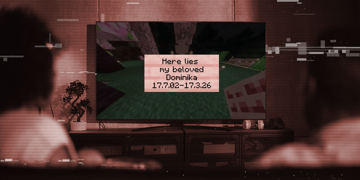
The free-to-play model is also a significant motivator for young players to start gaming. But while most popular games are free to download and play, this creates the perfect system for in-game purchases and gambling systems to thrive. For example, in Roblox, where the average player spends about $17/month, an estimated 40% of users are under the age of 13.
And the industry as a whole is constantly growing. Loot boxes are expected to generate $20.3 billion in revenue by the end of 2025. What started as simple play has evolved into a massive, always-on economy built to keep players engaged and spending. For many young players, this becomes their first exposure to gambling-like behavior, even if it looks harmless.
How games hide gambling in plain sight
Companies are not only becoming smarter by the day, and hiring psychologists to make games more addictive – they’re also becoming more and more money-hungry.
Many companies design fun games that mimic gambling, but manage to escape regulations. They stay outside gambling laws and restrictions because players don’t win money. However, the structure is similar – you pay for a chance to win something valuable, which can usually be exchanged for money via third-party services.
These disguised forms of gambling appear as loot boxes, mystery boxes, or random rewards. Players have to spend real money to unlock an item, without knowing what they’ll get. Sometimes, it’s a rare item that can be worth hundreds of thousands, like the Karambit | Case Hardened (Pattern #387), which reportedly received an offer of $1.5 million that was turned down. However, in most cases, it’s something common and worthless. This unpredictability is exactly what keeps players hooked.
On Minecraft, private servers often use a pay-to-win system that works like loot boxes. Players buy crate keys with real money, then open them to receive random rewards. Mojang, the developer of Minecraft, bans selling gameplay advantages, but the enforcement is too weak to control this.
The problem is even more widespread in Roblox, where illegal, unlicensed casinos have actively targeted children as young as 12. Players are tricked into connecting their Roblox accounts to external sites, with no effective age verification. The casino then takes the player’s Robux and exchanges it for virtual chips. After gambling, the winnings can be converted into cryptocurrency and withdrawn as cash. This created an unregulated gambling loop that bypasses Roblox’s safety system.
Counter-Strike 2 also uses gambling-like mechanics, including loot boxes and skin roulette, where players spend money for a chance at rare in-game skins. Some of these skins can sell for thousands of dollars, creating a high-stakes environment similar to Roblox or Minecraft.
All of these examples show the same trend: games are designed to make players chase random rewards, often blurring the line between play and gambling.
How influencers and platforms fuel this addiction
Companies and influencers know exactly how to make these systems appealing to young audiences. They use familiar faces, flashy events, and in-game rewards to keep kids engaged.
Games like Fortnite have mastered this approach by hosting massive in-game events such as Travis Scott’s Astronomical concert in 2020 or Remix: The Finale hosted in 2024, which makes gaming even more entertaining. These events and initiatives help children build emotional attachment to the platform, making players spend more time and money on it.
Streaming has also been a big influence in normalizing gambling-like behavior. Platforms like Twitch and Kick feature streamers opening loot boxes, card packs, or even gambling live on stream. Watching someone win a rare item creates the same excitement and curiosity, encouraging kids to try it themselves, often without realizing they’re engaging in behavior similar to gambling.
Social media and in-game ads amplify this effect. Gambling sites like Rainbet and Stake are flooding Instagram and other platforms with random clips featuring their logos, paying video creators per view to spread content. These clips often look like regular gaming or entertainment videos, making the gambling feel glamorous and harmless while subtly promoting risky behavior.
The loopholes that enable underage gambling
Gambling laws are built on a clear legal definition: a person must risk consideration (money) for a chance to win a prize (something of value). Companies that build gambling-like systems for children have become experts at exploiting the legal definitions of consideration and prize.
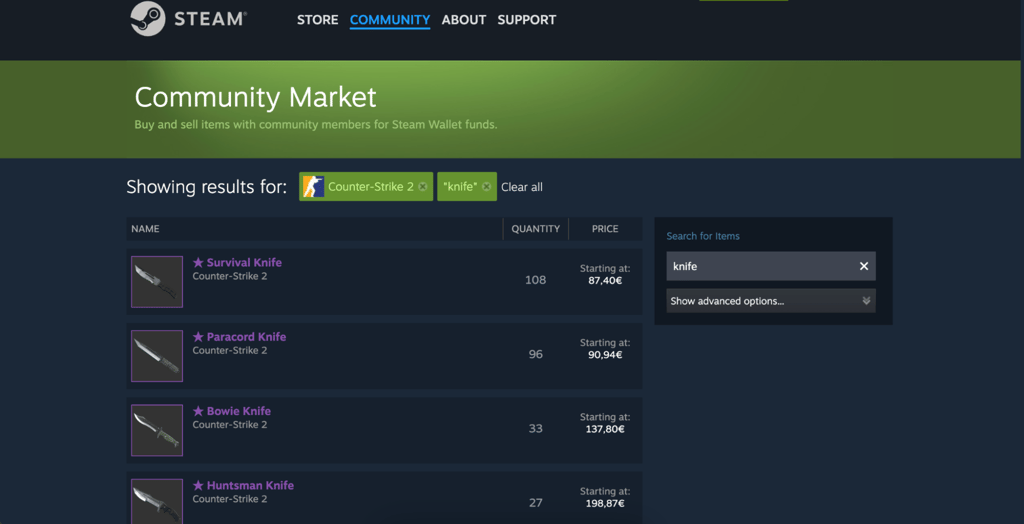
The most common loophole is the argument that a player gets no real-world value from the winnings. Companies claim that because you can’t cash out your winnings inside the game, it’s not legally considered gambling. However, everyone knows that these items have value, which can be established on third-party marketplaces, such as steamcommunity.com. The game companies claim these sites are unauthorized, yet they still benefit from the massive hype this economy creates.
Another common loophole is the “third-party” shield. It allows platforms like Roblox to dodge responsibility, as it doesn’t run the casinos directly. Roblox still earns money from Robux sales, while the operators take the legal hit.

Among mobile games, the no purchase necessary excuse is the most common. They claim that because you can technically earn loot boxes for free, by logging in daily or watching ads, it’s not gambling – just a sweepstakes. In reality, the games make the free route so slow and annoying that most players end up paying real money to skip the wait.
And lastly, there’s the fake age check – the easiest loophole of all. Many illegal Roblox casinos and gambling sites simply ask, “Are you over 18?” and let anyone click Yes, without additional verification. This cover lets operators pretend they’re following the rules while kids as young as 11 gamble freely behind it.
Casinos in the toy aisle
This problem is not limited to digital screens. The same gambling system has exploded in the real world, most notably in the toy market.
The recent Labubu craze is the perfect example. Brands like Pop Mart often sell these popular figures in mystery boxes, so the customer doesn’t know what is inside. They are paying for a chance to win a rare figure, while most boxes contain a common one, which is much less desirable.

What makes it even more intense is the resale market. Some rare Labubus that cost around $15 can sell online for as much as $150,000. The same pattern has occurred with L.O.L. Surprise! dolls and trading card packs. All of these toys teach kids the same lesson as Roblox or Minecraft casinos: spending money for a random outcome is thrilling, and sometimes even profitable.
Real-world consequences
The real-world consequences can be severe. These gambling systems are a gateway to addiction, financial distress, and long-term psychological damage. The impact shows up in a few ways:
- Psychological effects. These games are designed to hook your brain with a dopamine rush. However, this can quickly lead to frustration, anxiety, or depression when the wins stop.
- Financial consequences. One $5 purchase might seem harmless, but these systems are built for repeated spending. It can disrupt a child’s understanding of money and even impact the entire family’s finances.
- Behavioral changes. When play starts to feel like betting, kids lose the ability to judge risk properly. In the end, fun in-game habits turn to real-world gambling problems later on.
- Social dangers. When play starts to feel like betting, kids lose the ability to judge risk well. This makes them prime targets for exploitation. Scammers and predators flood these spaces, offering "free" currency to steal account passwords or, in the worst cases, to groom children for personal information and inappropriate photos.
Tips for parents
- Encourage playing in a shared space. This will allow you to keep a closer eye on your child’s habits and emotions when playing. If you see them getting frustrated or acting intensely, help them control these emotions and, if needed, encourage them to choose a different activity.
- Model healthy habits. Limit your own screen time and participate in other recreational activities. This will build their interest in a variety of different interests.
- Keep an eye on their spending. Notice any unknown transactions from your or your child’s card. Teach children to budget and spend money wisely.
- Monitor the games they choose. Before beginning a new game, watch a playthrough of the game and look up reviews. It’s best to stick to well-known games fit for your child’s age and with no in-app purchases.
- Talk openly. Help your kids understand how rewards work and the dangers of them.
Conclusion
Gaming can be a positive source of entertainment, helping kids learn strategic thinking, creativity, and social skills. However, the rise of disguised gambling systems highlights risks. These systems introduce kids to gambling-like behavior in ways that are often hidden, making it appear fun and harmless.
Parents and platforms both have a role to play in raising awareness. Monitoring and open conversations about spending and risks can protect children and allow them to enjoy gaming safely. The goal isn’t to ban gaming, but to ensure that play remains just that and not a path to a serious addiction or exposure to exploitative situations.
