Best watch for heart monitoring: top picks for ECG, HRV, and 24/7 tracking
Being behind major reports like The Mother of All Breaches and RockYou2024, our in-house cybersecurity experts and journalists provide unbiased, real-world testing and in-depth analysis.
We maintain complete transparency by openly sharing our testing methodologies with our audience.
Learn more
You may want the best watch for heart monitoring for on-wrist ECG checks, irregular rhythm alerts – where available – and 24/7 heart rate plus heart rate variability (HRV). These metrics may help understand long-term changes, recovery, and stress. Some offer you reports to share with your clinician.
Most watches use optical photoplethysmography (PPG) sensors for continuous heart rate. ECG-capable models can do quick ECG spot-checks thanks to built-in electrodes. Remember, optical accuracy may drop during intense movement, heavy sweating, or poor fit – so, many serious training enthusiasts prefer adding a chest strap.
I, together with the Cybernews research team, analyzed manufacturer specifications, documentation, and consistent user feedback to identify the most capable heart-monitoring watches available now. In this breakdown, I’ll dive into five heart-monitoring watches – with accuracy tips and a valuable “how to choose” section near the end.
Best watch for heart monitoring – top picks
- Hume Band 2.0 – best watch for heart monitoring 2026
- WHOOP – best for training and recovery
- Withings ScanWatch 2 – best for classic style and long battery life
- TROTY C60 – best for basic health tracking with SpO₂
- LIVIKEY LK-F1 – best for entry-level heart rate and sleep tracking


Our team of in-house researchers, writers and editors reviews and analyzes health tech products using a research-driven approach. We gather data from multiple sources, fact-check all information, and conduct our research based on peer-reviewed studies, expert opinions, consumer ratings, and regulatory approvals.
You can learn more about how we test health tech products here.
The best heart-monitoring watches compared
Before we venture further, I’ve created a general comparison table. Here, you’ll see all five products lined up. I listed key specifications and other important notes:
| ECG (yes/no, region availability) and IHRN – (background irregular rhythm alerts) | Continuous HR quality (at rest/ during exercise) | HRV tracking and readiness/recovery insights | SpO2 (night/spot) | Sensor suite (PPG gen, electrodes) | App features and export (PDF ECG report share) | Compatibility (iOS/Andro,phone-brand requirements) | Battery life | Water resistance | Subscription needed? | Pricing | Best for | |
| Hume Band 2.0 | ECG: No IHRN: No | Yes – solid accuracy | Yes | Yes for night. No spot | 5 LEDs + 4 photodiodes (PPG) | Free app with core metrics, exportable data | iOS 14+ (iPhone 8+) Android 8+ | Up to 14 days | IP68, 1m (2 hours) | No | Mid-tier | No-subscription all-day biometrics plus longevity insights |
| WHOOP | ECG: Yes (MG model) – not available in every region IHRN: yes (MG model) – not available in every region | Yes – Reliable and likely during exercise | Yes | Yes | Not specified | Sleep/recovery/strain/ECG/AFib detection, data export not specified | iOS 15+, Android 8+ | WHOOP 4.0 – 5 days, WHOOP 5.0/MG – 14+ days | IP68, 10m (2 hours) | Yes | Mid-range tier | Training and recovery |
| Withings ScanWatch 2 | ECG: Yes – except CanadaIHRN: Yes – works globally | Yes – likely during exercise | Yes | Yes | PPG 16 channel, multi-wavelength, electrodes | App plus web dashboard, vitality indicator/health improvement score/Withings Intelligence/ECG | iOS 16+, Android 9.0+ | Up to 35 days | 50m | No | High-end tier | HRV and ECG plus long battery life |
| TROTY C60 | ECG: No | Yes – but less quality/support | No | Yes for spot. Night not specified. | Optical | App with sleep score/workout guide/sport modes, data export not specified | Not specified | Not specified | Not specified | No | Budget tier | Basics with spot SpO2 |
| LIVIKEY LK-F1 | ECG: No | Yes – but less quality/support | No | No | Not specified | App with sleep/manual HR mode/basic utilities, data export not stated | iOS and Android | 7 days | 50m | No | Entry-level tier | Budget steps/HR/sleep metrics |
Best heart-monitoring watches — our detailed list
Now, let’s dive into the full breakdown of these heart monitor watches. Below, you’ll find mini-reviews for each including my pros and cons.
1. Hume Band 2.0 – overall best wellness monitoring wearable
| ECG/IHRN: | No |
| HRV: | Yes |
| SpO₂: | Yes |
| Battery: | Up to 14 days |
| Compatibility: | iOS 14+, Android 8+ |
| Subscription: | No |
| Best for: | All-day wellness monitoring |
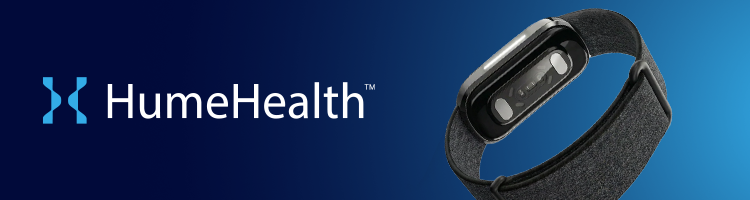
Hume Band 2.0 is a comfortable 24/7 tracker with continuous heart rate, HRV, recovery, sleep, blood pressure trends, and strain-style metrics. I placed it as the winner because of its minimal design, clear hardware specifications, and longevity-centric approach. It requires no subscription to use or access your raw data.
For free, you can access metrics like Metabolic Capacity/Momentum, and Health Score. Its recovery biomarkers are impressive, including: circadian HRV desynchronization, sleep-cardiovascular correlation, skin temperature, and respiratory rate. The company claims on its website that the device “may detect early signs of illness.”
2. WHOOP – top for athletes and recovery

| ECG/IHRN: | Yes (MG model) |
| HRV: | Yes |
| SpO₂: | Yes |
| Battery: | 5 days (WHOOP 4.0), 14+ days (WHOOP 5.0/MG) |
| Compatibility: | iOS 15+, Android 8+ |
| Subscription: | Yes (mandatory) |
| Best for: | Training and recovery analysis/coaching |
WHOOP is a screenless wearable designed for strain, recovery, and sleep coaching. It’s second because of its tiered subscription model.
WHOOP metrics include: Recovery, Sleep, and Strain scores, stress monitoring, and long-term health trends. WHOOP’s devices are meant for optimizing performance and recovery long-term. Up the tiers, it adds VO₂ max and heart rate zones, plus “Healthspan” features like WHOOP Age and Pace of Aging. Optionally, the highest tier adds an ECG and on-demand AFib detection.
3. Withings ScanWatch 2 – best for classy style and long battery life

| ECG/IHRN: | Yes |
| HRV: | Yes |
| SpO₂: | Yes |
| Battery: | Up to 35 days |
| Compatibility: | iOS 16+, Android 9+ |
| Subscription: | No |
| Best for: | Classic watch style with heart metrics |
Withings ScanWatch 2 is a niche choice – a classic-style watch with HRV tracking, on-demand ECG, and both night/spot SpO₂ – plus a battery life of up to 35 days. It has irregular rhythm notifications, and you also get nighttime temperature variation and respiratory rhythm monitoring. The SpO₂ monitoring is impressive – it can do both on-demand spot check and a nighttime average.
With the optional Withings+ subscription, there’s Cardio Check-Up – a cardiologist review – and Withings Intelligence. The Cardio Check-Up is limited to Europe and the US.
4. TROTY C60 – ideal for basic tracking with spot SpO₂
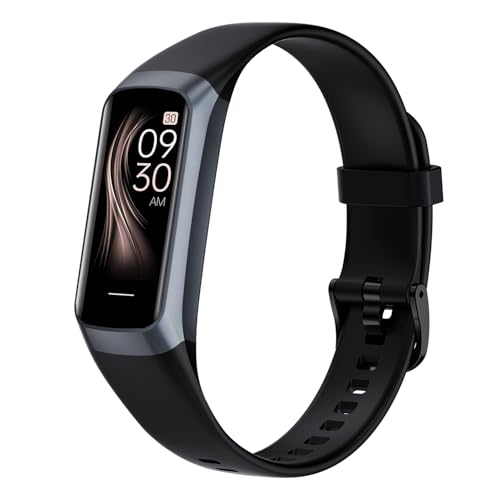
The TROTY C60 is the second-cheapest device here – offering basic metrics. The manufacturer claims 24/7 heart-rate monitoring, and blood oxygen measurement for spot checks – an impressive feature to include at this price. It also has sleep tracking with deep/light/awake sleep stages and a sleep score. It’s got a lot of common smartwatch utilities as well.
It lacks HRV tracking, recovery functions, and the specifications don’t list in-depth sensor details. This is an entry-level tracker with entry-level heart-centric features at a low price.
5. LIVIKEY LK-F1 – entry-level basic HR and sleep tracking
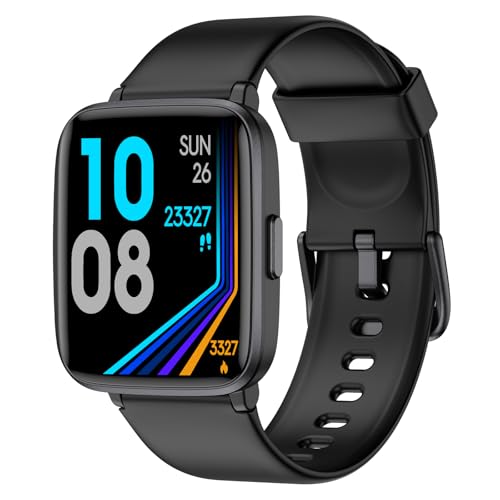
The LIVIKEY LK-F1 is the cheapest device on test – while still providing 24/7 heart rate, steps, and sleep stages. It’s in last place – but it’s still worth it at the very low price.
There are additional extras like a breathing guide, alarms, and “sedentary” alerts. It doesn’t have deep heart-centric metrics like SpO₂, HRV, or any readiness/recovery features, but it’s well-suited for general wellness – with nine sport modes including walking and running, plus steps/distance and calorie tracking. The battery lasts up to seven days, but up to 30 days on standby.
Our methodology
At Cybernews, I use a weighted scoring system that aligns with the heart-monitoring performance of these devices. Here’s how I scored these products:
- Heart-monitoring depth & tools (ECG/IHRN, HRV, resting HR trends, export) (35%): I analyzed ECG, irregular heart rhythm alerts, HR trends, and exportable data. Devices with extra-detailed documentation – particularly regarding heart features – scored higher.
- Signal quality / likely accuracy for common scenarios (rest, daily living, steady exercise) (20%): I gave extra points to solid PPG hardware and when users reported reliable tracking at rest and during movement. I carefully scored exercise performance because motion and sweat may alter wrist readings.
- App insights & clinician-friendly exports (e.g., PDF ECG) (15%): I looked for clear stress and recovery details, PDF reports, or ECG files – if supported. More intuitive trend views earned extra points.
- Battery & wear comfort (10%): Longer battery life and comfortable wear were key. I gave devices with longer battery life and softer/breathable materials extra points.
- Platform fit & requirements (e.g., brand-locked ECG apps) (10%): I assessed operating system/phone model requirements and any feature constraints that limit ECG/alerts. Wider compatibility scored higher.
- Long-term cost (subscriptions) & user feedback consistency (10%): I penalized mandatory subscriptions. I valued positive, recurring user feedback and fewer complaints.
What “heart monitoring” really means on a watch
Heart monitoring usually means two things. The first is optical PPG monitoring using light – usually infrared/green LEDs to detect blood-volume changes at the wrist – and the second is ECG.
Optical PPG allows for continuous heart rate tracking, plus long-term trends like HRV and resting HR. Optical PPG is common in consumer devices. ECG is different – it records the heart’s electrical signals via electrodes. A clinical multi-lead ECG is typically a short checkup done at a clinic/hospital.
For example, on Apple Watch, the ECG is initiated by the user. It’s a single-lead reading. You open the ECG app, rest your arms, and hold a finger on the Digital Crown. Wait for the watch to record for about 30 seconds. Apple says this can provide information about heart rate/rhythm and can classify AFib. It won’t detect all cardiac conditions.
On Garmin, the ECG App works in the same “spot-check” way. It’s only supported by some watch families. Also, there’s regulatory constraints – so it rolls out by region, and is not available everywhere.
Watches vs chest straps for heart monitoring accuracy
Wrist-based readings can be less reliable – and lag – during high-intensity movement. When heavy transpiration enters the picture, wrist readings can also falter. A loose-fitting watch can also alter readings.
As such, ECG-style chest straps can track exercise HR more since they sit close to the chest. An even better setup is combining watches and chest straps for the added smart features a watch can provide you – like steps, distance, and laps.
If you also deeply analyze your workouts and health metrics, this combination produces both better data and convenience. Essentially, the strap supplies precise workout HR data, while the watch supplies trends, insights, workout structure, and distance information.
A strap is also the perfect way to check for any potential anomalies detected by your watch – like low HR, or a spike. If you’re serious about your heart health, one of the best “consumer ways” to track and log your wellness/recovery is with a watch plus chest strap combo.
How to choose the best heart-monitoring watch
Choosing the best heart-monitoring watch means deeper knowledge of heart-centric features and compatibility. Here’s a helpful buyer checklist you can scan before buying:
- Do you need ECG or just continuous HR + HRV?: Watch ECG is for on-demand checks. HR/HRV is for long-term, continuous trends. HRV aligns with recovery/stress, while ECG is key for rhythm analysis.
- Will IHRN (background AFib alerts) be available in your region & phone ecosystem?: Depending on the country/region, this feature may not be available – even if you have the sensor. Confirm this before buying if it matters.
- Can you export/share ECG PDF with clinicians?: Some brands’ ecosystems allow you to export/share a report. Others keep this in-app. Export is a must if you’re going to discuss your results with a clinician.
- Do you prioritize battery or an always-on display?: It’s convenient to have the display on 24/7 to view metrics and notifications. However, an always-on display reduces battery life, which may introduce gaps in overnight tracking.
- Platform fit – iPhone vs Android (some ECG features are brand-locked): Some watch models may work with only one OS, or work best optimally with that OS. Optimize your watch to your phone’s OS/model.
- Subscription costs (advanced insights/paywalls): The most impressive/technical insights are usually locked behind a paywall/tier. It’s key that at least the core metrics aren’t paywalled.
- Comfort and sensor contact (fit affects readings): A loose-fitting watch, excess sweat, and intense movement degrade wrist readings. For overnighting, comfort is crucial. Pick a model that’s as comfortable as possible.
If training accuracy is critical, consider pairing with a chest strap. This is a superior combination.
Bottom line
The “best” watch depends on whether you require ECG/IHRN checks, HRV-driven readiness, exportable data, or simply steady daily heart trends. It also depends on your phone platform and region.
I’ve chosen the Hume Band 2.0 as the overall winner because it balances many heart- and longevity-centric features and everyday reliability – plus style and comfort, and a good app. I like that the company focuses on data ownership with exportable data.
WHOOP is still an excellent heart-monitoring watch for athletes, while Withings ScanWatch 2 is a classic design with irregular rhythm metrics and superior battery life. If you’re on a budget, try LIVIKEY or TROTY models.
FAQ
Are heart-monitoring watches medical devices?
No, heart-monitoring watches like the Hume Band 2.0 are consumer wellness tools that track and monitor heart rate. They do not have the regulatory approval or precision of real medical equipment.
Is ECG the same as continuous heart monitoring?
No, they are not the same. An ECG is a specific test that records the heart’s electrical activity and is often done at hospitals/clinics with a multi-lead medical machine. Continuous heart rate monitoring is long-term recording, such as with Holter monitors, or consumer devices like smartwatches.
Do I need a specific phone for ECG features?
That depends, as some ECG features may be platform-locked. Some ECG features may require an iPhone, while others may vary by model or region. Always ensure your phone is compatible and that you won’t be regionally locked.
Can I share ECG results with my doctor?
Yes, if your watch supports exporting reports. Several ECG-capable models often generate a PDF file from the app. You can save this or send it to your clinician. If sharing is important, make sure your preferred watch has data export/reporting features.