Best heart rate monitors for fitness and health
Being behind major reports like The Mother of All Breaches and RockYou2024, our in-house cybersecurity experts and journalists provide unbiased, real-world testing and in-depth analysis.
We maintain complete transparency by openly sharing our testing methodologies with our audience.
Learn more

A good workout is one that truly challenges your body. It should be intense enough to get your heart rate up and make the session effective, but not so intense that you push yourself too far. The tricky part? Knowing exactly where that balance lies.
That’s where heart rate monitors come in. These wearable devices act like personal pacing guides, showing you how hard your body is working in real time. With that insight, you can train smarter and stay within the optimal range for improving endurance, burning calories, or boosting overall fitness.
But with so many options available – from wrist and finger devices to arm bands and chest straps – choosing the right heart rate monitor can feel overwhelming. To make things easier, I teamed up with the Cybernews research team to analyze manufacturer specifications and real-world performance data to find the best heart rate monitors worth considering.
Best heart rate monitors: shortlist
- Hume Band 2.0 – overall best heart rate monitor for wellness and exercise
- RingConn Gen 2 – top-tier fitness heart rate monitor in a minimalist ring form
- Oura Ring 4 – luxurious ring-style heart monitor for exercise
- ScanWatch 2 – most stylish wrist heart rate monitor in 2026
- Oxiline Pressure XS Pro – best heart monitor for accurate at-home readings


Our team of in-house researchers, writers and editors reviews and analyzes health tech products using a research-driven approach. We gather data from multiple sources, fact-check all information, and conduct our research based on peer-reviewed studies, expert opinions, consumer ratings, and regulatory approvals.
You can learn more about how we test health tech products here.
The best heart rate monitors compared
Before I move on to the review section, let’s take a quick peek at how the top heart rate monitors stack up against one another:
| Device | Connectivity | Battery life | Water resistance | Added features | How easy is it to adjust? | Best for |
| Hume Band 2.0 | Bluetooth 5.0 | Up to 14 days | IP68 | Metabolic function and blood pressure trends tracking | 10/10 | Wellness and fitness balance |
| RingConn Gen 2 | Bluetooth 5.0 Low Power | 10–12 days | Up to 328ft | Sleep apnea detection | 2/10 | Subscription-free monitoring |
| Oura Ring 4 | Bluetooth Low Energy | 5–8 days | Up to 330ft | CVA and cardio capacity monitoring | 2/10 | Durability |
| ScanWatch 2 | Bluetooth Low Energy | Up to 30 days | 5 ATM | AI-based insights and Afib detection | 9/10 | Watch enthusiasts |
| Oxiline Pressure XS Pro | Bluetooth 5.0 Low Energy (BLE) | ~250 days (4 AAA batteries) | None | Unlimited profiles and irregular heartbeat detection | 9/10 | Accurate readings |
Limited-time offer: Get up to 45% OFF your Hume Band 2.0 with code HEALTH20
5 best heart rate monitors: our detailed list
With the key features out of the way, we’re ready to delve into the best heart rate monitors of 2026 in more detail.
1. Hume Band 2.0 – best wearable heart rate monitor for wellness
| Type | Band |
| Added features | Metabolic age, momentum, and blood pressure trend tracking |
| Price | From $249 |
| Best for | Unobtrusive, recovery-first monitoring |
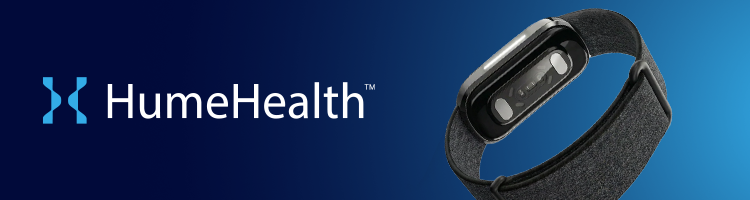
Hume Band 2.0 is a minimalist, lightweight wellness-tracking wristband with a built-in heart rate tracker and a variety of other sensors. According to Hume Health, the company behind the device, Hume Band 2.0 also tracks your sleep, recovery, metabolic momentum, metabolic capacity, and blood pressure trends over time, creating a longevity-focused recovery score based on your data.
Limited-time offer: Get up to 45% OFF your Hume Band 2.0 with code HEALTH20
2. RingConn Gen 2 – best heart monitor in terms of convenience and design
| Type | Ring |
| Added features | Sleep apnea detection |
| Best for | Subscription-free monitoring |
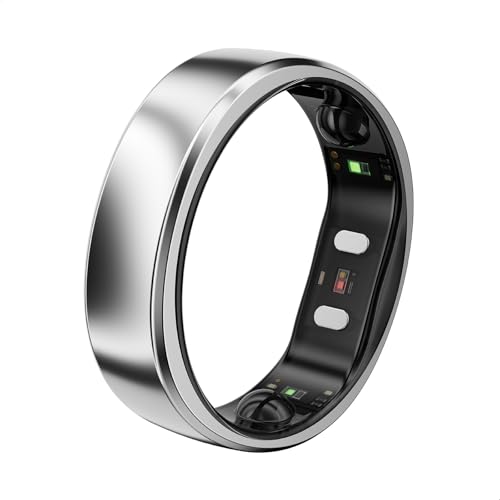
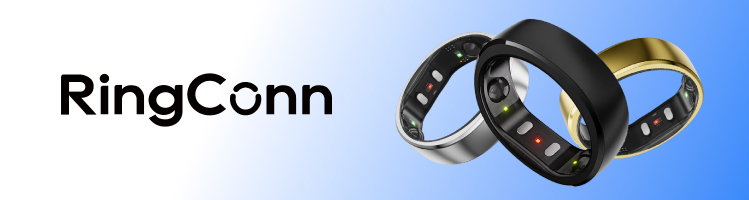
Unlike the Hume Band 2.0, RingConn’s heart rate tracker features a jewelry-like design. And while it’s very sleek and minimalist, you’re still bound to both notice and feel it on your finger. If that doesn’t bother you, RingConn Gen 2 offers 24/7 heart rate monitoring, as well as in-depth sleep, stress, activity, and cycle tracking, pushing it straight into the “one ring to rule them all” category.
3. Oura Ring 4 – most luxurious heart rate monitor in 2026
| Type | Ring |
| Added features | CVA, HRV, and SpO₂ monitoring |
| Price | From $349 |
| Best for | Durability |
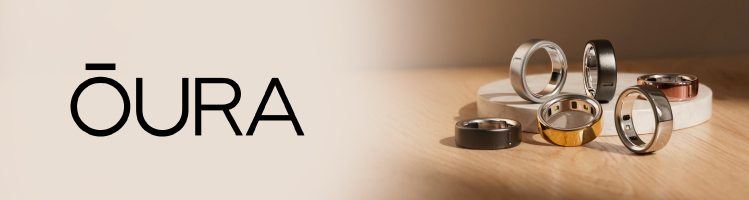
Much like RingConn, Oura also goes for that elegant look. Its all-titanium frame might cost you $50 more, but it also feels quite luxurious. Meanwhile, the 6 color options offer plenty of customization. As far as health-related tracking features go, Ring 4 monitors your heart rate 24/7 and also includes cardio capacity and HRV monitoring.
4. ScanWatch 2 – elegant wrist-worn heart rate tracker for all occasions
| Type | Watch |
| Added features | Atrial fibrillation (AFib) detection |
| Price | $369.95 |
| Best for | Watch enthusiasts |
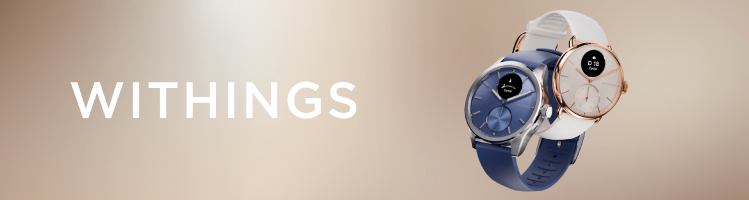
If you’re not a ring person, a heart rate monitor can also come in the form of a watch, and Withings ScanWatch 2 is the perfect example. This stylish device features a durable stainless steel case that also keeps things water-resistant down to a depth of 50 meters. Its companion app is also super easy to navigate and offers easy access to everything ScanWatch 2 monitors, including heart rate, HRV, SpO₂, ECG, sleep, activity, and cycles.
5. Oxiline Pressure XS Pro – most accurate heart rate monitor
| Type | Blood pressure machine |
| Added features | Unlimited memory and irregular heartbeat detection |
| Price | $99 |
| Best for | Reliable blood pressure readings |
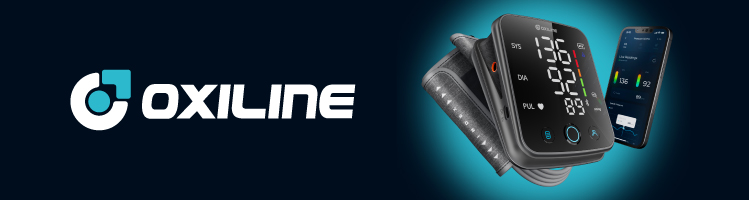
If you don’t care about 24/7 monitoring and just want an accurate heart rate tracker for an occasional reading, Oxiline Pressure XS Pro is where it’s at. This arm-based unit takes about 35 seconds to measure your heart rate and, according to the brand, also detects irregular heartbeats. Moreover, it can store an unlimited number of profiles and readings in the cloud.
Our methodology
While we didn’t personally test these devices, the Cybernews crew and I thoroughly investigated each heart rate tracker. We relied on a structured evaluation system that was based on spec sheets, verified sources, and real user feedback:
- Accuracy and technology (30%). To begin, we took a peek at the quality of the optical sensors used to determine how reliable each device’s heart rate readings are.
- Design and comfort (20%). A wearable heart rate monitor should be comfortable enough for everyday use. That’s why we also examined build quality and materials, and looked at user comments to determine how practical the device is.
- Features and app integration (20%). From there, we examined each gadget’s connectivity options and compatibility with all major wellness apps.
- Battery life (15%). 24/7 monitoring won’t do much good if the device runs out of juice after a few hours. Gadgets that offer more per charge and fast charging scored higher in our reviews.
- Price and value (15%). Last but certainly not least, we looked at price tags. From there, we gauged each device’s value based on the features it offers at that price.
What is a heart rate monitor?
Before I get into the types of devices you can find in 2026 and whether or not you even need one, I should first clarify what these are. Namely, a heart rate monitor (HRM) is any wearable device that measures your heart rate.
Whether you’re a fitness buff tracking your performance or a marathon enthusiast trying to see how you’re recovering after an endurance run, these readings provide valuable insights. They also may give you an idea of your overall cardiovascular health.
Heart rate monitors can come as standalone devices (such as the Oxiline Pressure XS Pro) or as wearable tech (smartwatches, bands, and rings). The former tend to have more accurate readings, while the latter offer 24/7 monitoring and a bunch of other tracking features.
Types of heart rate monitors
Modern heart rate trackers come in all shapes and forms, with the following types being the most common:
- Wrist-based monitors. Whether you go for a band or a watch, wrist-worn devices are among the most inconspicuous heart rate trackers out there.
- Finger or ring monitors. For those who prefer a jewelry-like look, ring-style trackers offer similar accuracy to wrist-based ones, albeit with less customization.
- Arm band monitors. Oxiline and similar wrap-around-the-arm devices excel in terms of reliability. But they don’t offer 24/7 monitoring, so they’re more of an at-home solution.
- Chest strap monitors. A heart rate tracker that goes on your chest will likely provide the most accurate readings. That said, it’s mostly used by athletes and only during workouts, as it’s not ideal for everyday wear.
Who should use a heart rate monitor?
Not everyone needs a heart rate tracker, and that’s all right. These devices have clear use case scenarios, which, in most cases, include the following groups:
- Fitness enthusiasts. Whether you’re an occasional jogger or you sometimes cycle with friends, such a gadget can let you know how effective your fitness workouts really are.
- Endurance athletes. These devices can also be valuable for high-intensity activities, including running and skiing. The same goes for hiking and climbing, where they’re instrumental during a peak ascent.
- People managing health conditions. Users trying to lose weight may also find heart rate monitors helpful. These devices potentially let you know how your body is responding to your diet and how effective your exercise is.
- Anyone interested in tracking daily activity. Even if you just want to know how you’re doing throughout the day, a heart rate tracker can be a valuable tool for gaining insight into your wellness and stress.
Potential benefits of heart rate monitors
Most wellness manufacturers tend to overstate their gadgets’ capabilities, and heart rate monitor brands are no exception. That said, these devices may, in fact, offer certain benefits:
- Improved workout efficiency. Heart rate monitors might help you find the best workout intensity for your body’s current capabilities. When you know your BPM, you can more easily stay within an optimal range, which ensures your workout is neither inefficient nor too difficult.
- Better wellness insights. In addition to heart rate, most of these devices also track your sleep, stress levels, recovery, and menstrual cycle, providing a wealth of information.
- Motivation and accountability. By constantly showing you that magical BPM number, these gadgets can work wonders to keep you on the right path. A 2023 study found that smart devices may help increase motivation through personalized goals and gamification elements.
- Early detection. HRMs may also be able to detect distinctive heart patterns. For instance, Oxiline and ScanWatch both claim they can detect irregular heartbeat, such as AFib. That said, these findings should always be taken with a grain of salt, as these are wellness devices, not medical ones.
How to choose the best heart rate monitor for your needs?
In a sea of wellness gadgets all claiming they’re the gold standard, finding a genuinely good HRM can be a challenge. That’s why I compiled a few tips that can help you do precisely that:
- Determine your fitness goals. Start by setting your goals. After all, fitness-first HRMs aren’t necessarily the best option for an occasional at-home check-up, and vice versa.
- Choose between a chest strap and a wristband/ring. Think about whether you value accuracy more than 24/7 monitoring, and pick a device accordingly.
- Consider the battery. If you go the everyday wear route, look into how long a device can go on a single charge and how quickly it’ll fill back up to 100%.
- Check app compatibility. Depending on whether you’re a Google Fit or an Apple Health user, or you belong to the Strava camp, you’ll want to go with a gadget that plays well with that particular app.
- Evaluate comfort and durability. If you’re looking into those 24/7 bands, watches, or rings, you should also consider the design and build materials to ensure you’ll be comfortable wearing the device for a long time.
- Check warranty support. Lastly, look into what the manufacturer offers in terms of warranty. If things go south and the device malfunctions, you’ll want to be covered.
ECG vs. optical heart rate monitors: what’s the difference?
When it beats, your heart creates electrical impulses. Regardless of how tiny, these signals might then be detected by electrodes, in a process called electrocardiography (ECG).
Now, when I say electrodes, you’re probably imagining those sticky patches that a nurse might put on your chest for an EKG procedure. But the truth is, electrical heart rate trackers have been using that exact method for a while now. They usually come in the form of chest-based heart rate monitors, with Oxiline being a prime example.
Meanwhile, optical heart rate trackers (PPG) rely on optical sensors, hence the name. They use a process called pulse oximetry, a non-invasive method that uses rapid light pulses to detect changes in your blood flow and thus measure your heart rate.
Final verdict: the best heart rate monitors
After compiling all the data that went into this research, I firmly believe that Hume Band 2.0 is the best overall HRM in 2026.
That said, you won’t go wrong if you choose any of the other four gadgets, either. As long as you’re selecting a heart rate monitor according to your needs, be it at-home accuracy or fitness tracking, you’ll be good to go.
Other health tech devices:
Best fitness trackers: comprehensive review by Cybernews
Best air purifier for home: top picks & buying guide
Best fitness apps to crush your goals in 2026
Best workout apps in 2026: expert picks for every fitness goal
FAQ
What’s the most accurate type of heart rate monitor?
Chest-based heart rate monitors generally offer the most accurate readings. Not only do they strap closest to the heart, but they also use ECG-based monitoring, which is usually more accurate than measuring your pulse with light.
Are wrist-based heart rate monitors reliable for intense workouts?
While smartwatch and band monitors can provide reliable heart rate readings, they’re not ideal for high-intensity interval training (HIIT). That’s because there’s generally a lot of arm movement during these activities, which can lead to inaccuracies.
How often should I replace my heart rate monitor?
As long as the device’s strap creates a snug fit, its readings should be solid. That said, a worn-out-looking strap is likely to have degraded electrodes, so it’s best to replace it when it shows signs of wear and tear.
Can heart rate monitors detect irregular heartbeats?
Potentially. Modern devices, including both wrist- and finger-worn heart rate trackers, often come with photoplethysmography (PPG) sensors that may detect AFib. However, these are wellness-first devices and shouldn’t be used for diagnosing an irregular heartbeat.
Do I need an app to use a heart rate monitor?
In most cases, yes. Although older chest strap-based devices have internal memory, most modern HRMs require you to connect to your phone. That’s especially true for screenless gadgets like the Hume Band 2.0, which have no other way to display BPM.
-
Smart Devices for Health and Wellness Applied to Tele-Exercise: An Overview of New Trends and Technologies Such as IoT and AI
Antonio Fabbrizio. 2023. Healthcare