Out-of-control Chinese rocket booster spirals towards Earth
The 11-ton Chinese rocket booster is approaching the Earth's surface. Authorities predict parts of the surviving debris may hit Eastern Europe.
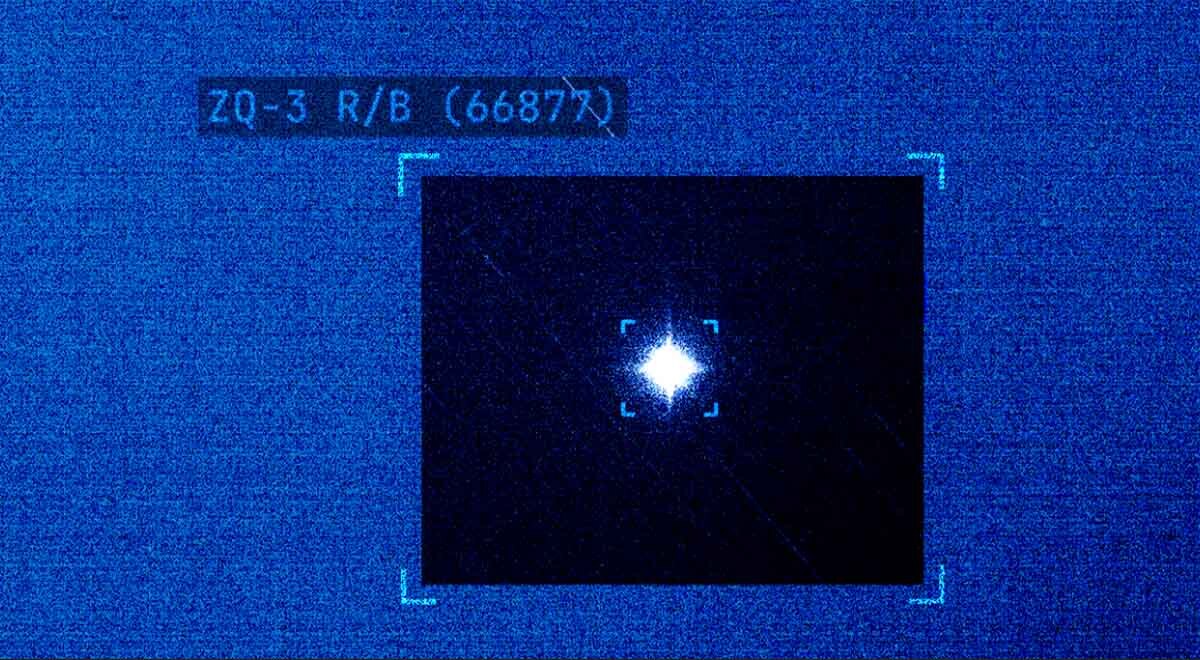
Image by Cybernews.

 Follow us
Update: US Space Force has confirmed the fiery ball of rocket debris crashed into the ocean at exactly 12:39 GMT (7:39 AM EST), approximately 1,200 miles (2,000 km) southeast of New Zealand, the Daily Mail reported on Friday.
The 11-ton Chinese rocket booster is approaching the Earth's surface. Experts don't rule out that some debris may not burn in the atmosphere.
With the trajectory of the booster of experimental rocket ZQ–3 R/B hard to predict, authorities in Lithuania, Latvia, Finland, and Denmark are closely monitoring the situation and coordinating air traffic controls, as the debris was initially projected to hit Eastern Europe on January 30th.
Earlier today, the UK government has asked mobile network providers to ensure the alert system is operational in case an alert needs to be issued, the Daily Mail reports. However, its spokesperson said it is “extremely unlikely” that any debris will enter the UK airspace.











The EU Space Surveillance and Tracking’s (EU SST) network of contributing sensors was closely following the object and estimate the re-entry window to be today at 11:20 UTC (06:20 EST).
Experts couldn't predict how much of the rocket booster would burn up in the atmosphere. However, as the booster is exceptionally large, around 12–13 meters long and weighing 11 tons, they warned parts of it may survive.
According to SST, its maiden launch reportedly included a dummy payload that could have remained attached to the second stage of the launcher. The object has been decaying since.
The uncertainty can look dramatic because even a tens-of-minutes shift in the predicted re-entry time can move the possible ground track by thousands of kilometres along the orbit.Constantinos Charalambous
Dr. Mike Peel, Research Associate in the Department of Physics, Imperial College London, said that while most re-entering debris burns up in the atmosphere, there have been recent events of debris reaching the ground.
For instance, debris from a SpaceX launch landed in Saskatchewan farmer’s field in 2024
“There’s an ever-increasing amount of rockets and satellites being launched into orbit these days, both by commercial companies and governments, which will increase the risk of similar situations arising in the future,” Peel said.
The conversation on this topic is live. Join in the discussion.
Many objects fragment and ablate heavily, but denser components can survive longer, according to Dr. Constantinos Charalambous, a research Fellow at Imperial College London.
“The uncertainty can look dramatic because even a tens-of-minutes shift in the predicted re-entry time can move the possible ground track by thousands of kilometres along the orbit,” he told Science Media Center.
The experimental rocket ZQ–3 R/B was launched from the Jiuquan Satellite Launch Center in China's Gansu Province in early December.
The rocket successfully reached orbit, but its reusable booster, modelled after the SpaceX Falcon 9, exploded during landing.
Unlock more exclusive Cybernews content on YouTube