Silicon Valley start-up inspired by rare birth defect says it’s not working on brainless “organ sacks”
And it wouldn’t want you to know if it was.
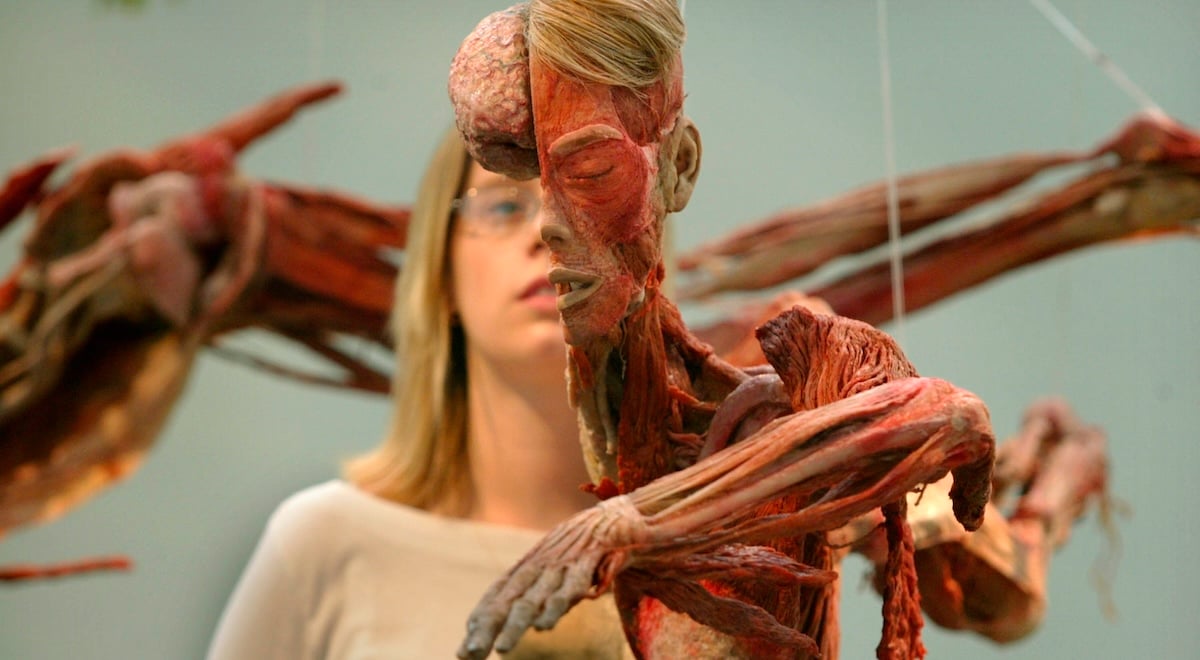
Image by Getty/Sion Touhig

 Follow us
- R3 Bio revealed plans to develop brainless human-like organ systems for testing and possible transplants.
- Co-founder Alice Gilman said on a podcast that the systems lack brains or nervous systems, so they cannot think or feel pain.
- Gilman later disputed parts of the t interview and claimed R3 Bio was a "federal asset."
- The project raises major ethical questions about animal testing, organ harvesting, transplants, and human biological research.
Key Takeaways by nexos.ai, reviewed by Cybernews staff.
R3 Bio, a secretive biohacking start-up, has made headlines for its brainless human “organ sacks” inspired by a birth defect. However, the firm promises that the media is misleading.
Once associated with altering DNA at a cellular level, biohacking has transformed into a subculture celebrated by health and fitness fanatics seeking DIY methods to longevity.
Biohackers have gone to great lengths to seek eternal youth, and will seemingly stop at nothing to achieve immortality.
One startup in particular has attracted attention for its borderline-insane methods that feel like straight sci-fi.






R3 Bio co-founder reveals “organ sacks”
R3 Bio, a cell-based research company, operated as a “stealth startup” until its cofounder and chief operating officer started talking to podcasters and the press.
Alice Gilman first revealed R3 Bio’s ambitious plans to WIRED earlier in March.
She explained the company’s plans to eventually replace lab animals with humanoid beings incapable of feeling pain.
The bodies would contain all the organs that humans and animal testing subjects have, but these meat bags would survive without a brain.



Stay updated with our latest stories and follow us on social media
Be the first to discover new stories, ideas, and updates from our team.
Without a brain, these organ systems wouldn’t technically be people, as they can’t think or feel.
In the future, companies like R3 Bio and medical institutions could develop human versions that could be used in tissue, organ, and even full-body transplants.
Journalists reported that R3 Bio was working on primate organ sacks at the time the WIRED article was published.
R3 Bio has since denied any claims that the research lab was working with monkeys.
Co-founder fights to keep Skyline Drive podcast from airing
Despite a disclaimer on the R3 Bio website describing media coverage of the company’s ambitious plans as “sensationalist,” Gilman agreed to talk to the journalist and host of the Skyline Drive biohacking podcast, Mangesh Hattikudur.

While recording, Gilman corroborated claims previously made to the press that she, along with an unknown number of employees, is developing humanoid life forms for organ harvesting, ethical testing, and transplants.
Gilman reiterated that the organ sacks aren’t “technically alive” as they’re only composed of organs and don’t have a nervous system.
The organs are housed in a biological platform for testing, which makes it easier to“map cross-organ interactions” when testing medications or products, according to Futurism.
However, Gilman didn’t want the interview released and fought to keep it hidden away, Skyline Drive told Futurism.

The podcast team reached out to fact-check the conversation when Gilman asked for the episode to be postponed and denied the claims she made during the nearly 2-hour interview.
While she didn’t deny the factual accuracy of the interview, she claimed that R3 Bio is a “federal asset,” which is why the episode couldn’t be released.
This implies that the San Francisco-based organ sack company is owned or works closely with the federal government, which sparked more curiosity as to why the government would invest in its meat sack project.
Gilman then went on to say that her statements were purely theoretical and opinion-based.
What R3 Bio doesn’t want you to know
Following the initial reveal of R3 Bio’s plans for humanoid meat sacks, MIT Technology Review published a deep dive into the company.
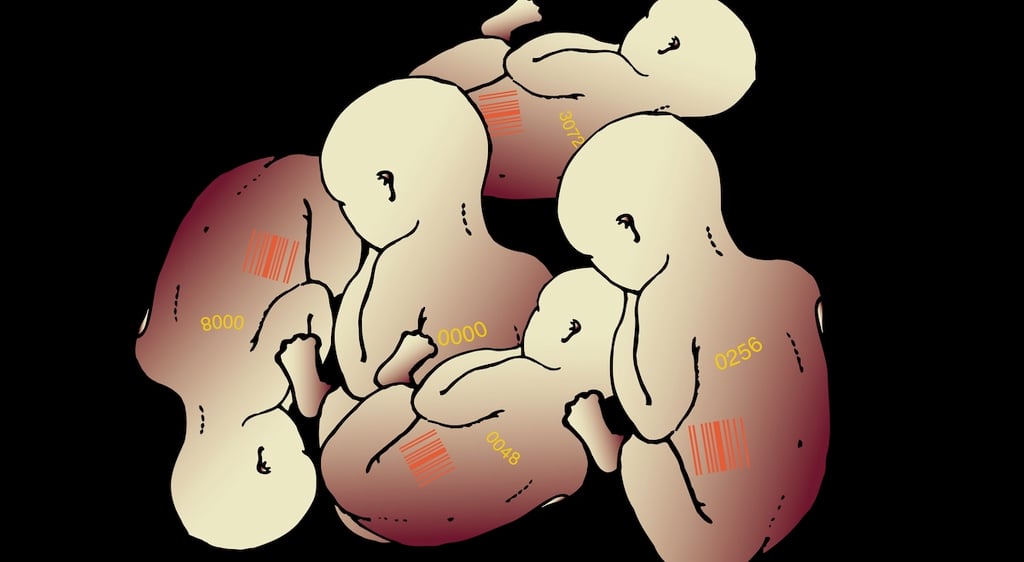
During a pitch, John Schloendorn presented his graphic vision for “brainless clones.”
These bodies would have enough of a brain to keep the organs alive if ever you needed a transplant, or better yet, you could have your brain transplanted into the clone to extend your lifespan.
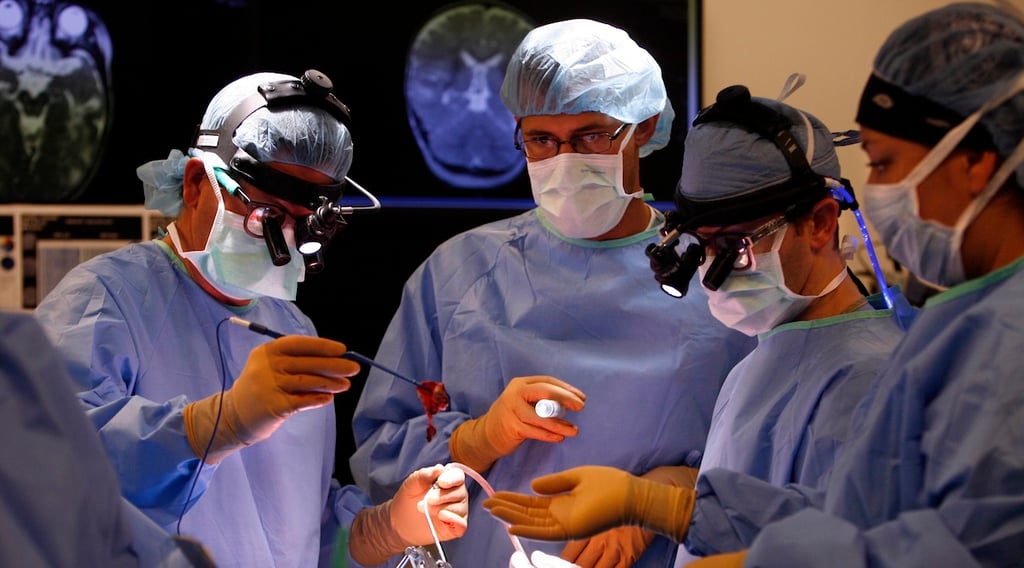
While the concept of a body transplant is purely hypothetical at this stage, Schloendorn has all bases covered, including using real women to carry these brainless beings to full term.
During the pitch, which one audience member described to the MIT Technology Review as feeling like they’d had a “close encounter of the third kind,” Schloendorn said that the first round of clones would need to be carried by a woman until they could reproduce themselves.
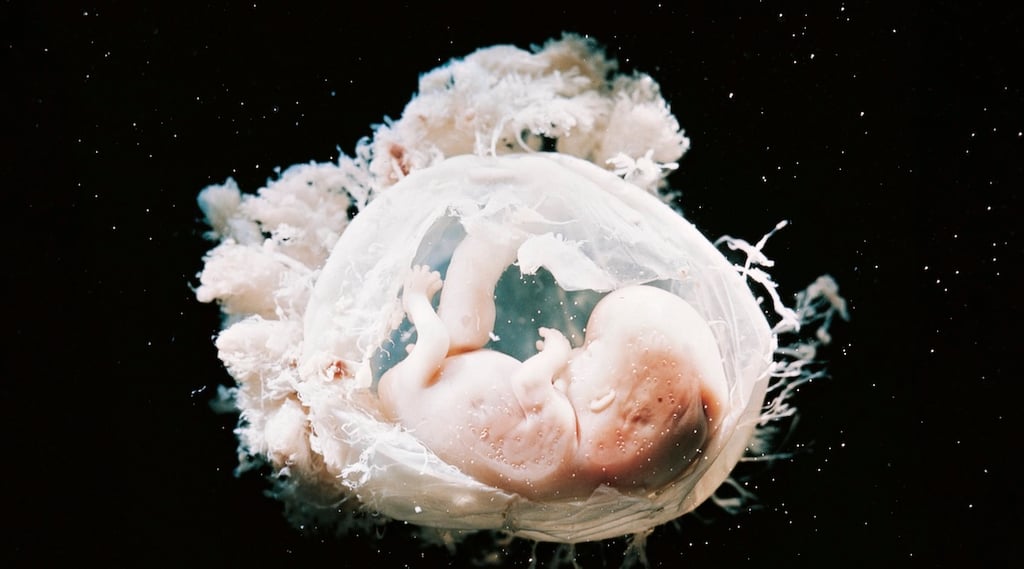
The main inspiration for these meat sacks comes from an infant birth defect in which babies are born missing most of their cortical hemispheres, which are responsible for sensory and motor functions, as well as cognitive processing.
Schloendorn has provided evidence that the body can live without a brain by showing medical scans of children’s empty skulls.