Data-Driven Surgeries Explained: The Journey to Post-op


 Follow us
In today’s surgical rooms, data analytics plays a critical role — some may even say, a decisive one. By leveraging patient data and modern analytical tools, healthcare professionals can improve each stage of the surgical process, from planning to post-operative care.
Pre-surgery: better planning
Data proves to be exceptionally valuable during pre-surgery when extensive planning and preparation take place.
How can today’s surgeons create more precise and personalized surgical plans? Thanks to insights offered by data analytics, surgeons can now analyze a range of factors, including medical history, lifestyle, genetics, and current health condition(s). This data allows doctors to carry out risk assessments that can spot potential complications during a procedure in advance, such as adverse reactions to anesthesia or the likelihood of infection. Doctors can then decide on how to proceed with surgery, having all information readily available to them.
In addition, predictive analytics offers valuable insights into how to properly adjust surgeries for individual patients. By reviewing data from similar surgeries, past results, and patient demographics, healthcare teams can develop personalized strategies that take into account the unique characteristics of each patient.
Thanks to predictive models, doctors can also estimate the duration of the surgery, determine potential complications, and establish resources needed to fully support patients in advance. Predictive models have been shown to reduce surgical delays by up to 20%, ensuring that surgical teams are adequately prepared for each procedure.
This level of preparation reduces the risk of surgical errors and ensures that all variables are considered and accounted for, yielding better results for patients.
Caresyntax’s data-driven surgery platform makes surgery safer and smarter by helping improve surgical quality, efficiency, and outcomes. You can find out more about the way it works on Caresyntax’s website.
During surgery: selecting the most optimal surgical methods

Data analytics directly helps surgeons select the most effective surgical methods and strategies for patients. By reviewing extensive datasets from previous surgeries, including techniques used and complications encountered, they can determine which surgical approach is most likely to succeed. This allows doctors to choose the most appropriate approach based on the patient's specific medical conditions and risk profile.
In addition to reviewing past surgeries, doctors can now incorporate advanced imaging data into the planning phase. Tools, such as MRI and CT scans, are used to create detailed models of the surgical site. These insights help surgeons choose minimally invasive techniques that will work well for the patient.
Platforms like Caresyntax can analyze millions of surgeries globally, helping surgeons make decisions tailored to the patient. For example, in hospitals using Caresyntax, predictive analytics has reduced pre-surgery planning errors by 15%.
In addition, data analytics ensures that surgical methods are not chosen based on best practices alone but on data-driven insights that reflect the unique circumstances of each patient.
Data analytics in minimizing human errors
Once surgery begins, data analytics continues to play a critical role through intraoperative monitoring systems. These systems use real-time data to allow surgeons to track vital characteristics, monitor surgical instruments, and assess the progress of the procedure.
Caresyntax’s real-time data integration has been credited with reducing intraoperative errors by 11%, enhancing surgical outcomes and efficiency.
Advanced sensors and monitoring devices collect data including heart rate, blood pressure, oxygen levels, and even the precise location of surgical tools. This information is then analyzed in real-time to alert the surgical team of any problems, helping prevent mistakes before they turn into complications.
Data analytics can also help with minimizing human errors by integrating machine learning algorithms that provide decision support during surgery. For example, in hospitals where artificial intelligence (AI)-assisted systems have been implemented, protocol adherence has increased by 18%, directly improving patient safety. AI-powered systems can alert surgeons if they do something that goes against standard protocols or if a patient’s critical signs show that they’re in distress. By using predictive models, these systems can identify patterns that suggest potential complications and recommend corrective actions. This enhances the precision of the surgery and acts as a safeguard against human error.
Post-surgery: recovery and outcome optimization
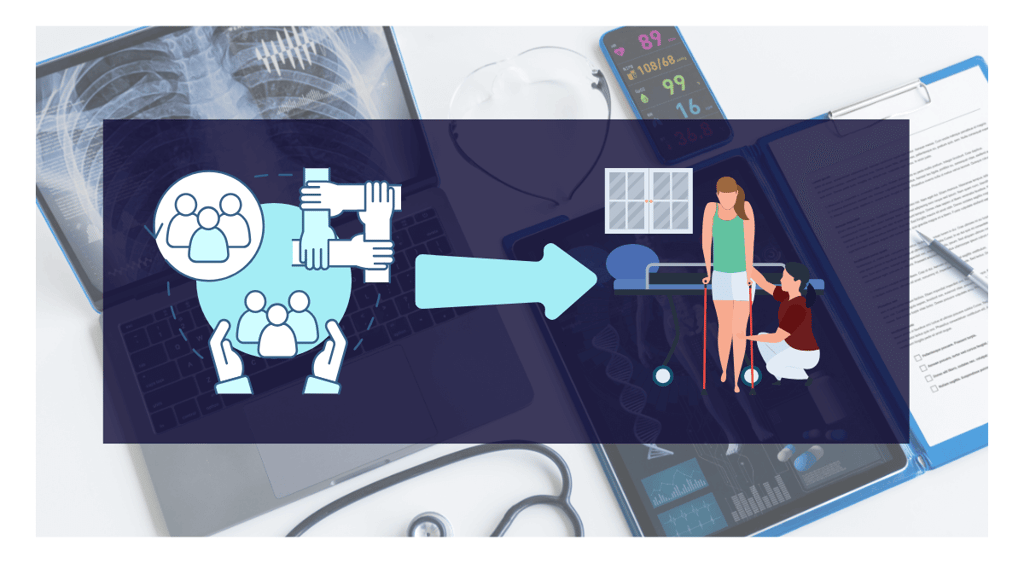
One thing health professionals commonly opt for in post-operative monitoring is data analytics. It allows clinicians to assess a patient’s immediate recovery and establish long-term trends. Following a procedure, a patient’s recovery is closely tracked through various data collection methods, including mobility progress and pain levels.
Thanks to this data, doctors get a clear picture of how well a patient is responding to treatment, making sure that any deviations from expected recovery paths are addressed. Predictive analytics can even forecast potential complications based on past trends so that medical teams can make early adjustments to treatment plans.
Remote monitoring devices have been shown to reduce hospital readmissions by 23%, enabling earlier interventions in post-op care
It is not uncommon to find wearable technology, remote monitoring devices, and electronic health records (EHRs) at hospital centers, which use them to collect patient data. By analyzing trends in their recovery, doctors can use data analytics to detect early signs of complications, such as infections or healing issues, allowing healthcare professionals to intervene when needed. Predictive analytics tools have reduced the incidence of post-surgical infections by up to 12%, as demonstrated in clinical applications of AI-driven monitoring.
Rather than applying a one-size-fits-all approach to all patients, clinicians can understand their patients better and account for their individual circumstances. For instance, doctors may use analytics to decide when a patient is ready for physical therapy. Making decisions with this level of precision that is provided by AI is likely to reduce recovery time and lower the risk of re-hospitalization.
The ultimate goal of integrating data analytics into post-surgical care is to secure better results for patients. But what can hospitals do with it? They can analyze recovery data in real-time and implement predictive models to improve patient safety. In the long term, these insights can contribute to improving surgical procedures themselves, as data from patients is typically aggregated to improve future surgeries, leading to consistently better care and reduced healthcare costs across the board.
Long-term benefits

There are many long-term benefits from the integration of data analytics into surgery, such as:
- Creating feedback circles that allow healthcare providers to learn from every surgical procedure. These feedback circles ensure that best practices evolve over time, leading to better patient outcomes and higher standards of care. Caresyntax’s collaboration with hospitals globally has resulted in a 10% year-over-year improvement in surgical outcomes, as data feedback loops refine techniques and decision-making processes.
- Helping hospitals identify patterns, later used for performance improvement, and adjust surgical techniques accordingly.
Data from past surgeries plays a critical role in helping a doctor decide how to act in the future. For example, a hospital that consistently tracks how patients are doing after surgery can identify which techniques lead to faster recovery with fewer complications. This then turns into a continuous improvement cycle, which dictates the level of care received by patients, making surgeries more efficient and cost-effective in the long run.
Aggregating data to improve hospital practices
How can surgeons gain even more insight into surgeries and patient well-being? By aggregating data from multiple surgeries across various hospitals and healthcare systems.
By looking at trends seen in different hospitals, both doctors and healthcare providers can make better decisions on resource allocation, staff training, and even policy reforms.
For example, if data reveals that certain procedures consistently result in better outcomes when performed using a specific technique, hospital administrators can implement that technique as a standard practice. And voilà — patients can now enjoy better results with the same investments!
Collaborative data-sharing across institutions also helps with that. When hospitals and healthcare providers share anonymized data with one another, it creates a larger dataset that can be analyzed for trends. This collaboration helps identify best practices and address challenges. Moreover, it fosters a culture of continuous learning and improvement in the medical field, as institutions also share knowledge with one another and benefit from data shared with them.
Role of big data and AI in advancing surgical standards globally
Big data and artificial intelligence are the new ultimate tools in the surgical world. They allow for deeper analysis and more accurate predictions. Now, of course, AI is not perfect, but AI-driven algorithms can analyze massive datasets far more efficiently than human researchers, finding trends and correlations that might otherwise go unnoticed.
For example, AI can predict patient risk factors or identify early signs of surgical complications, thus, to put it simply, saving lives. If anything, AI should be praised for its capacity to process and interpret large volumes of data, which allows doctors to create personalized surgical strategies, tailored to each patient's specific needs.
On a global scale, big data and AI can lead to the standardization of surgical practices, allowing doctors to identify techniques and protocols that consistently lead to the best results. By sharing these insights internationally, countries and healthcare systems can align their standards with proven, data-backed methods,
Caresyntax’s Connected Surgery program in partnership with APHP in Paris has already showcased how integrating big data and AI can reduce adverse surgical events by 9%.
What does this mean for the future? Going forward, AI and big data are expected to play an even greater role in advancing surgical innovation, from robotic-assisted procedures to predictive analytics that anticipate patient needs in advance. Industry trends predict a 40% increase in AI adoption in surgical environments by 2030, with significant impacts on reducing costs and improving outcomes globally.
Together, these technologies are pushing the boundaries of what is possible in surgery, creating a more data-driven and patient-centered approach to healthcare.
However, it is important to remember that AI is not yet capable of doing everything. It might eventually run into storage capacity issues or simply lack high-quality available data. Additionally, that data might get distorted, unequally serving different demographics because of them being underrepresented in the data sets. This would breed more healthcare inequality in the long run, widening the gap between demographics.
Therefore, as with everything, it is important to address and treat AI advancements with care, paying close attention to their development.