“I was tired of being tracked:” French dad’s “de-Googled” Android alternative OS nears 80,000 users
/e/OS, a privacy-focused mobile operating system created by an open source advocate and former Linux Mandrake founder is drawing steady interest from users looking to reduce their reliance on big tech ecosystems.
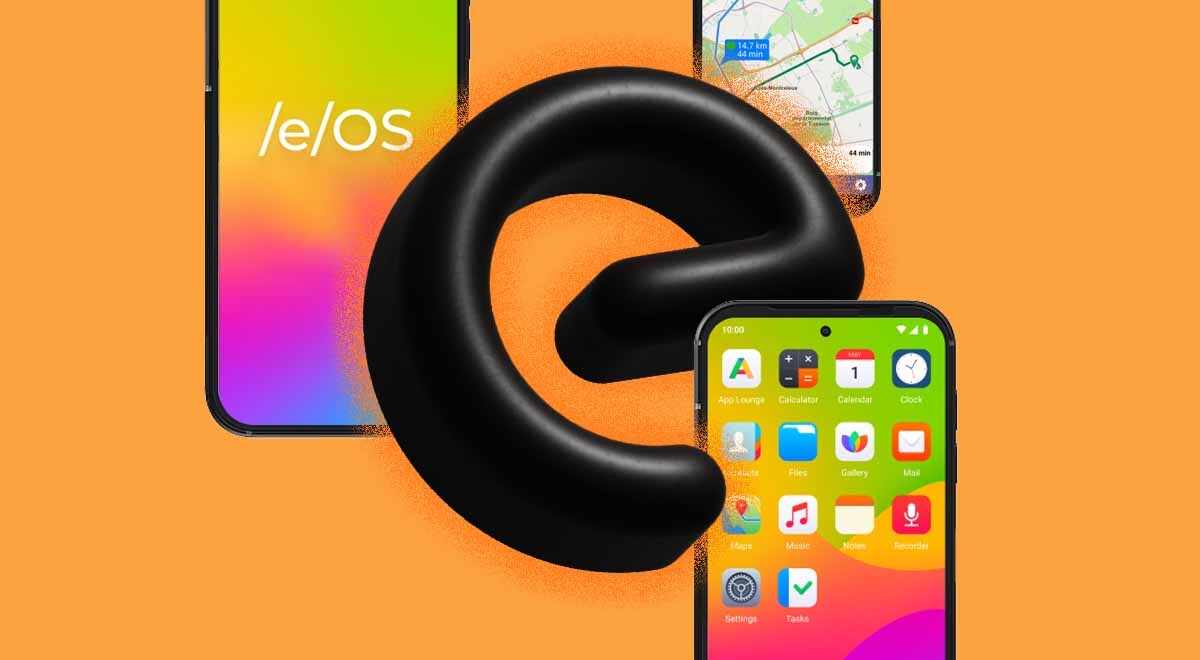
Image by Cybernews

 Follow us
/e/OS, a privacy-focused mobile operating system created by an open source advocate and former Linux Mandrake founder, is drawing steady interest from users looking to reduce their reliance on big tech ecosystems.
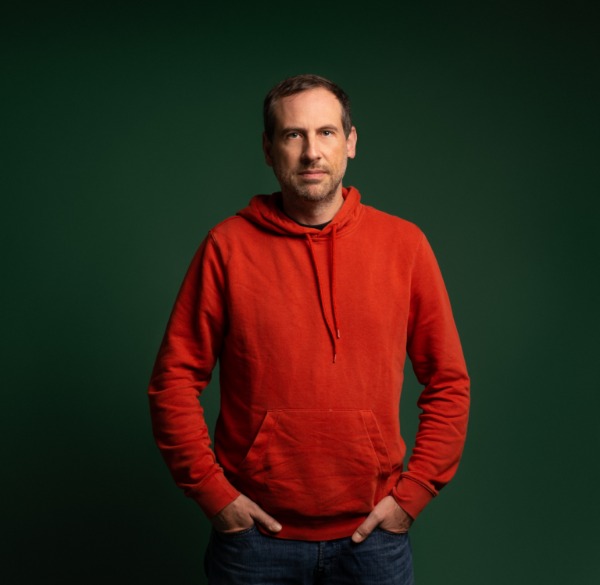
The OS software, /e/OS, created by Gallic entrepreneur Gaël Duval, has now gained more than 75,000 users spread across Europe, the US, and Asia who are all looking for alternatives to Google Android and big tech ecosystems.
Some use the term “de-Googling,” the process of reducing or eliminating reliance on Google products and services to increase personal digital privacy, security, and independence from data surveillance.






While switching to iOS may provide more privacy than a standard Google-driven Android, privacy advocates argue that it is still a "walled garden" that collects user data and relies on Apple's services.



“Children have the right to privacy”
Duval, who developed a user-friendly Linux distribution called Mandriva Linux (formerly Mandrake Linux) in the 90s, said his motivation for the software came from a gradual unease with how smartphones had evolved.
He adds that, while there wasn’t one single incident that sparked his project, “over time, it became clear that mainstream digital services – especially on mobile – were no longer designed primarily to serve users, but to extract as much data as possible from them.”
For Duval, smartphones have become essential infrastructure, storing communications, financial data, location histories, and daily routines. Yet using them often means accepting constant data collection by default.
Have thoughts about this topic? Others do, too. Join them in the discussion.
“At some point, it became clear to me that ‘this is how things are’ was not a valid answer,” he told Cybernews over email. "If technology is essential, then it must be compatible with fundamental rights like privacy and autonomy."
His concerns were shaped partly by parenthood. Watching his children grow up surrounded by connected devices made the issue feel less abstract and more long-term.
“Children accumulate a digital footprint before they even understand what that means. Developers, parents, and educators have a responsibility to ensure technology supports them rather than exploiting their data.”
A new operating system for mobile
The result was /e/OS, an Android-based operating system designed to run without Google services and claims to limit how much personal information is shared by default.
The system replaces key Google Infrastructure with open-source alternatives and anonymizes some connections required for app compatibility.
From a user perspective, this includes downloading apps without a Google account, monitoring which apps are tracking data such as location or activity, and adjusting permissions more easily.
Duval claims that the operating system is also designed to support devices for longer than typical Android software lifecycles, extending the usable life of older phones.
“The first problem we wanted to solve was the lack of privacy in commercial smartphones,” Duval said.
“Users have very limited visibility over what is happening behind the scenes.”
The challenges involved in “de-googling” Android
Removing Google’s services while keeping phones usable provides one of the project's most complex challenges. Many Android apps depend on those services for notifications, authentication, and location features.
“The challenge was to replace or emulate those services in a way that preserves compatibility without reproducing the same tracking mechanisms,” he said.
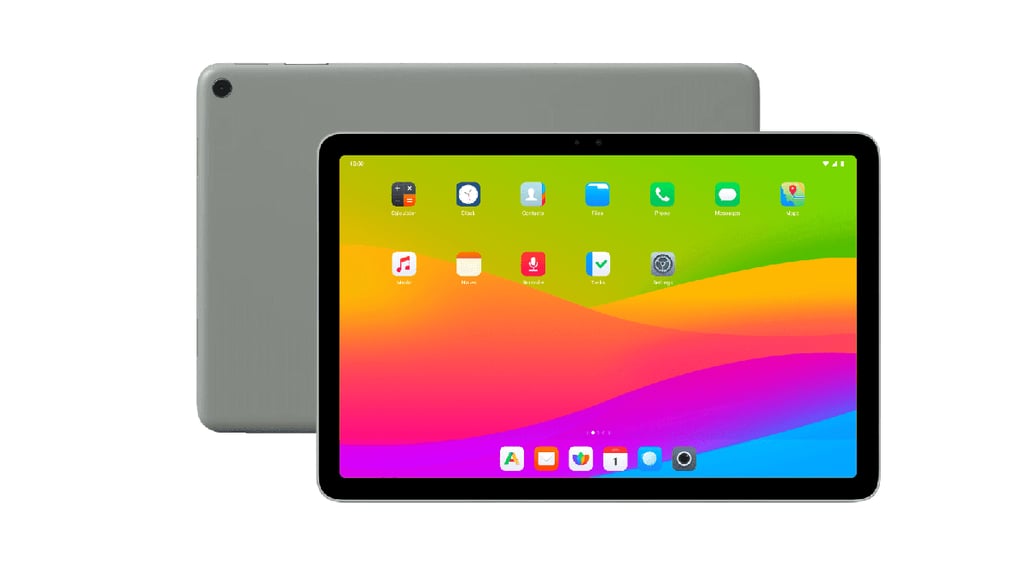
There are still trade-offs. Some apps – particularly banking services – have historically struggled to function on privacy-focused systems, although Duval said compatibility has improved and claims most now work on /e/OS.
The project has also expanded beyond a developer-led initiative. Duval founded Murena several years ago to sell smartphones and tablets with /e/OS preinstalled, alongside subscription services including device management tools, cloud workspace software, and a mobile connectivity offering.
The aim, he said, is to make privacy-focused technology accessible to non-technical users rather than limiting it to enthusiasts.
“Experts already have ways to protect themselves. Most people can’t and should not have to. Privacy should not be a privilege reserved for the technically skilled.”Gaël Duval, /e/OS and Murena CEO
While /e/OS remains small compared to the global dominance of Apple and Google, Duval believes that its growth reflects a broader shift in how users think about personal data, particularly as concerns about tracking and platform power continue to rise.
He argues the implications extend beyond advertising.
“When massive amounts of data are collected behind proprietary systems, there is no meaningful way to verify how that data is used,” he said.
“At this scale, data can influence behavior, social affairs, and democratic processes.”
He concludes that the project remains rooted in a simple principle.
“Privacy is not about having something to hide – it’s about control. People deserve technology that works for them, not against them.
Unlock exclusive Cybernews content on YouTube.